Examining Democratic Erosion: Can the United States Learn From Germany?

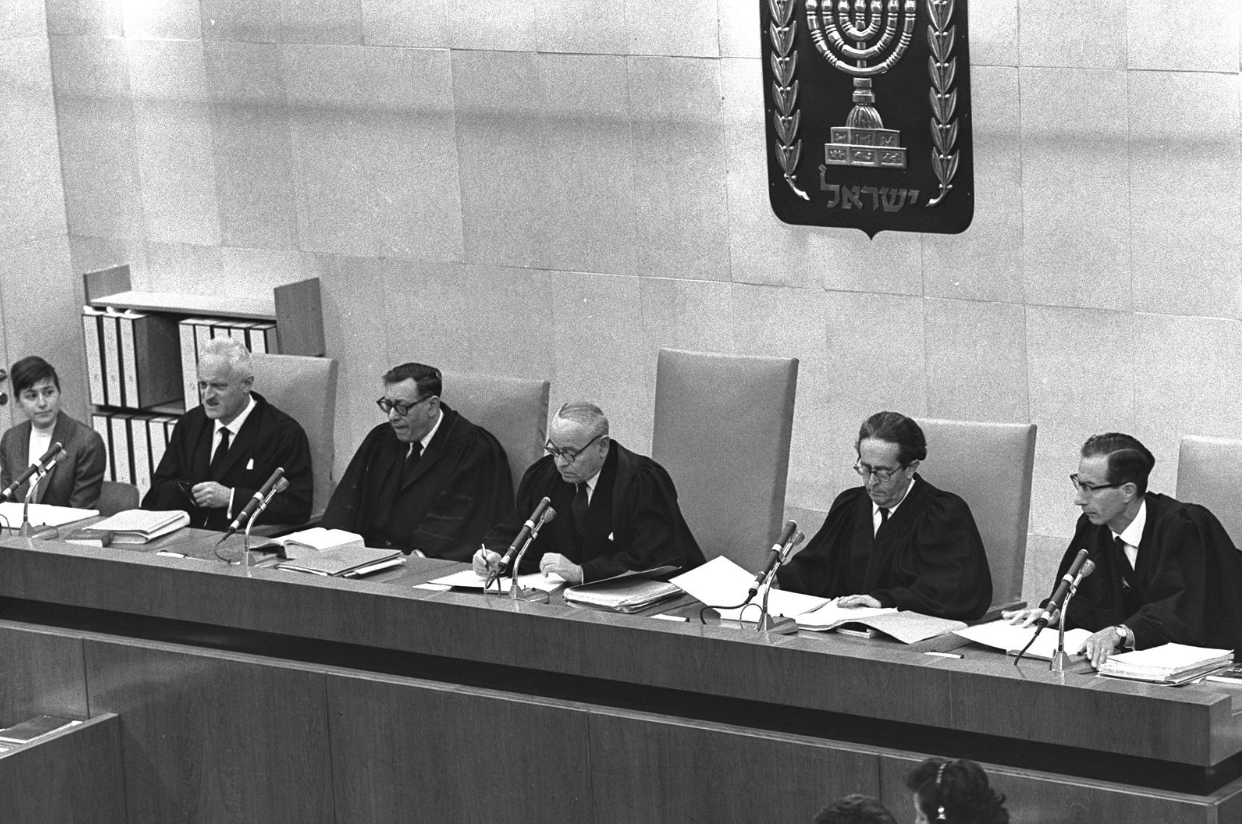
Democratic collapse is not always sudden. While a coup d’état is a clear break, democracies can be subtly dismantled through processes that erode their foundational elements. Citizens often fail to recognize a state’s descent into fascism—a political movement defined by militarism and the suppression of individual rights—until they have lost the democratic power to counter it.

Posted On :
Category:

‘Civil’ Discourse as ‘Civic’ Discourse: Problematizing Neutrality

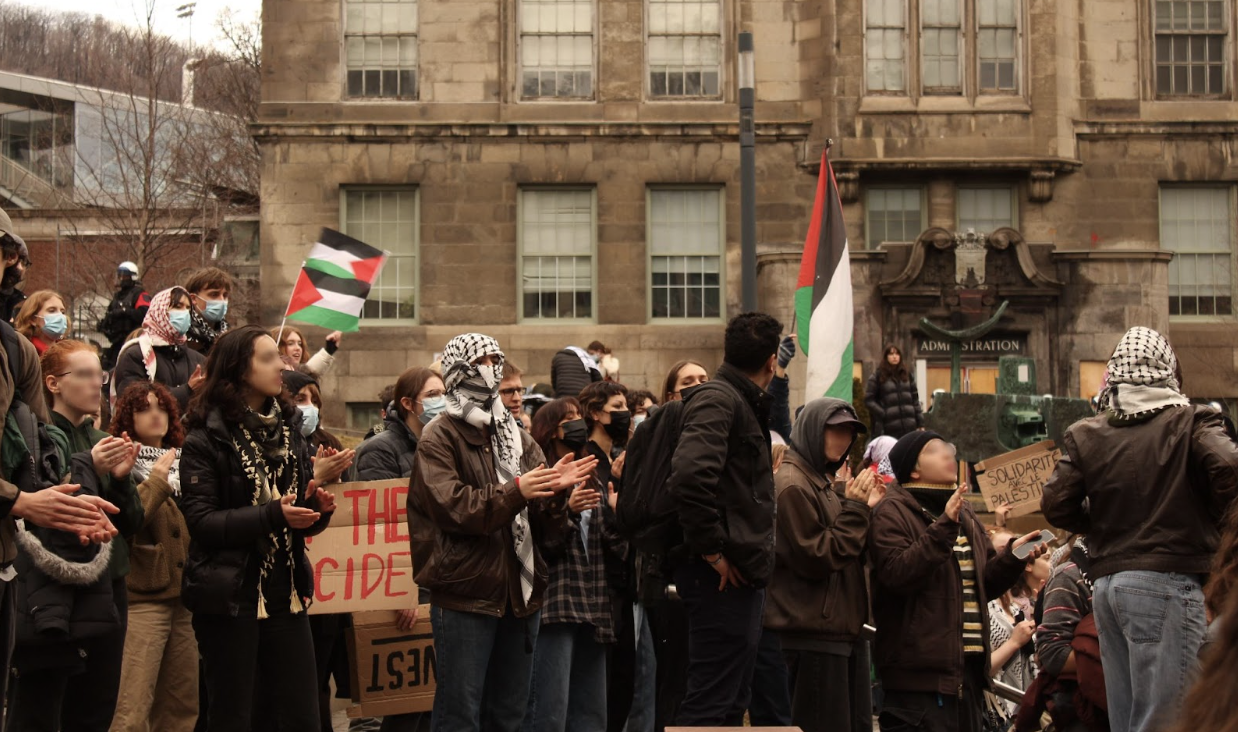
It might seem that the forum for civil discourse has to be neutral for this discourse to occur. In fact, an adherence to neutrality often stifles constructive political discourse. At McGill, administrative appeals to neutrality amid Palestine protests reveal how “civility” and neutrality mask exclusion and suppress dissent. Drawing on theorists Iris Marion Young and Chantal Mouffe, this article argues that true civic/civil discourse demands not politeness but inclusive political communication—an open, sometimes uncomfortable, engagement with difference.

Posted On :

The American Facade: Analyzing Legitimacy Issues in Donald Trump’s Clash with Venezuela

On Friday, October 24, the Pentagon announced the deployment of the USS Gerald R. Ford, one of the United States’ premier aircraft carriers, to the Caribbean Sea. This decision followed a recent uptick in Donald Trump’s battle against drug traffickers and cartels, with the U.S. conducting a series of airstrikes on boats in the Caribbean and pledging to expand operations onto Latin American soil.

Posted On :
Category:

PM Carney’s Plan to Combat Crime

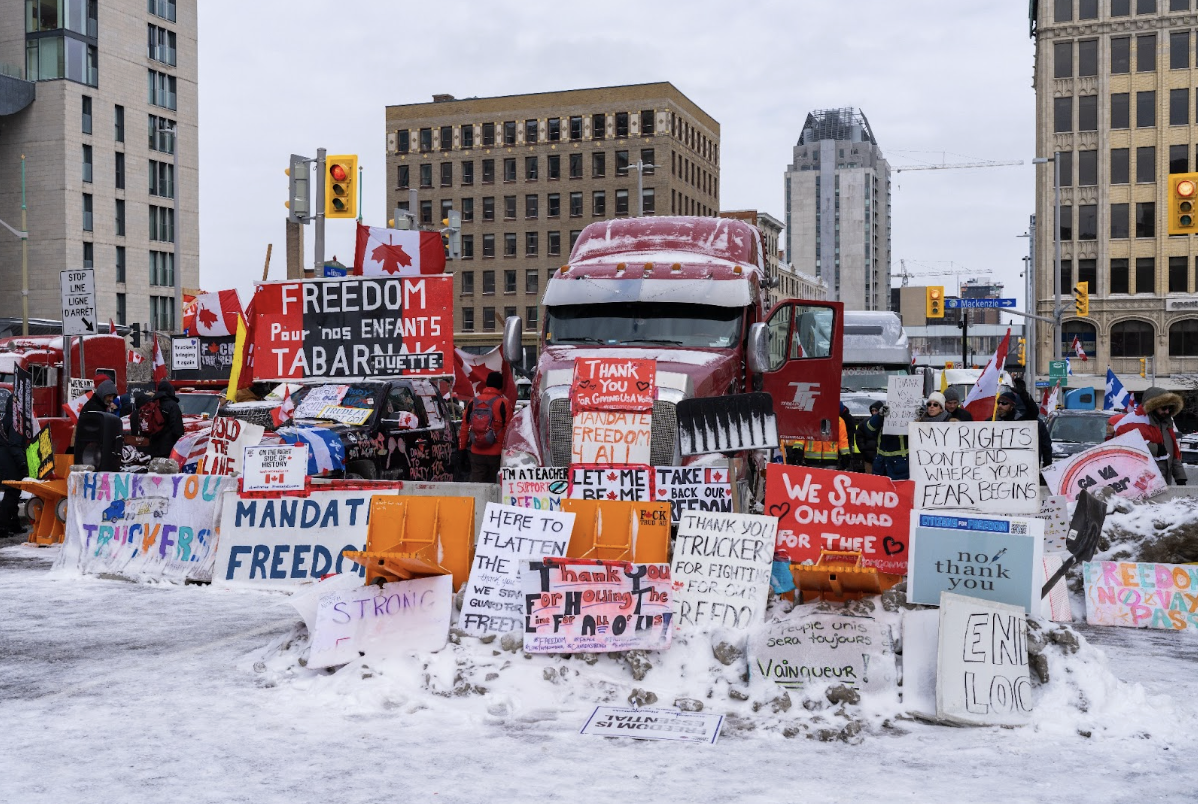
The criminal legislation of Prime Minister Carney’s (Nepean, ON) government intends to bolster the Criminal Code, with a slew of measures. This essay will focus on two key areas, namely: bail reform and consecutive sentencing. In addition, a case study will demonstrate how an old provision tabled by the Harper government aimed to enshrine consecutive sentencing into law, but was struck down by the Supreme Court of Canada. Lastly, this article will aim to explore the possible legal challenges that may arise, most specifically in regards to the presumption of innocence and charter rights, federal-provincial relations, and political as opposed to evidence-based legal justification.

Posted On :
Category:

Deconstructing Internal Trade Barriers: Can Provincial Governments Cooperate Effectively?

As Canada looks toward strengthening its economy in the wake of a decisive American tariff regime, the federal and provincial governments have turned their focus to removing barriers that impede domestic trade. This article will explore the barriers that exist, what can be done to remove them, and what effective provincial cooperation might look like.

Posted On :

Tunisia’s Autocratic Turn: A Putin-like Case of Economics and Authoritarianism

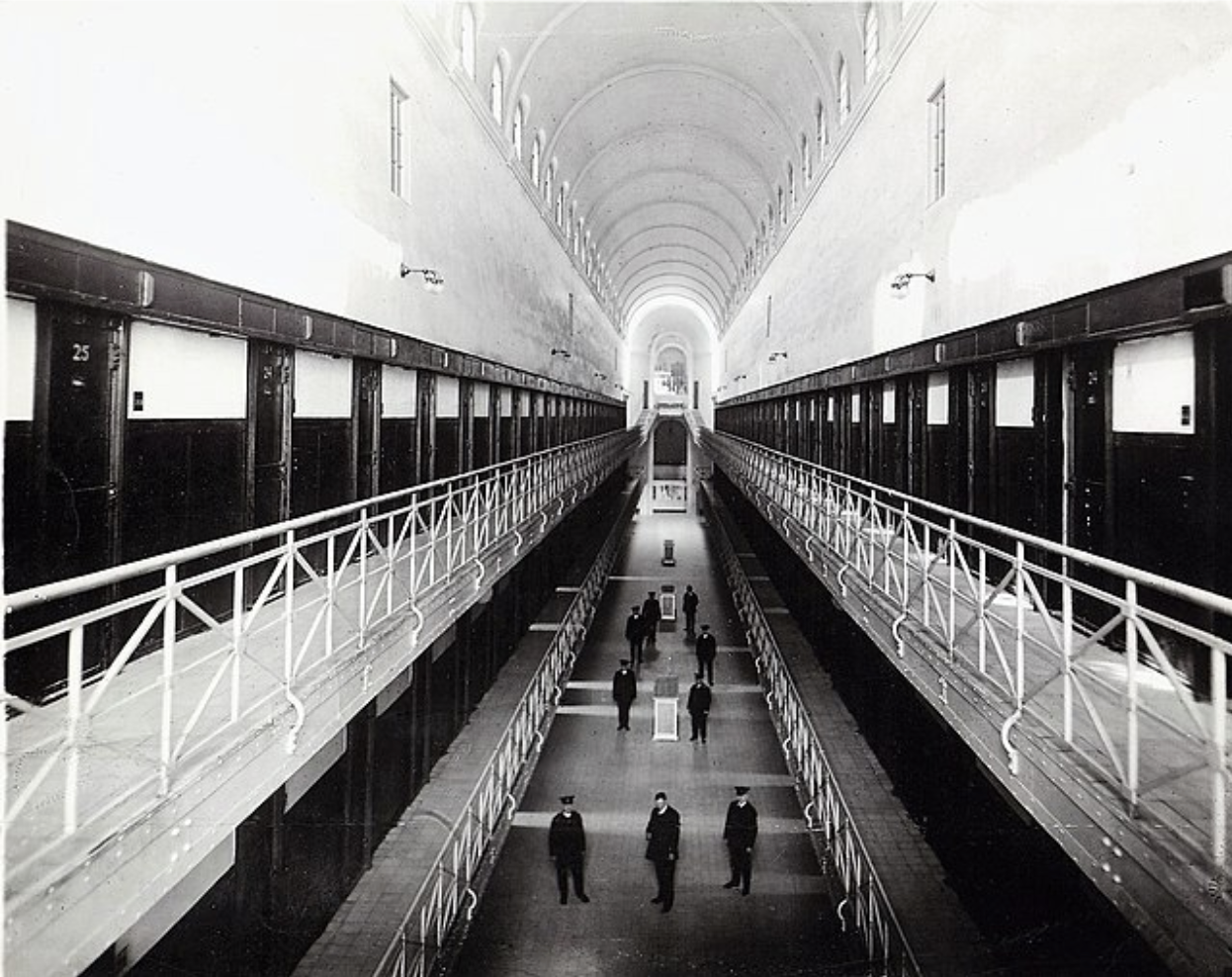
Tunisia, a nation heralded as the one true success story of the 2011 Arab Spring movement that saw pro-democracy protests erupt across the Middle East, has slid back to autocracy in recent years under President Kais Saied. Despite the sudden end of democratic freedoms, this transition has not been met with universal opposition. The public disaffiliation with democracy in Tunisia shows the importance of economic success in maintaining democratic values, and, along with other instances of democratic backsliding, can be studied to understand how democracy can persist despite economic shortcomings.

Posted On :