What Does “Immigration” Mean? Spain and the Launching of a (counter)Hegemonic Operation

An article by Anyue Zhang that interprets the battle over immigration through the lens of political theorist Ernesto Laclau. By understanding political struggles as hegemonic operations—efforts to fix the meaning of an idea itself—we can become more conscious of what really unites a movement, and in turn, what delineates it from others.


Posted On :

Chile’s President-elect Kast and the Populism to Fascism Pipeline

In late 2025, Chile elected right-wing candidate Jose Antonio Kast as their next president. Mr. Kast has a history of glorifying Chile’s former dictator, Augusto Pinochet, and his attitude towards Pinochet’s legacy suggests a dictatorial vision for Chile’s political future. Looking deeper into Chilean history, this attitude becomes more troubling, as Pinochet’s dictatorship has strong ties to former Nazis who fled to South America post-World War II, including Mr. Kast’s father. Mr. Kast’s rhetoric illustrates how right-wing nationalism and appealing to violent law-and-order regimes becomes fascism apologism and can set off the potential return of authoritarianism to Chile.

Posted On :

The Governance of Internet Shutdowns

Amid a global rise in internet shutdowns, governments are using digital blackouts as tools of political control. This article compares India and Myanmar to show how legal oversight shapes the scope and duration of shutdowns, producing targeted disruptions in some contexts and sweeping blackouts in others. The analysis reveals that legal constraints matter not because they prevent shutdowns, but because they structure how power is exercised in a digital landscape.

Posted On :
Category:

Resurgent Separatism in Alberta Conservatism: A Threat to The Future of the UCP?

Since the beginning of Alberta Premier Danielle Smith’s term, conversations about Alberta’s role in confederation have come to the forefront of the political discussion. These conversations have been fueled by separatist activists but also by the provincial government itself, which has recently started championing unpopular sovereigntist policy. It is worth asking why the United Conservative Party is so adamant about increased Alberta sovereignty and how it might affect their base of support into the future.

Posted On :

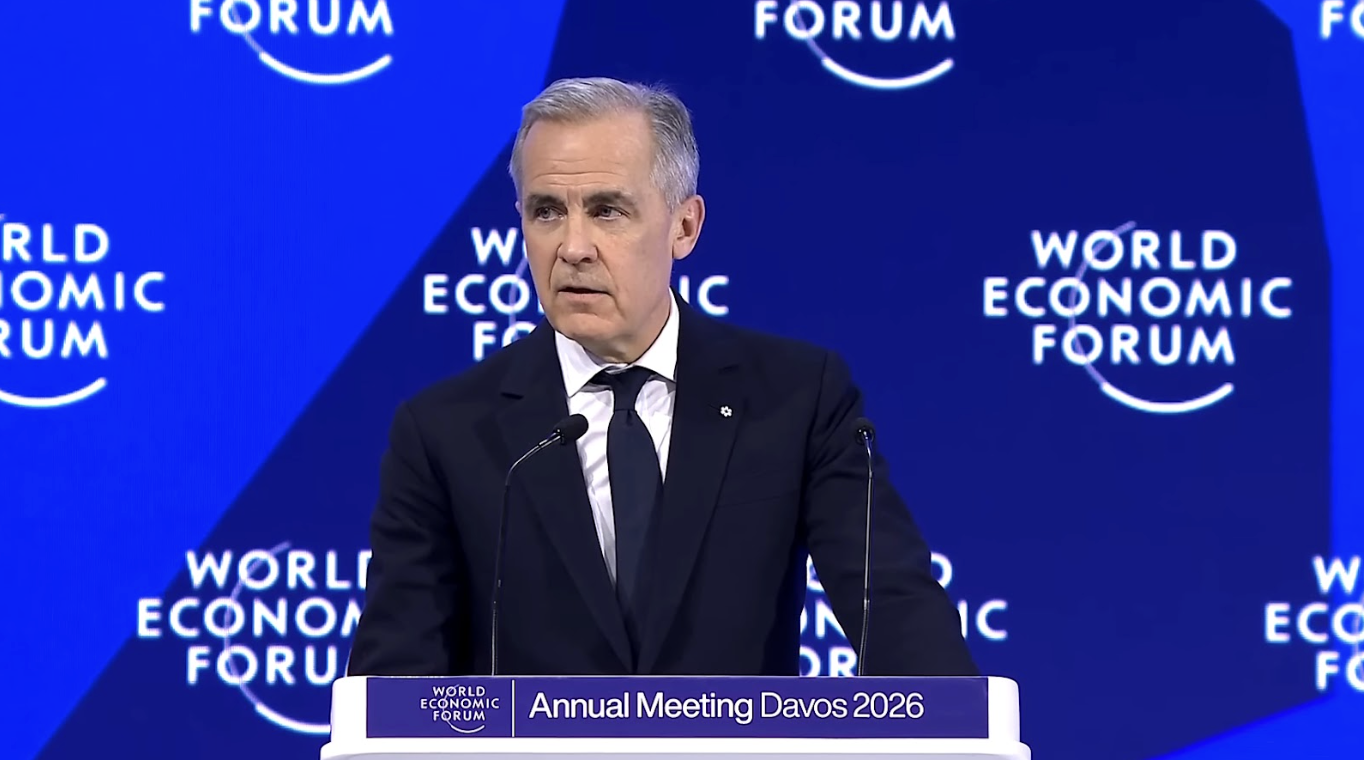
“Living Within a Lie”: Canada’s Reconfiguration of Middle Power Rhetoric

Mark Carney’s 2026 Davos speech unsettled established expectations about Canada’s place in the international system, abandoning the language of rules-based international order and reframing how the country positions itself on a global scale. However, this event brings about a familiar question in Canadian foreign policy: can rhetorical honesty produce genuine change, or will it simply renew the practice of performative sovereignty?

Posted On :