China’s Strategy and the Fragile Taiwan Status Quo
Rising tensions in the Taiwan Strait reflect a deeply entrenched rivalry whose fragile equilibrium is now increasingly under strain.
Getting the Insight Out

Rising tensions in the Taiwan Strait reflect a deeply entrenched rivalry whose fragile equilibrium is now increasingly under strain.

Over the past few decades, changes to technology and the business models of news media companies have had a profound impact on the distribution of information in Canada. These changes More

An article that analyzes the re-
emergence of territorial imperialism by great-power
states as a political strategy, focusing both on the ways
in which middle-power states like Canada and Colombia
might respond to this strategy, as well as the varying
domestic factors within these middle-power states that
will drive their respective responses.

With President Trump’s recent interest in procuring Greenland from Denmark, regional dominance seems more important to the U.S. than ever. This article will explore the economic and strategic implications of a potential American acquisition of Greenland, the accuracy of claims that the acquisition of Greenland is imperative to national security, and Greenland’s place in President Trump’s grander strategy of expansionism. Is the move truly for defense interests, or a facade for financial gain, and how will Denmark and other U.S. allies react to potentially aggressive actions by the Trump administration to take Greenland?

On January 16, 2026, PM Mark Carney (Nepean, Ont.) reached an agreement-in-principle with The People’s Republic of China. This strategic partnership has been successful in reducing import duties on Canadian canola products, but has had some opposition from Ontario Premier Doug Ford, as tariffs on electric vehicles (EVs) made in China will be reduced. However, this article argues that China may not present as big a threat to Ontario as is portrayed by Mr. Ford.

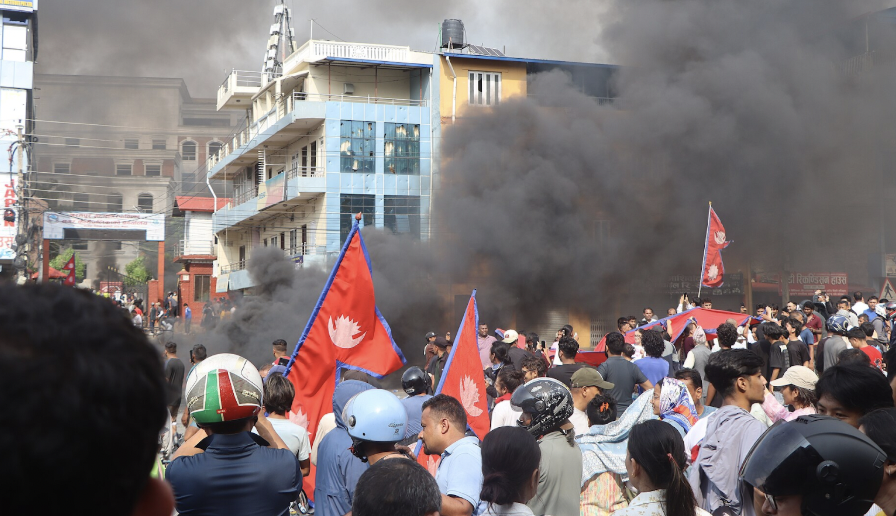
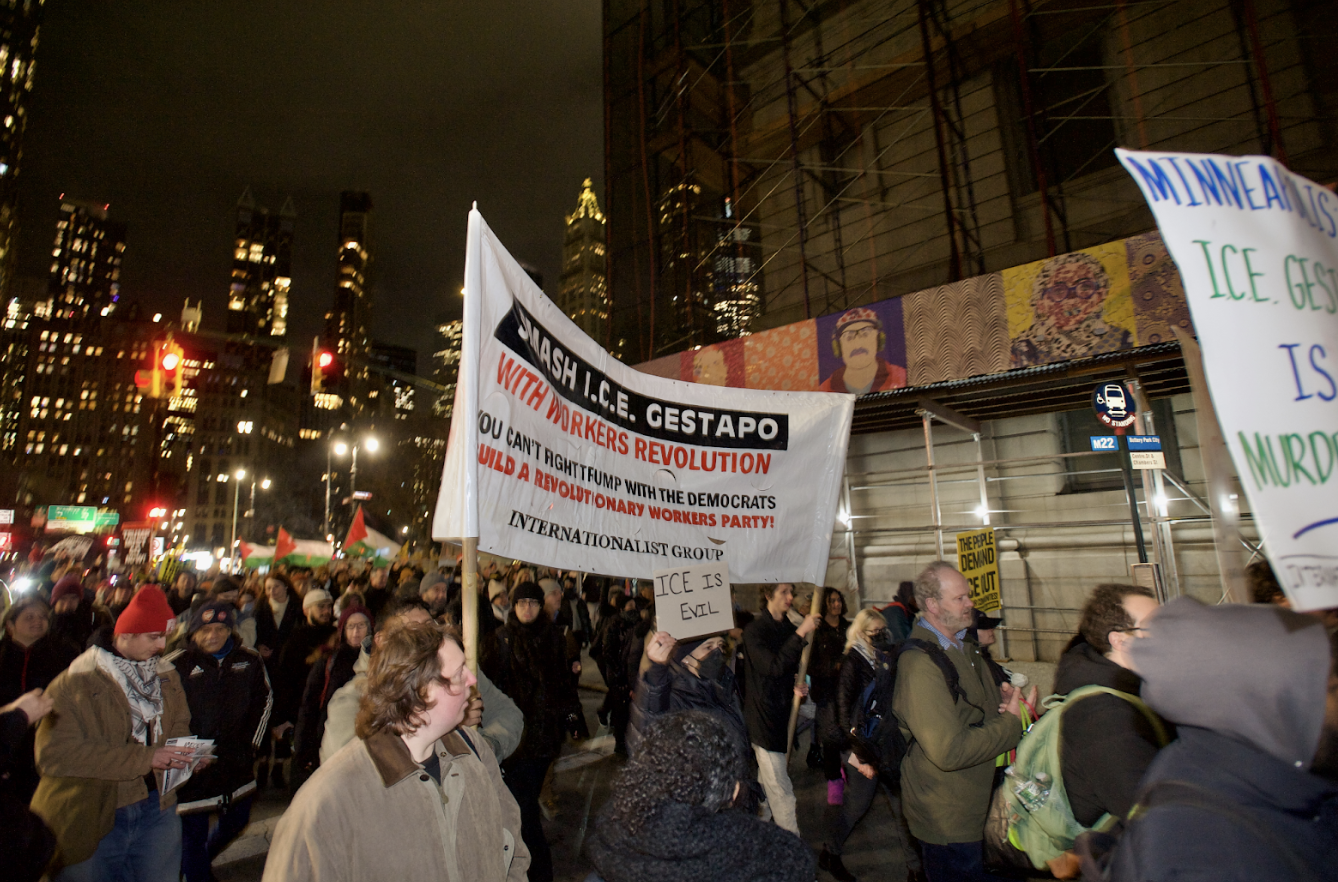
As Iran’s deadly anti-government protests persist, the threat of U.S. military intervention continues to loom. Yet external force is more likely to entrench authoritarian control through securitization or to produce regime collapse without institutional replacement. In addition, Iran’s asymmetric deterrence strategy and extensive proxy network make escalation difficult to contain, raising the risk of regional spillover. In this view, intervention would militarize Iran’s domestic legitimacy crisis and export instability across the Middle East without resolving the underlying political breakdown.