“Living Within a Lie”: Canada’s Reconfiguration of Middle Power Rhetoric

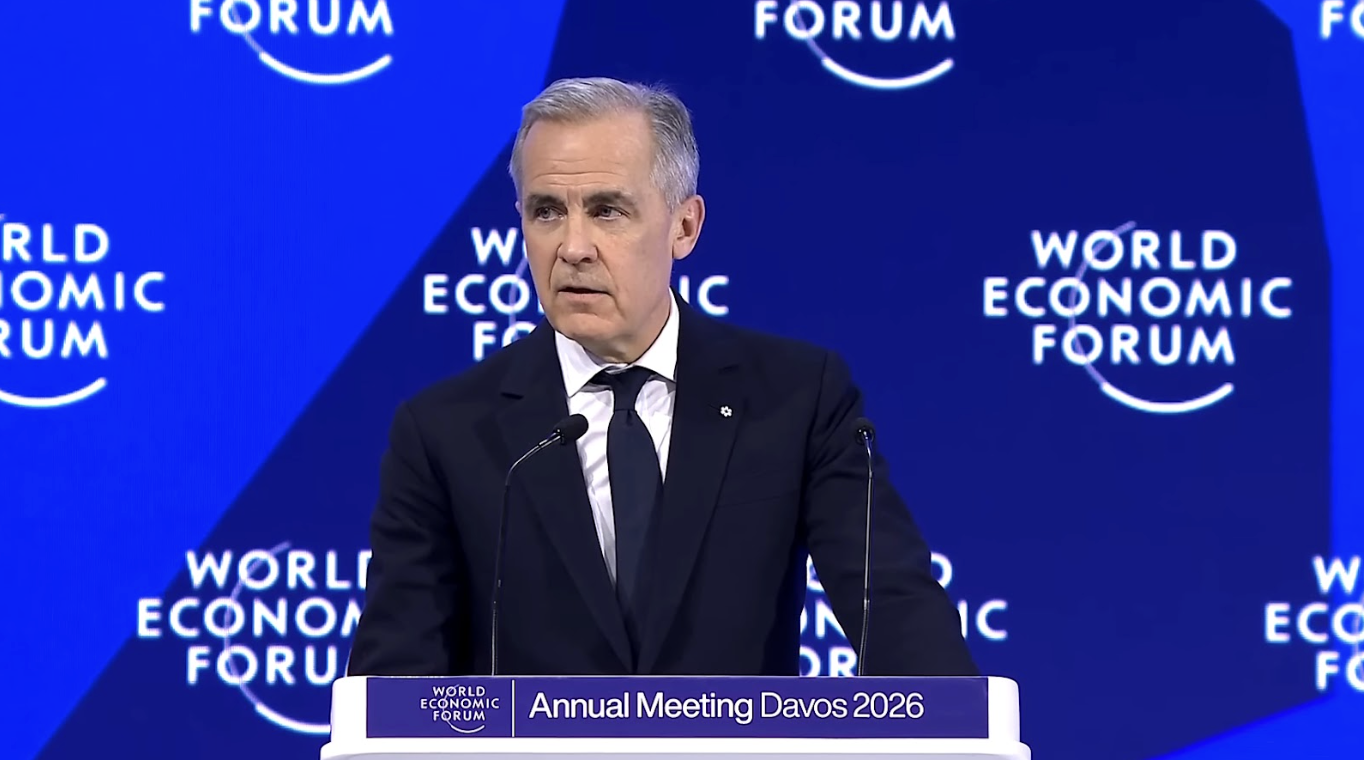
Mark Carney’s 2026 Davos speech unsettled established expectations about Canada’s place in the international system, abandoning the language of rules-based international order and reframing how the country positions itself on a global scale. However, this event brings about a familiar question in Canadian foreign policy: can rhetorical honesty produce genuine change, or will it simply renew the practice of performative sovereignty?

Posted On :

Protection for Whom? Gender-Based Violence Under Canada’s Asylum Reforms

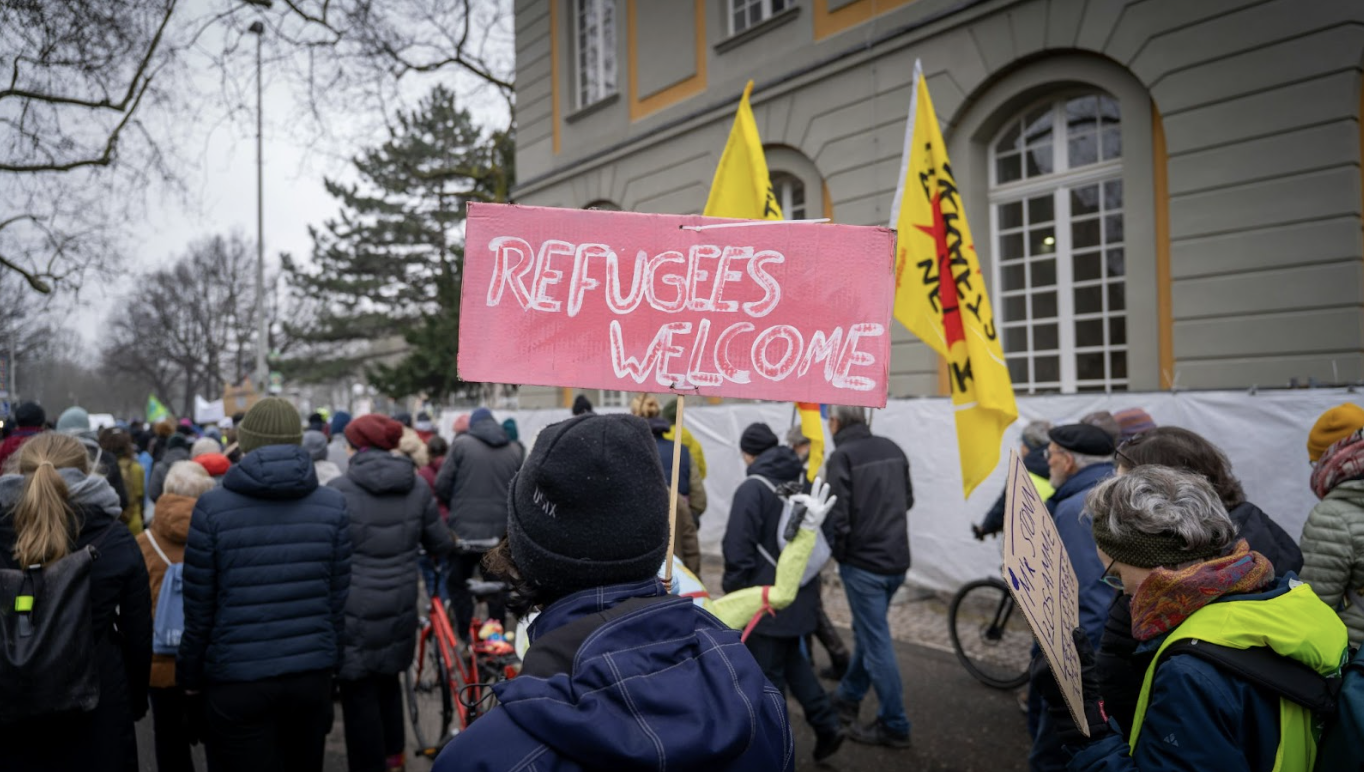
Canada positions itself as a global leader in refugee protection, emphasizing humanitarian commitment and adherence to international norms. Its asylum system is widely understood as generous and rights-respecting; however, its reputation hides a harsher truth about whom it is ultimately designed to protect. This article argues that Canada’s asylum framework does not simply fall short for women fleeing violence but actively turns survivorship itself into a legal liability. Through stricter procedural timelines and early screening mechanisms, the potential emergence of Bill C-12 treats experiences shaped by trauma and dependency as procedural risk rather than recognized harm. By examining how claims shaped by violence move through Canada’s asylum process, humanitarian leadership is revealed to coexist with policies that quietly reproduce gendered exclusion.

Posted On :