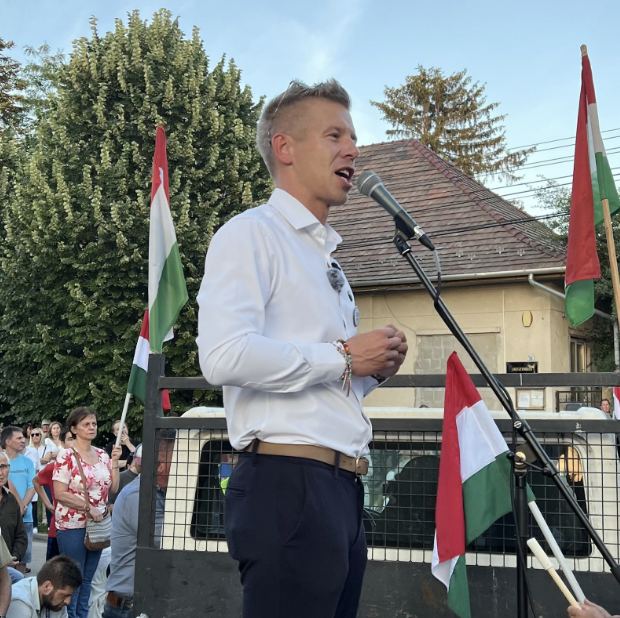
Hungary’s Last Hope? Orban’s Challenger in the 2026 Parliamentary Election

The upcoming 2026 Hungarian parliamentary election provides a rare chance for change within the country’s illiberal political context: The Respect and Freedom Party Tisza, under the leadership of Peter Magyar, is challenging the longstanding Fidesz regime led by Hungary’s prime minister of 16 years, Viktor Orban. During Mr. Orban’s tenure, Hungary’s democratic standing has waned significantly, and Mr. Magyar appears to be the strongest chance to reverse this trend. While the opportunity that the 2026 elections present is significant and not to be ignored, it is important to recognize that the challenges facing Hungary’s democracy will not disappear after this election, as the damage done to Hungary’s democracy will take significant and sustained effort to repair.

Posted On :

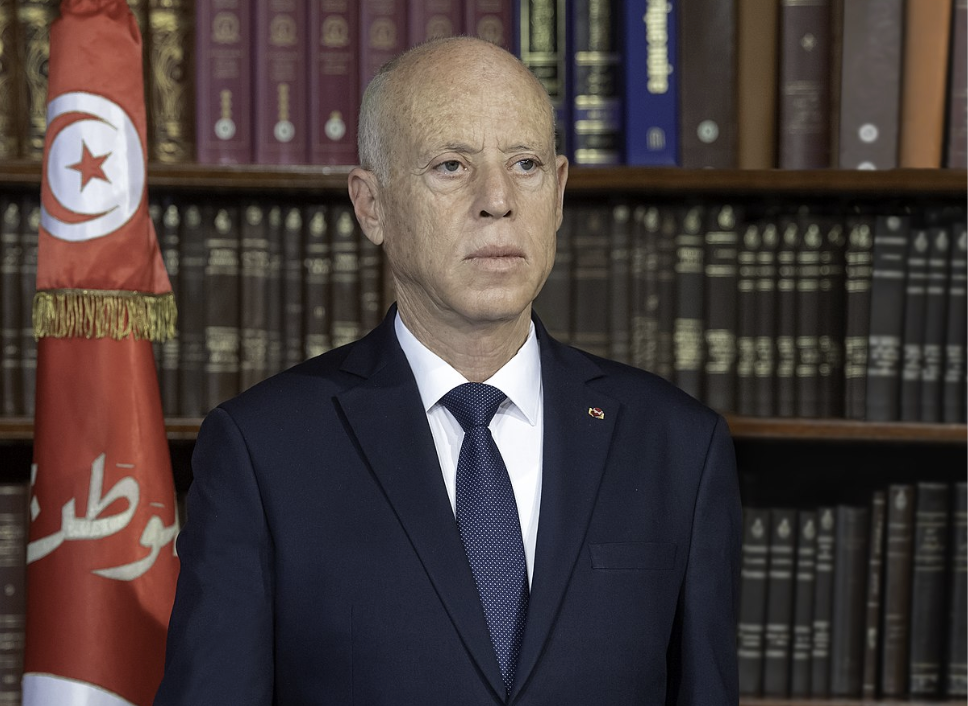
Tunisia’s Autocratic Turn: A Putin-like Case of Economics and Authoritarianism

Tunisia, a nation heralded as the one true success story of the 2011 Arab Spring movement that saw pro-democracy protests erupt across the Middle East, has slid back to autocracy in recent years under President Kais Saied. Despite the sudden end of democratic freedoms, this transition has not been met with universal opposition. The public disaffiliation with democracy in Tunisia shows the importance of economic success in maintaining democratic values, and, along with other instances of democratic backsliding, can be studied to understand how democracy can persist despite economic shortcomings.

Posted On :