Chile’s President-elect Kast and the Populism to Fascism Pipeline

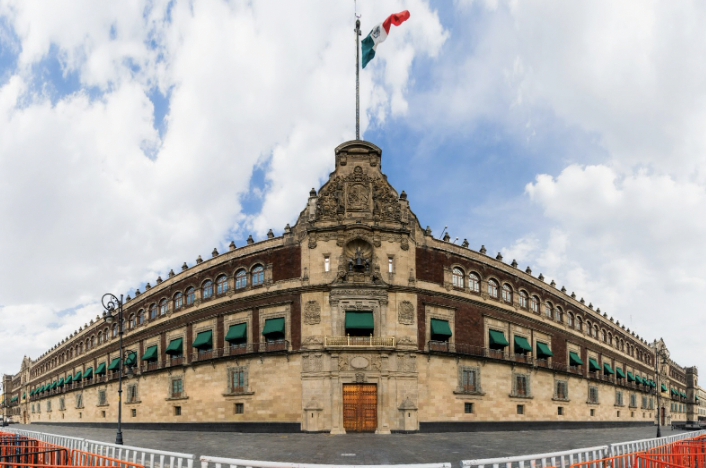
In late 2025, Chile elected right-wing candidate Jose Antonio Kast as their next president. Mr. Kast has a history of glorifying Chile’s former dictator, Augusto Pinochet, and his attitude towards Pinochet’s legacy suggests a dictatorial vision for Chile’s political future. Looking deeper into Chilean history, this attitude becomes more troubling, as Pinochet’s dictatorship has strong ties to former Nazis who fled to South America post-World War II, including Mr. Kast’s father. Mr. Kast’s rhetoric illustrates how right-wing nationalism and appealing to violent law-and-order regimes becomes fascism apologism and can set off the potential return of authoritarianism to Chile.

Posted On :

The Governance of Internet Shutdowns

Amid a global rise in internet shutdowns, governments are using digital blackouts as tools of political control. This article compares India and Myanmar to show how legal oversight shapes the scope and duration of shutdowns, producing targeted disruptions in some contexts and sweeping blackouts in others. The analysis reveals that legal constraints matter not because they prevent shutdowns, but because they structure how power is exercised in a digital landscape.

Posted On :

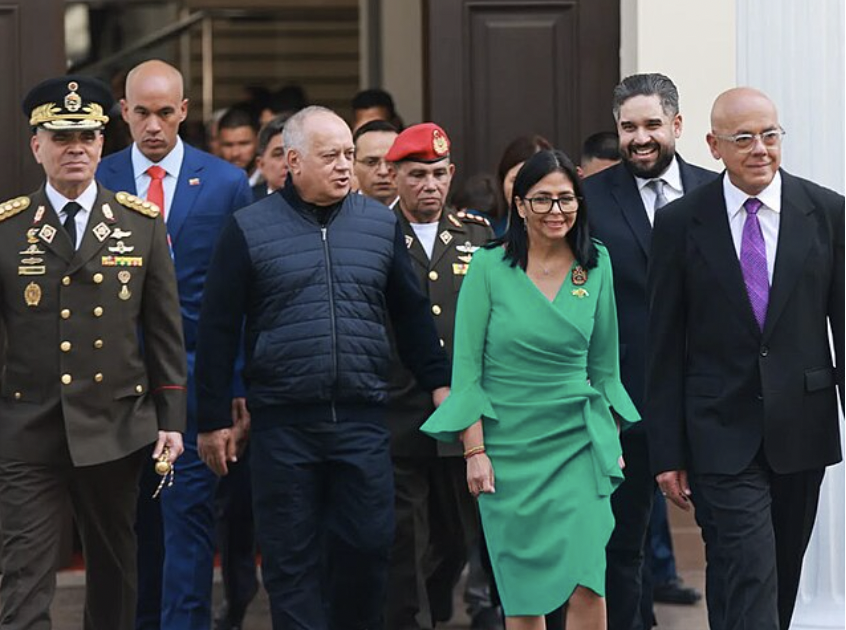
Venezuela After Maduro: Are Venezuelans “Better Off”? 

An article that explores what
Venezuela’s political landscape may look like in the
wake of Nicolas Maduro’s removal. Following the
placement of Delcy Rodríquez as Venezuela’s interim
president by the U.S., will the repression present under
Maduro’s leadership continue, or will opposition parties
take this as an opportunity to expand their roles?

Posted On :

Hungary’s Last Hope? Orban’s Challenger in the 2026 Parliamentary Election

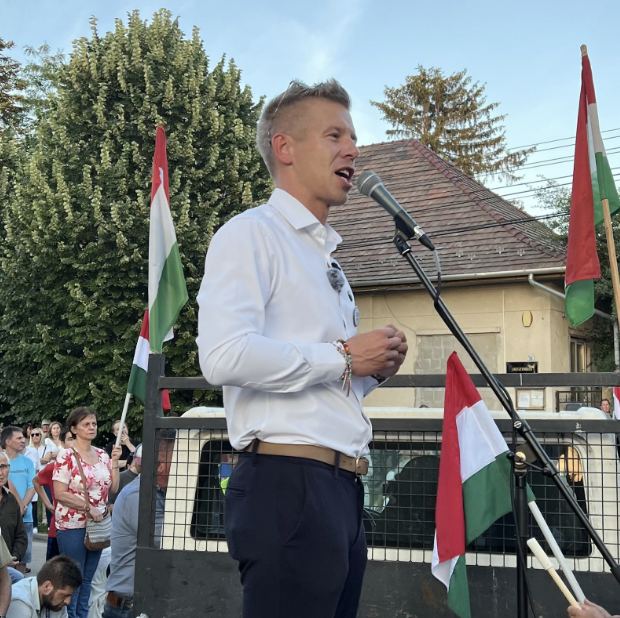
The upcoming 2026 Hungarian parliamentary election provides a rare chance for change within the country’s illiberal political context: The Respect and Freedom Party Tisza, under the leadership of Peter Magyar, is challenging the longstanding Fidesz regime led by Hungary’s prime minister of 16 years, Viktor Orban. During Mr. Orban’s tenure, Hungary’s democratic standing has waned significantly, and Mr. Magyar appears to be the strongest chance to reverse this trend. While the opportunity that the 2026 elections present is significant and not to be ignored, it is important to recognize that the challenges facing Hungary’s democracy will not disappear after this election, as the damage done to Hungary’s democracy will take significant and sustained effort to repair.

Posted On :

The Politics of Counting Femicide in Post-Convention Turkey

This article examines how Turkey’s withdrawal from the Istanbul Convention reshaped the way femicide is measured and contested. It argues that reduced political commitment weakened the transparency of state data collection, increasing data reliance on civil society tracking and demonstrating that the measurement of violence is a political process in itself.

Posted On :

Examining Democratic Erosion: Can the United States Learn From Germany?

Democratic collapse is not always sudden. While a coup d’état is a clear break, democracies can be subtly dismantled through processes that erode their foundational elements. Citizens often fail to recognize a state’s descent into fascism—a political movement defined by militarism and the suppression of individual rights—until they have lost the democratic power to counter it.

Posted On :