Considering a World State III: The Desirability of a World State
Thus far in the ‘Considering a World State’ series, the first and second articles have aimed to show that the creation of a world state is both a necessary and More
Getting the Insight Out
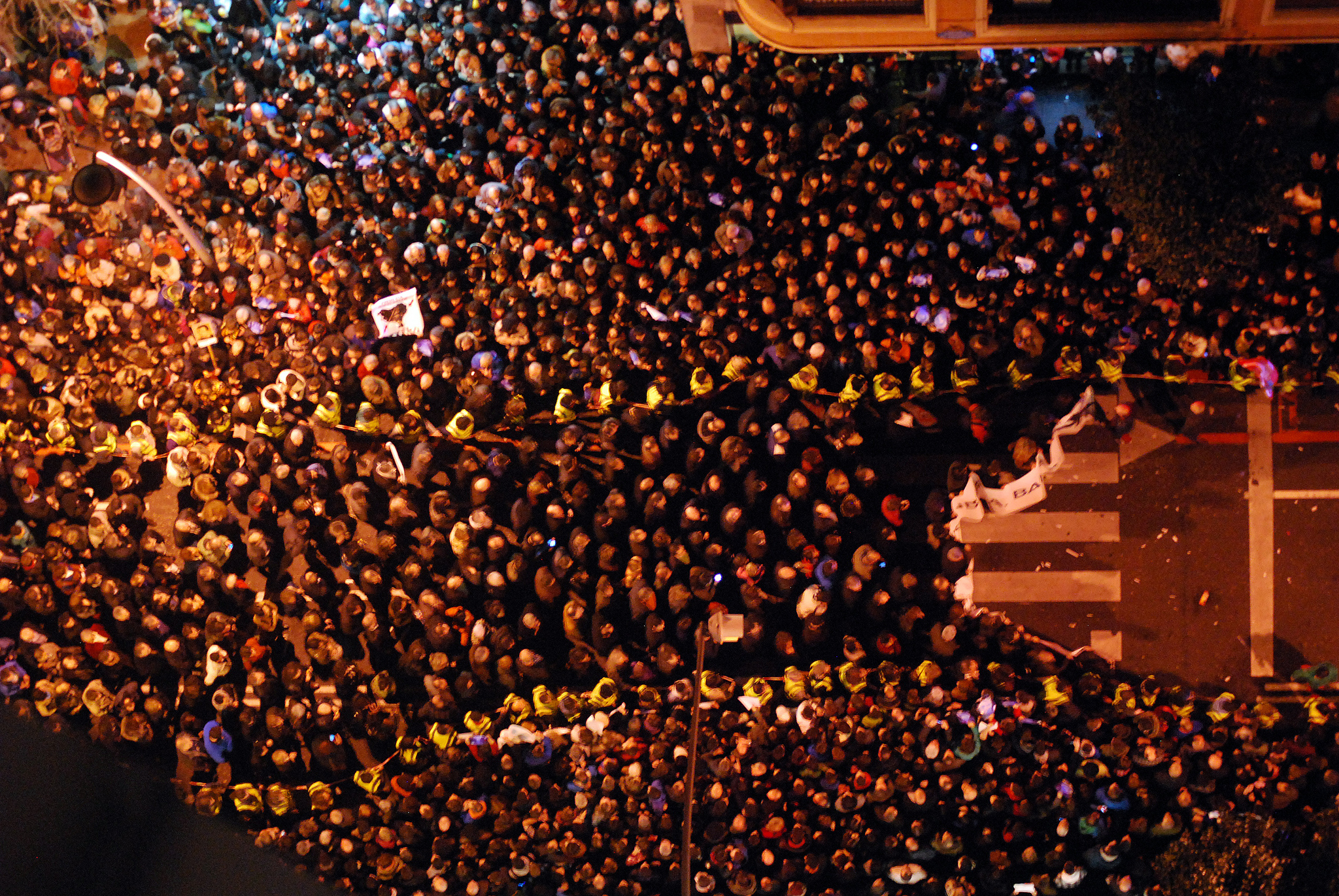
Thus far in the ‘Considering a World State’ series, the first and second articles have aimed to show that the creation of a world state is both a necessary and More
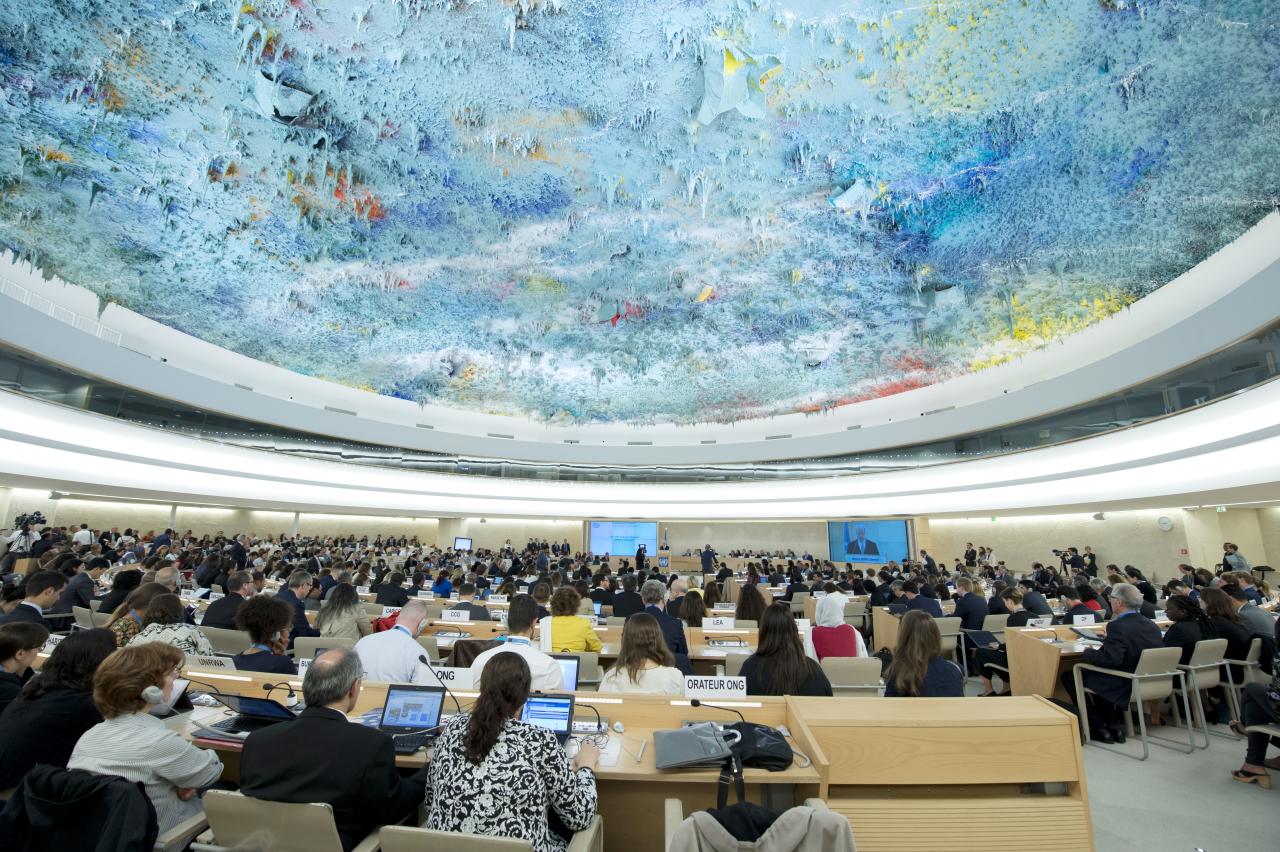
Social media is gaining considerable influence in political affairs. On the one hand, these networks can be effective platforms with which politicians can reach large audiences. On the other hand, More
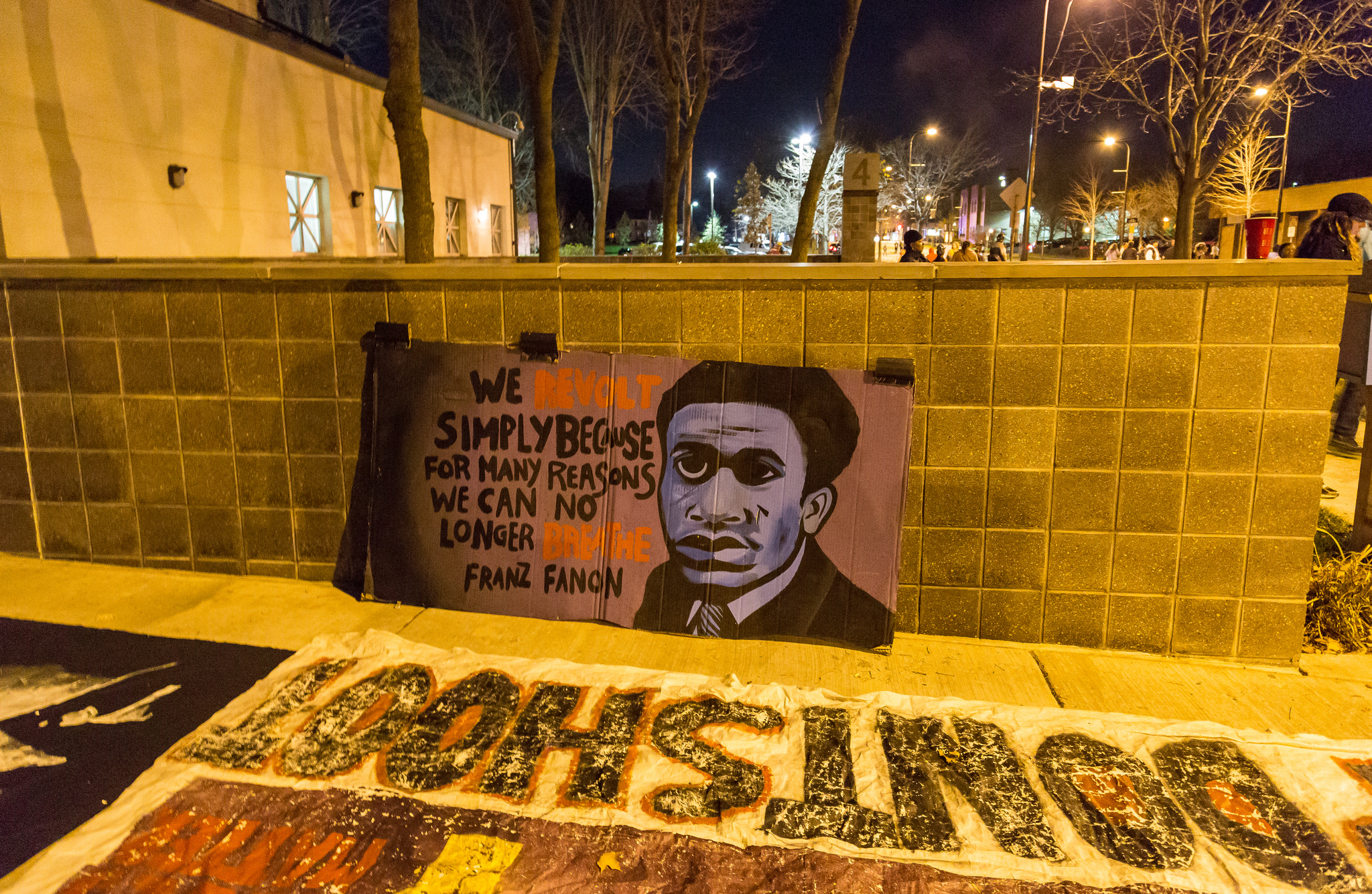
Numerous countries have experienced a period of decolonization following European imperialism. Some of these include countries in North Africa and the Middle East who were under the control of French, More
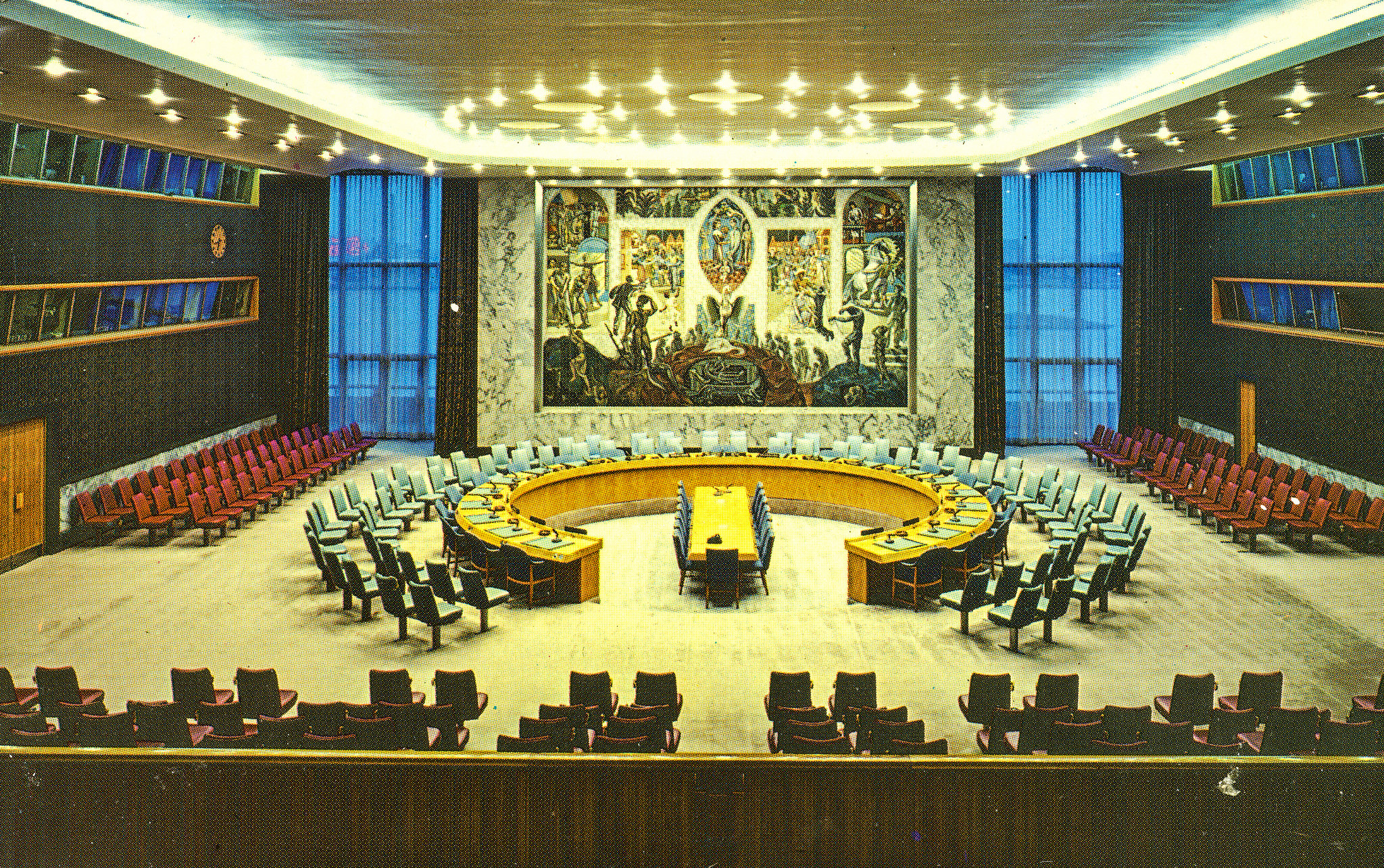
The previous article in the ‘Considering a World State’ series spoke to the necessity of a world state in finding effective and timely solutions to problems of collective action. Admittedly, More
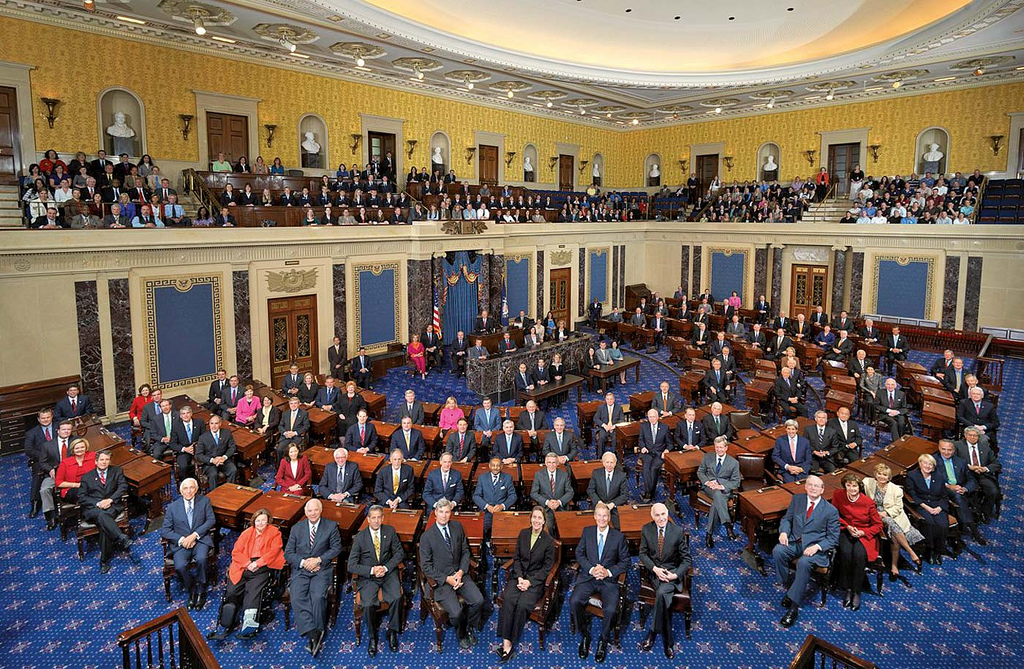
Policy approaches toward fairness present themselves in a variety of ways. Some policies value equal contribution and devalue circumstantial differences; others value circumstantial differences and devalue equal contribution. Since neither More
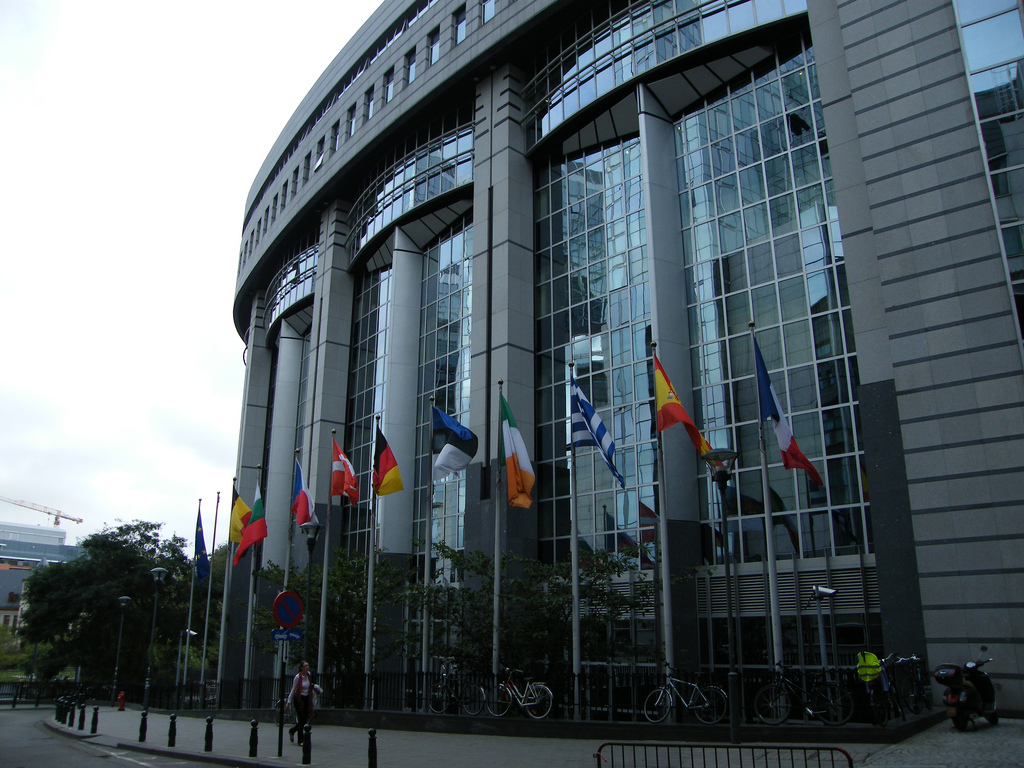
It is often the case that in discussions of political theory that a thought experiment or hypothetical scenario can assist in the analysis of a concept. The following thought experiment More
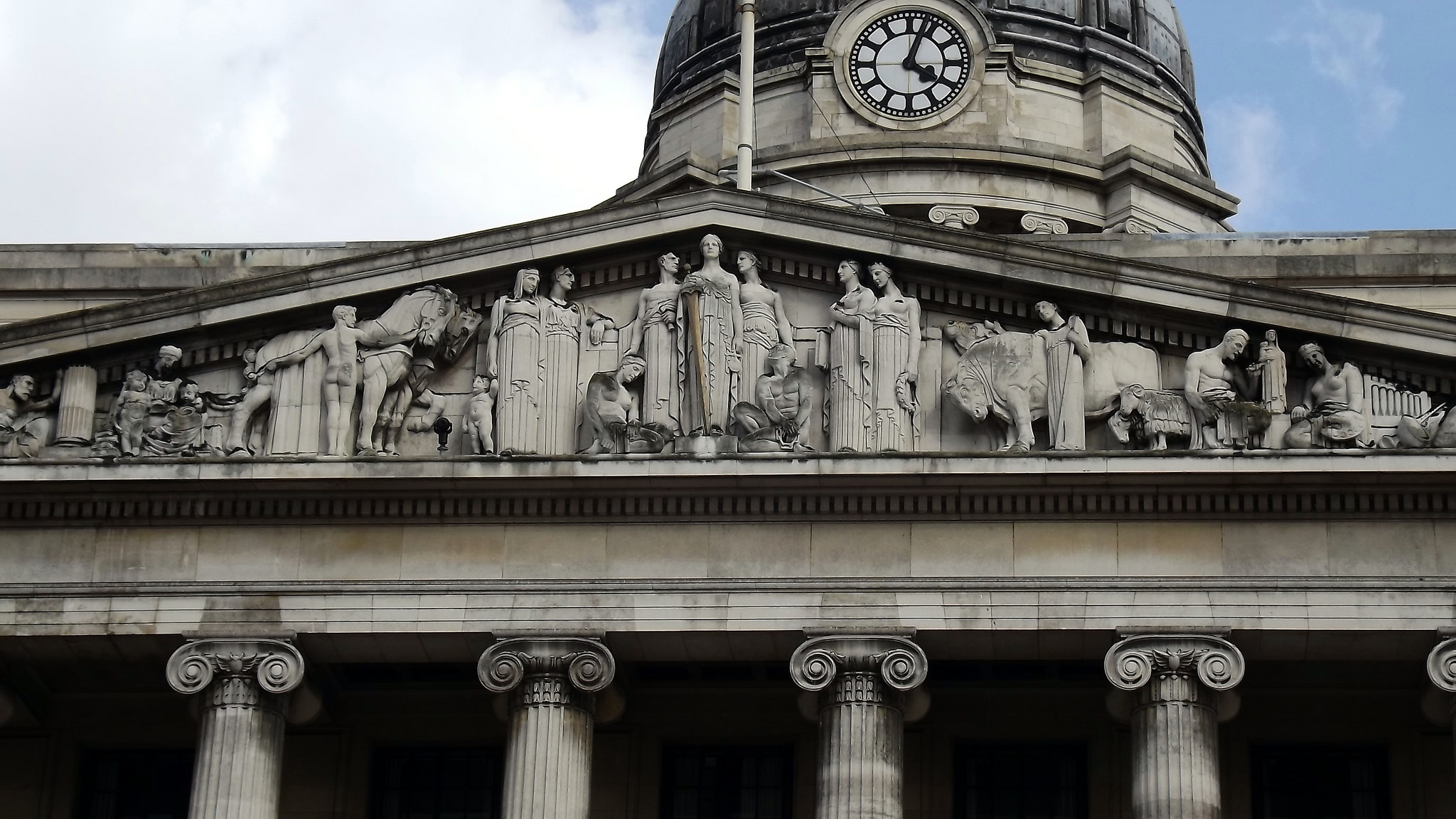
Many philosophers have their own interpretations of the state of nature and the true nature of mankind. Hobbes depicts one of the first accounts of the state of nature and More
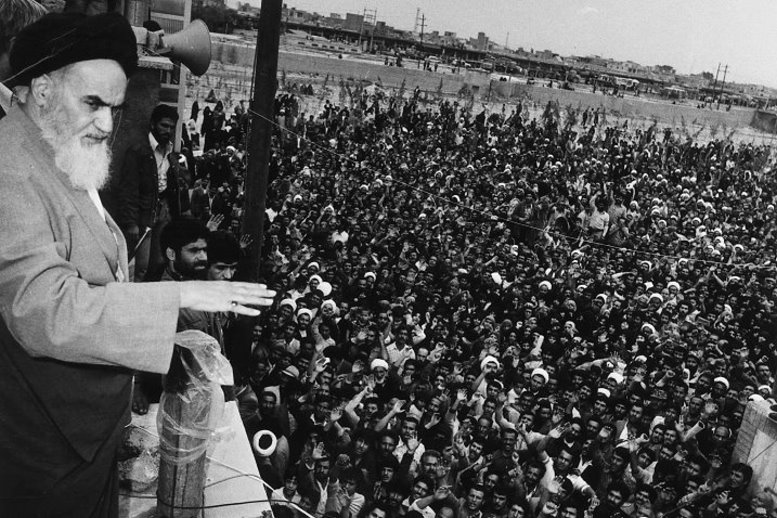
Perhaps one of the most defining moments in politics in the Middle East last year was the 2017 Presidential election in Iran, which was followed by a series of protests More
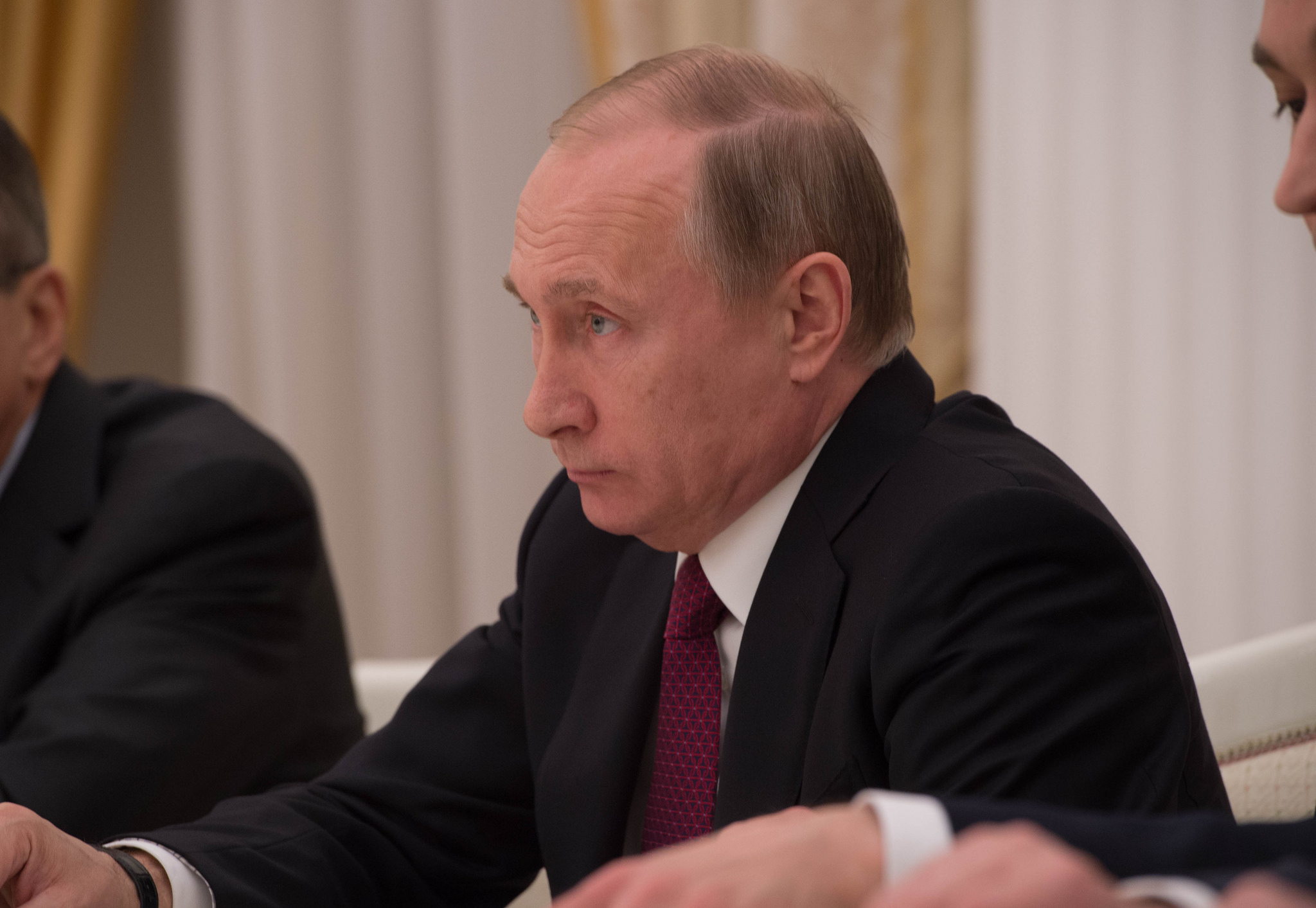
The 2018 Russian Presidential Elections seems to confirm what political theorists since Montesquieu have claimed concerning the country: Russia is a despotism, and that situation is unlikely to change anytime More
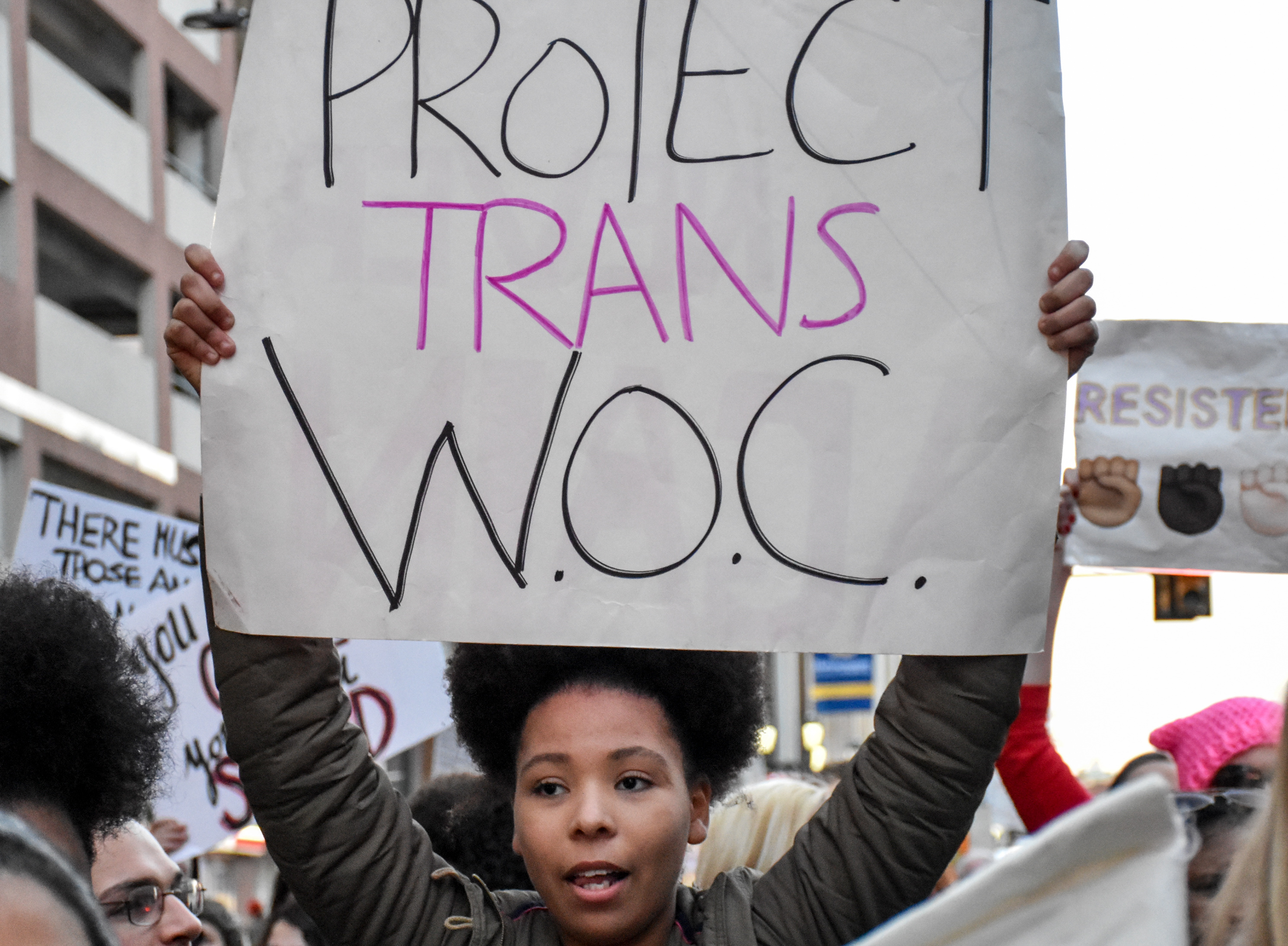
At the cusp of second-wave feminism, there was a lack of understanding of discriminatory differences between identity groups. Kimberlé Crenshaw coined the term ‘intersectionality’ in 1989 to conceptualize the junction More