 0
0
 0
0
Details on the Strategic Partnership
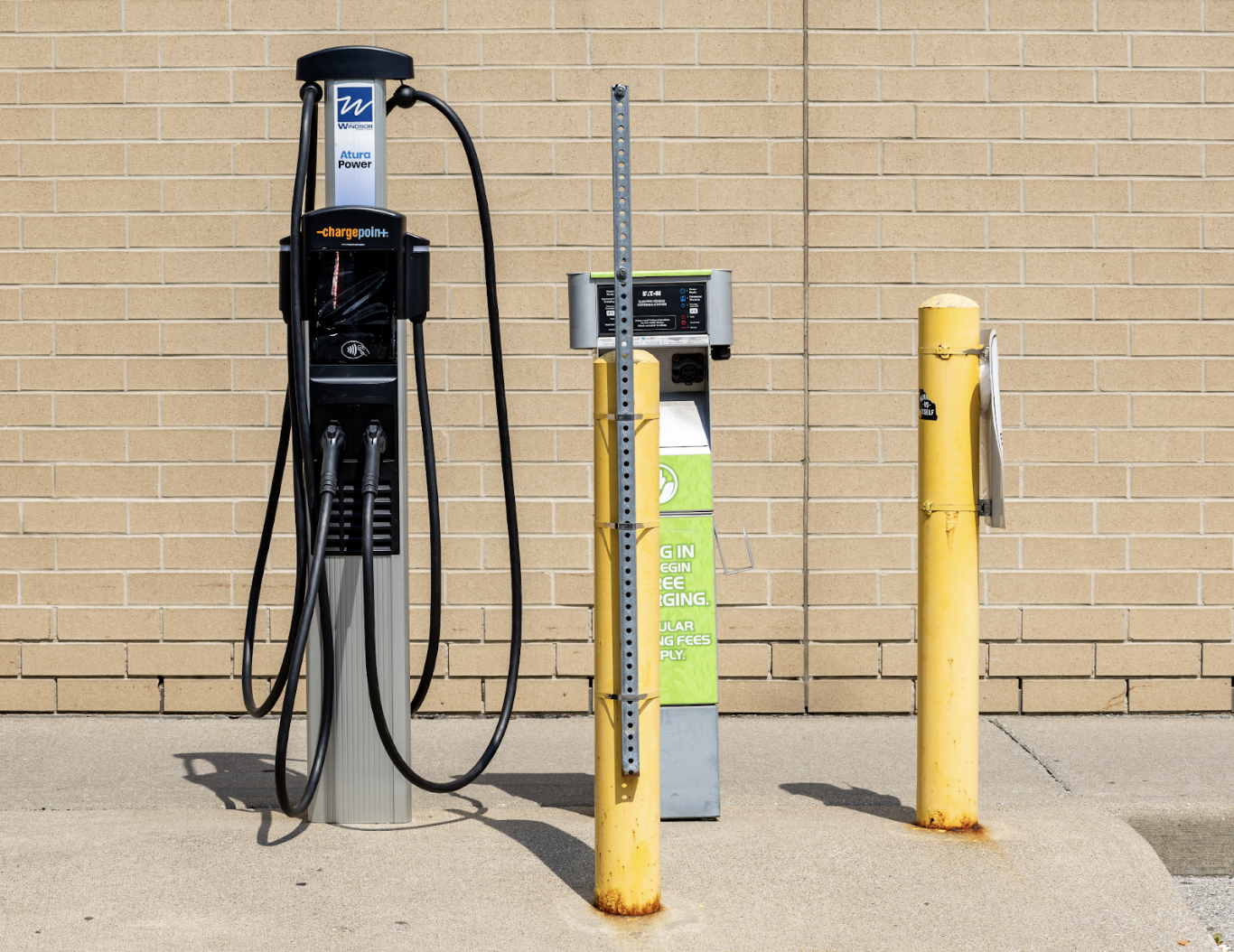
The renewed strategic partnership between Canada and China strives to repair recently tenuous relations. Ties between the two countries began to erode in 2018 when Canadian officials, complying with a U.S. warrant based on fraud charges, detained Meng Wanzhou, a Huawei Corporation executive. Relations continued to worsen when, in 2024, Canada imposed import duties of 100% on electric vehicles (EVs) made in China. This decision was made in lockstep with U.S. President Joe Biden’s protectionist ambitions. With this new trade deal, 49000 Chinese EVs will be permitted into the Canadian market with a 6.1% levy. As such, this will provide attainable options for Canadian car shoppers, amid an increasingly unaffordable car market.
In response to the 2024 levied tariffs, China decreed import duties on $2.6 billion of Canadian agricultural products such as canola oil, meal, and seed. According to the agreement reached on January 16, 2026, levies on canola seeds will plummet from 84% to 15% effective March 1, 2026. In addition, Canadian canola meal, lobsters, crabs and peas will be exempt from Chinese tariffs from March 1, 2026 until the end of the year, at minimum.
This trade deal has been well received by Saskatchewan canola producers, less so in Ontario, Canada’s main car-making province. Ontario Premier Doug Ford chastised Prime Minister Mark Carney, as he believes the new agreement will bring economic uncertainty to the province’s auto industry by jeopardizing the province’s connection with the U.S. Market. The Ontario Premier also confirmed that there are no clear guarantees that Chinese EV manufacturers will establish joint-ventures in Canada, though Canadian officials hope that the new partnership will lead to such business arrangement. He also pressed the federal government to halt its EV mandate, harmonise regulations with important trading allies, and keep federal taxes in check, as he claims each of these issues contribute to rising production costs.
China May Not Threaten Ontario’s Auto Sector After All
China’s EV industry may not present as large a threat to Ontario’s auto sector as previously argued. The number of imported Chinese vehicles will grow within the next five years, but will be capped at 70000 units. To put this in perspective, roughly 1.7 million vehicles are sold each year in Canada, so the number of Chinese vehicles that will be allowed in the market represents but a “drop in the bucket,” so to speak.
In actuality, lower-than-expected EV demand in North America may pose a larger threat to Ontario’s automotive industry. This phenomenon has thwarted efforts from federal and provincial governments to move auto manufacturing capabilities towards EV production. Recent sales data suggests that EV sales in the North American market have lagged far behind the rest of the world. These bleak sales figures can be attributed to a recent policy change coming from U.S. President Donald Trump, who has removed EV tax credits for all EVs purchased after September 30, 2025. As most vehicles produced in Ontario are destined for the American market, this certainly casts doubt on the viability of Ontario’s pivot towards EV manufacturing.
Political calculations and Federal-Provincial Relations
At first glance, the canola industry may have comparatively benefited more from the strategic partnership than the auto sector, which may appear to be politically misguided from the perspective of the incumbent Liberal government. Moreover, Canada’s auto sector provides employment opportunities for 125,000 Canadians, more than three times the number of workers employed in the canola industry. In addition, the top-producing canola regions are found in rural Alberta and Saskatchewan, in some of the least Liberal-friendly ridings in the country. In contrast, Ontario sent 70 Liberal MPs to the House of Commons in the last general election.
From a strictly strategic point of view, political parties have little incentive in appealing to regions where they have little to no prospects of winning seats. The political calculations are more tenable when accounting for the possibility that PM Carney may prioritize Western Canada to appease the growing separatist sentiment in that part of the country. This strategy would build upon the current Prime Minister’s recent Memorandum of Understanding with Alberta, which aims to bolster the province’s oil and gas sector.
Although PM Carney may have strengthened his relation with Premiers in canola-producing provinces, his relation with the Premier of the country’s most populous province may have soured. Until now, Premier Ford had been generally appreciative of PM Carney’s work, as he believed that the Prime Minister had been attentive to his demands.
As such, the new partnership has the potential of rearranging federal-provincial relations in Canada. By securing a deal for the canola industry, a staple industry in Western Canada, the Prime Minister may have improved his relations with the Premiers of some of Canada’s most conservative provinces. Nevertheless, the deal may have put Mr. Carney’s relation with Mr. Ford in jeopardy, but the impact on Ontario’s industry may be less dramatic than what Premier Ford has signaled in public statements. There may be a perception problem wherein voters may believe that the interests of Western Canada have been favored to the detriment of Ontario – which may weaken the electoral prospects of the Liberals in Canada’s most populous province. As the gap between Liberals and Conservatives has tightened since the last election, PM Carney will need to be as careful as ever to find as many allies as possible, and especially provincial premiers.
Edited by Catriona Hayes Morris
The argument defended in this article is solely that of the author and does not reflect the position of the McGill Journal of Political Science, the Political Science Students’ Association, or the McGill Department of Political Science.
Featured image by Chris Woodrich from Wikimedia Commons.


