From Solution to Crisis: Understanding Quebec’s Bill 2
The emergence of Bill 2 reveals a profound crisis of state legitimacy in Quebec’s health sector, where declining trust and mounting physician exit jeopardize the future of universal health care.
Getting the Insight Out
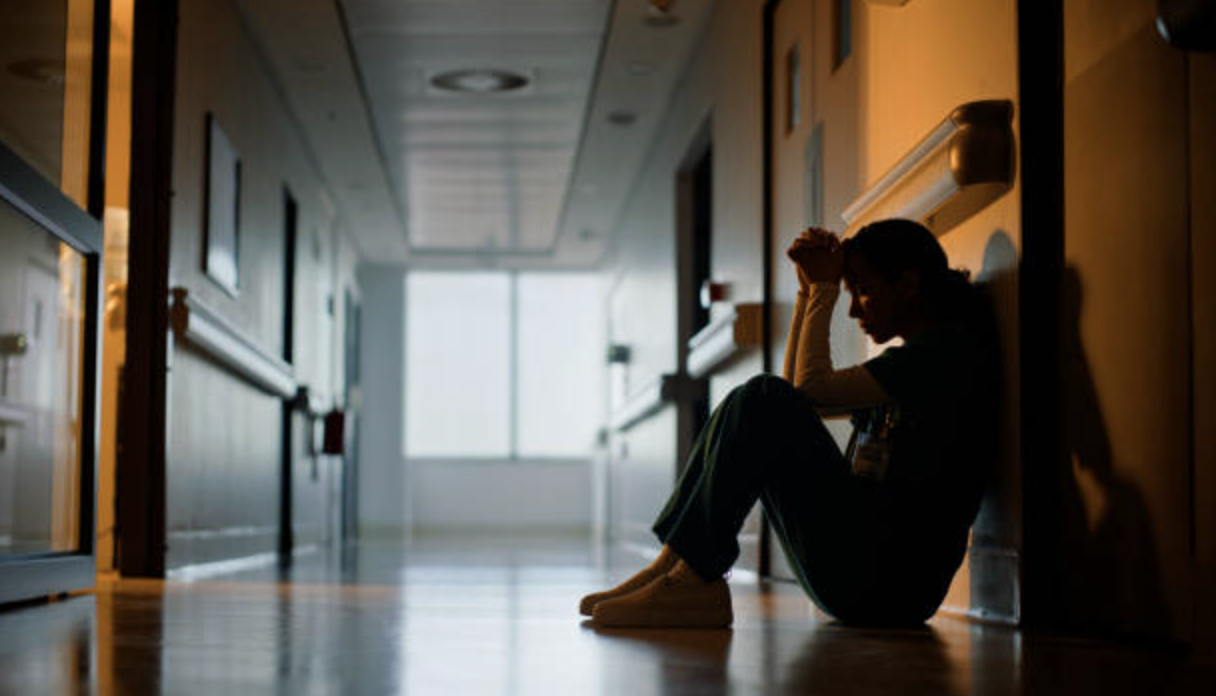
The emergence of Bill 2 reveals a profound crisis of state legitimacy in Quebec’s health sector, where declining trust and mounting physician exit jeopardize the future of universal health care.

In late January 2026, Pierre Poilievre will face a leadership review. The political test is set to take place in Alberta, where Poilievre’s brand of conservatism is most popular. This locale may strategically favor Mr. Poilievre, as it will stimulate turnout for his core base. Concurrently, certain Conservatives have been publicly critical of his leadership, but since they are mostly based in other parts of the country, convincing them to partake in the leadership vote may prove challenging. However, critics may be favored by the voting system. Thus, although the strategic location of the convention and the lack of a clear successor may advantage Pierre Poilievre, growing discontent may muddy the waters.
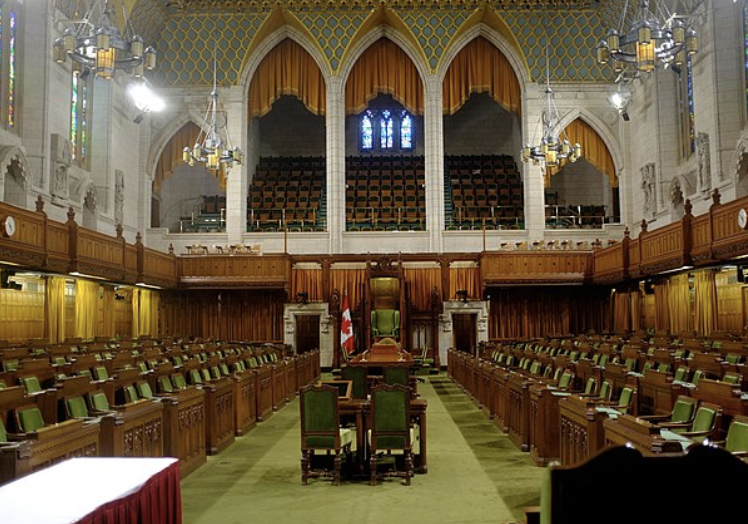
As power in Canadian political parties continues to centralize around the leader, the discipline imposed on party caucuses has become stricter. This tightening of protocols critically affects members of Parliament’s ability to represent their constituencies, as well as alienating them from the party leadership.
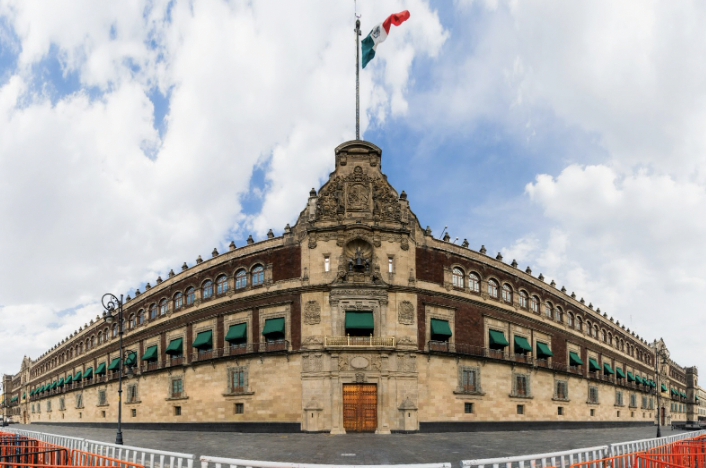
Mexico’s gender parity laws have achieved numerical equality in political positions, but they have not ensured true political power or autonomy for women. Assessing Mexico’s top-down reforms against a bottom-up model like Sweden’s illustrates how real empowerment depends on political culture, not quotas alone.

The Hyphen Project embodies the promise of clean energy while revealing how foreign powers can still undermine the economic sovereignty of African countries.

At the COP30 climate talks in Belem, Brazil, last week, global powers convened to discuss a multitude of strategies to secure favorable agreements for their economies and diplomatic relations. However, as the second-largest emitter globally, the notable absence of a high-level American delegation from the talks creates ambiguities about the future of emissions abatement, even with the progressive policy decided at the conference.
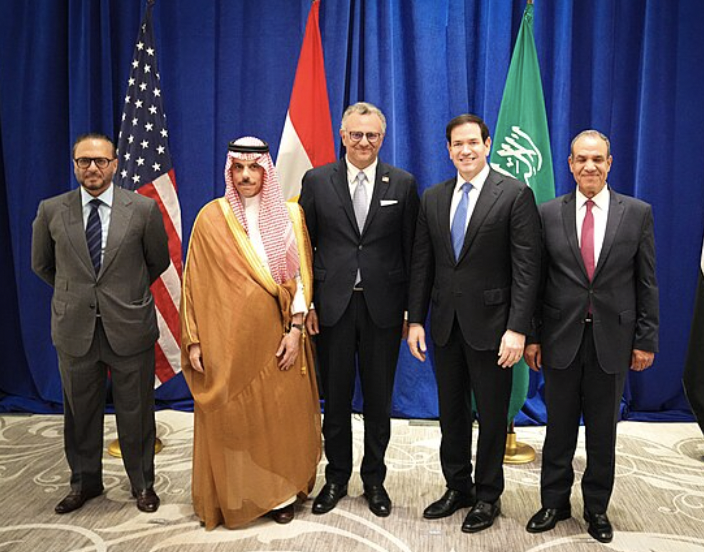
Sudan’s civil war has spiraled into the world’s worst humanitarian crisis, as the UAE and Egypt continue to fuel both sides. The international community turns a blind eye on their undeniable involvement.
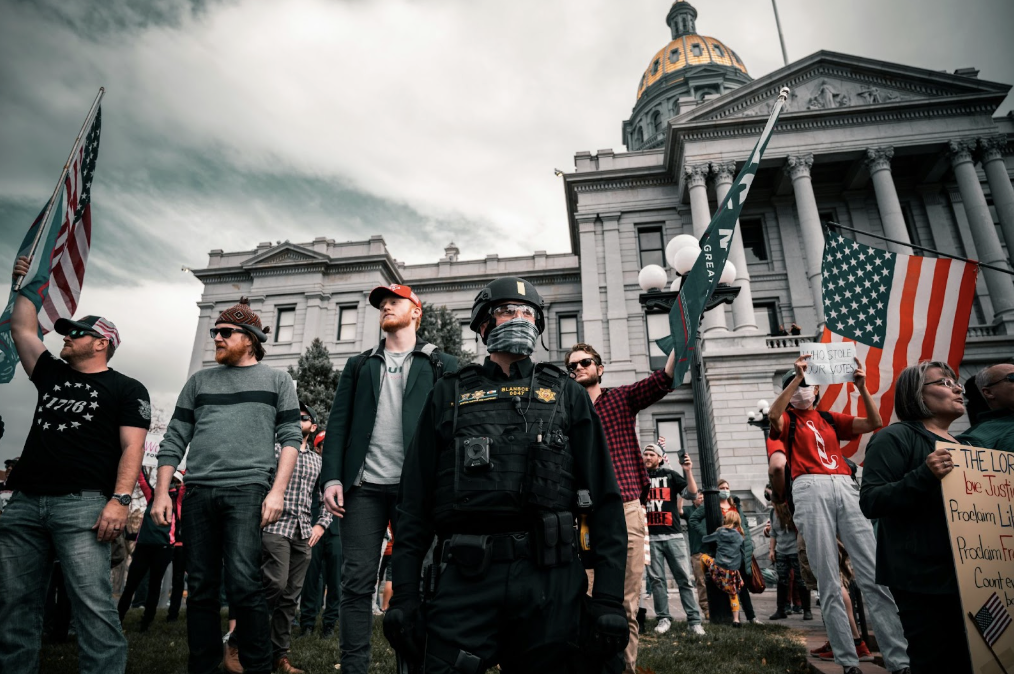
Democratic collapse is not always sudden. While a coup d’état is a clear break, democracies can be subtly dismantled through processes that erode their foundational elements. Citizens often fail to recognize a state’s descent into fascism—a political movement defined by militarism and the suppression of individual rights—until they have lost the democratic power to counter it.
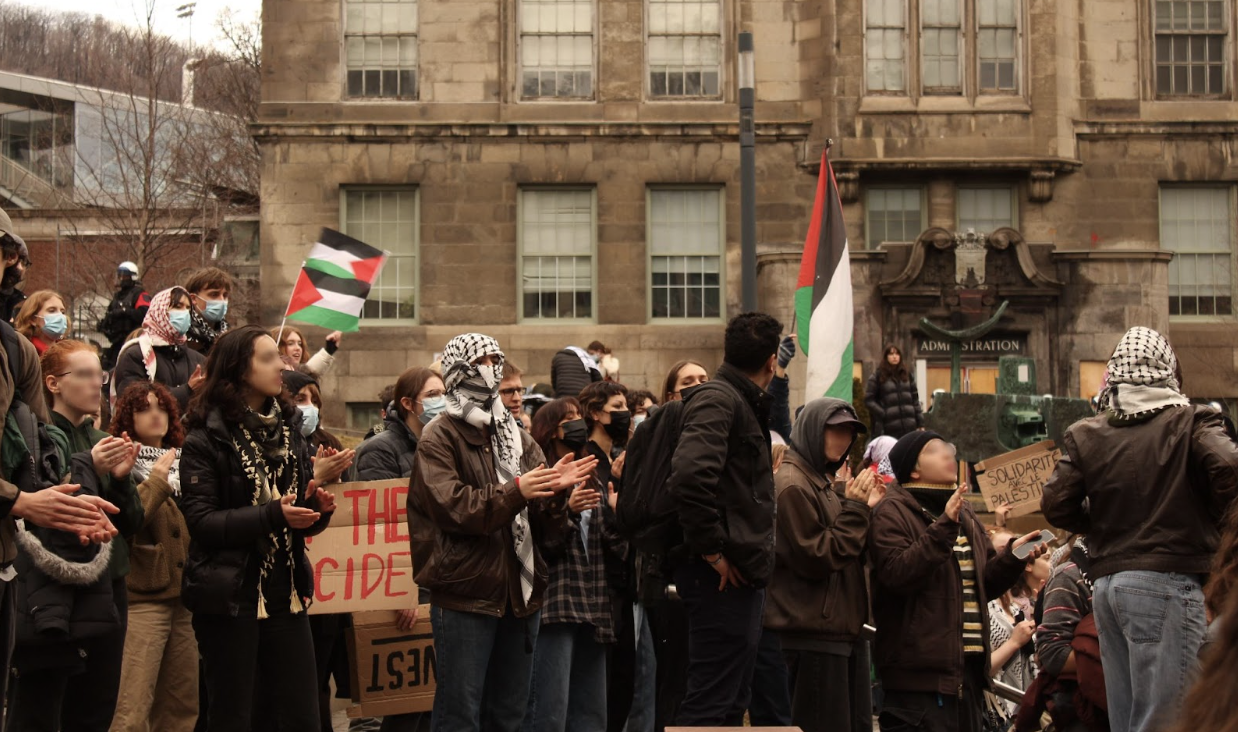
It might seem that the forum for civil discourse has to be neutral for this discourse to occur. In fact, an adherence to neutrality often stifles constructive political discourse. At McGill, administrative appeals to neutrality amid Palestine protests reveal how “civility” and neutrality mask exclusion and suppress dissent. Drawing on theorists Iris Marion Young and Chantal Mouffe, this article argues that true civic/civil discourse demands not politeness but inclusive political communication—an open, sometimes uncomfortable, engagement with difference.
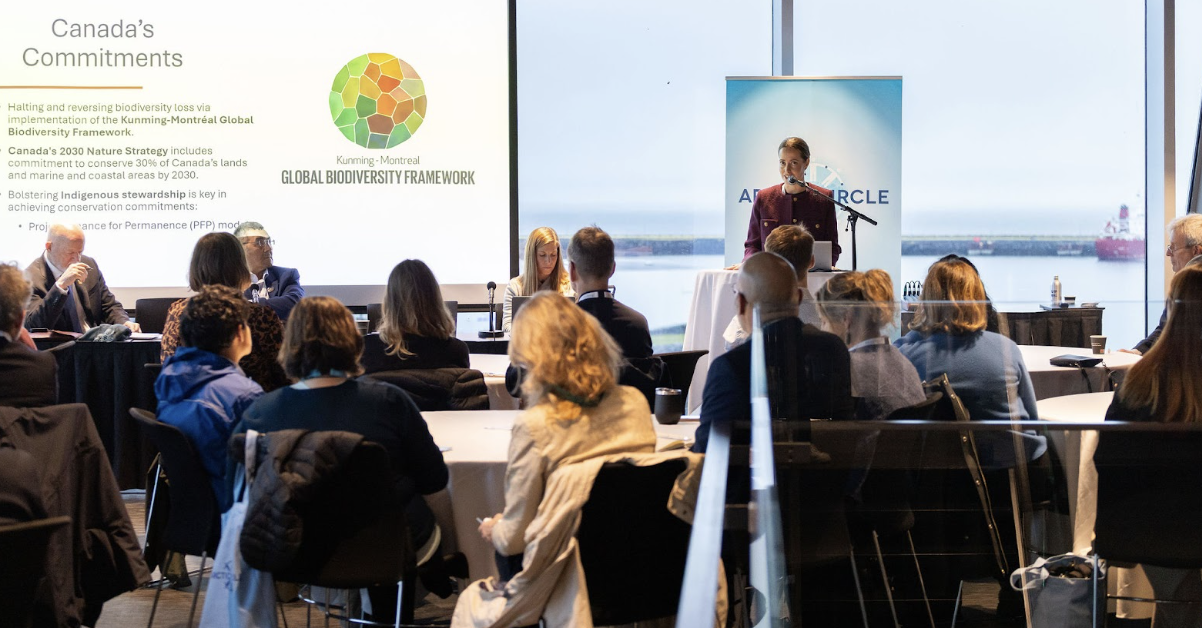
Canada’s claims to Arctic legitimacy depend on Indigenous authority and presence, yet sovereignty remains defined by Ottawa, revealing how reconciliation falters when the North remains governed by the South.