 0
0
 0
0
Sean Fraser (Central Nova, N.S.), Justice Minister and Attorney General of Canada, presented Bill C-14: An Act to amend the Criminal Code, the Youth Criminal Justice Act and the National Defence Act (bail and sentencing) on October 27, 2025. Most notably, this initiative proposes reverse-onus legal proceedings for crimes relating to ‘violent and organized crime-related auto theft’. For reverse onus bail proceedings, an accused person must credibly prove why they should receive bail. Conversely, onus refers to the obligation of prosecutors to demonstrate why the accused should not receive bail, which is currently the more widespread bail proceeding.
Direction of Policy and administrative implications
The rationale behind the crime legislation is twofold: first, to address public concern about pre-trial release of accused persons, as nearly 80% of Canadians believe that more stringent measures should be implemented. Second, it intends to respond to provincial calls and public safety concerns across Canada. For instance, the Government of Manitoba urged the federal government to take action on bail reform.
PM Carney’s government aims to enact consecutive sentencing, a conviction in which several sentences are served back-to-back, instead of concurrently. However, in the past, efforts to enshrine this form of sentencing into law have attracted some legal challenges. This was the case in 2011, as Stephen Harper’s government unveiled Protecting Canadians by Ending Sentence Discounts for Multiple Murders Act (SC 2011, c 5). This piece of legislation offered to implement 25-year long periods of parole ineligibility for those responsible for several first-degree murders. Furthermore, the conviction time of such offenders would be calculated by multiplying a 35-year long period by the number of murders committed.
However, the provision was struck down by the Supreme Court of Canada (SCC) in R v. Bissonette in 2022. It was stated that offenders having committed several murders, already having to contend with an unfavorable Parole Board, would have to wait a long 25 years before being given the chance to gain parole, with no right of release. Furthermore, by allowing the possibility of lifetime connection without the hope of parole, consecutive sentencing would be both cruel and unconstitutional according to the SCC. To ensure that his government’s proposal is legally supported, PM Carney insists that legal experts and law enforcement forces have been consulted. Regardless, challenges may still arise; the federal government has recognised that fundamental constitutional rights will limit the scope of reform. Minister Fraser stated that “the presumption of innocence, the privacy rights guaranteed to Canadians … are essential features to a constitutional democracy that I stand by.”
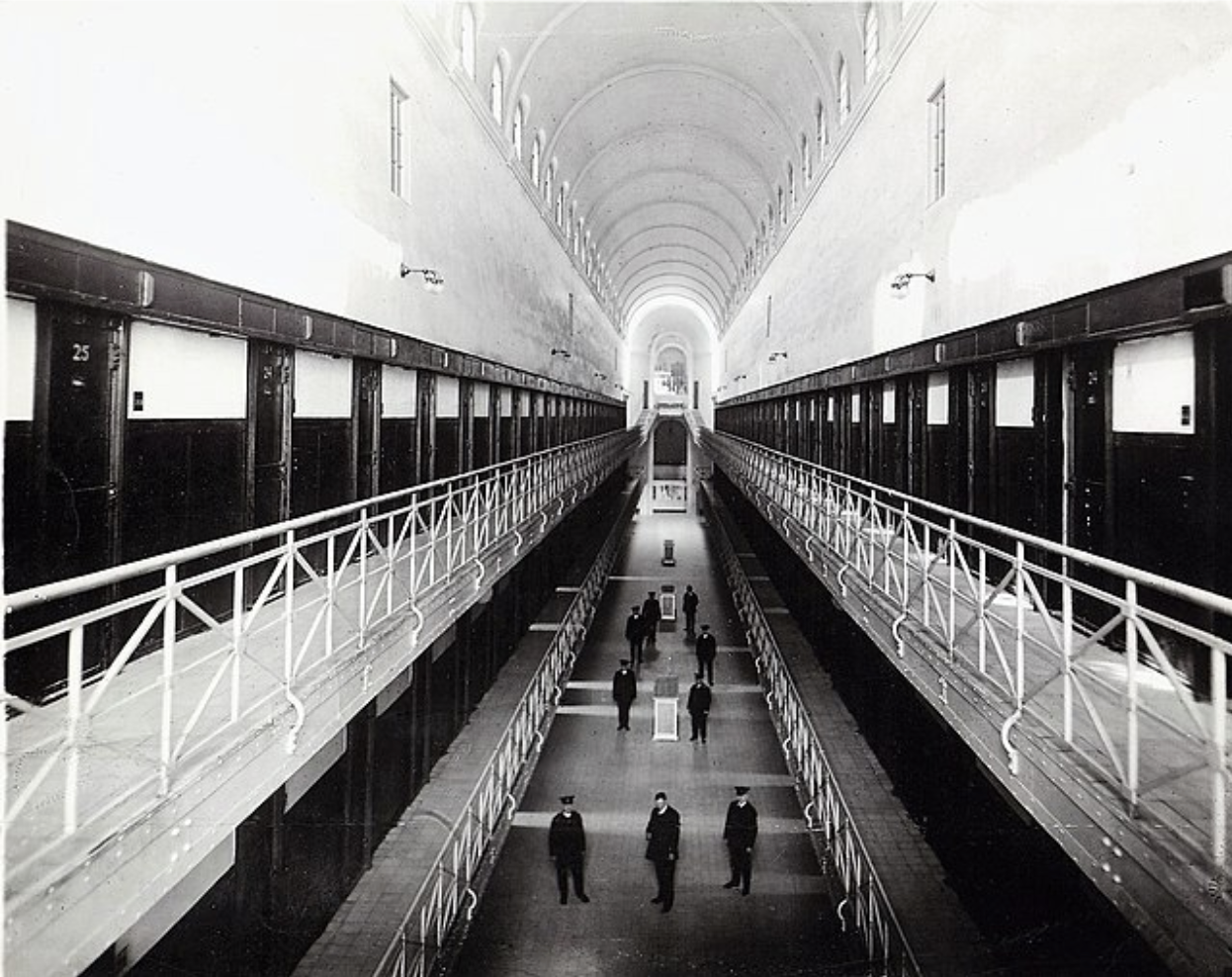
Bail in Canada is the product of myriad interactions of federal Criminal Code provisions and provincial justice systems. As such, if the new federal legislation fails to properly coordinate with provincial jurisdictions, there may be practical implementation issues, delays, or federal-provincial tensions. As such, while amending the Criminal Code falls under the purview of the federal government, operational matters (i.e., bail courts, jails, and victim services) fall under the responsibility of provincial governments. Thus, the financial and bureaucratic implications of the proposed bill, particularly in regards to provincial administrative services, could be a source of tension in federal-provincial relations. For instance, implementing tougher bail sentences keeps more people in jail, which raises issues when prison overcrowding persists in provinces such as Ontario.
Political motivations
Bail reform may be rooted more in politically-charged motivations than by evidence of its claimed effectiveness. As such, bail reform has the potential to reduce the number of innocent people who are excluded from society.
Constitutional hurdles may occur if the legislation undermines fundamental rights without justification. For example, although the notwithstanding clause (Section 33) of the Canadian Charter of Rights and Freedoms has been invoked multiple times by provincial governments, it has yet to be used by the federal government. The clause allows the governments to override the Charter’s fundamental freedoms (section 2), legal rights (sections 7 to 14), and equality rights (section 15) in their legislation. It’s worth noting it’s highly unlikely that PM Carney will recourse to Section 33, as he rejected that option while responding to Pierre Poilievre’s (Battle River—Crowfoot, AB) proposal to use that provision to impose consecutive life sentences.
As such, the Carney government’s crime legislation reflects a strong political will to tackle the shortfalls in the pretrial release regime, especially for violent, organized or repeat offenders. At the same time, it faces serious legal hurdles. In reference to Canadian law, any tightening of bail must preserve the presumption of innocence, respect individualized assessment, and avoid arbitrary or overly broad detention of the accused. Harper’s consecutive-sentencing proposition demonstrates the risks of crafting criminal law reform as stacking parole ineligibility blocks was ultimately proven to be vulnerable to invalidation through judicial review. While bold crime policies are politically attractive, they must be carefully designed to align with Canada’s Charter, evidence of effectiveness, as well as the observation of individual liberties. Prime Minister Carney’s bail reforms will succeed, both legally and practically, only if they balance public safety aims and respect the procedure by which they can be implemented.
Edited by Catriona Hayes Morris
The argument defended in this article is solely that of the author and does not reflect the position of the McGill Journal of Political Science, the Political Science Students’ Association, or the McGill Department of Political Science.
Featured image by BAnQ Vieux-Montréal – Fonds La Presse from Wikimedia Commons.


