 5
5
 0
0
In 2022, as Russian tanks stormed into Ukraine, the US Treasury Department scrambled to neutralize Russia’s energy sector. The Treasury faced a simple problem. Sanctions restricting Russian oil supply would cause oil prices to skyrocket, hurting Western democracies at a time when post-pandemic inflation was already at record highs. However, leaving Russian oil exports untouched meant Russia could fund its war indefinitely. Consequently, the US Treasury worked with America’s allies in Europe and the G7 to implement a largely untested piece of economic statecraft – a price cap on Russian oil.
The concept is simple. Western companies hold a virtual monopoly on the insurance and logistics infrastructure that underpins the oil shipping industry. These companies would supply their services to ships transporting Russian oil sold only at or below 60 USD per barrel, well below the 85 USD market price at the time. Implementing a price cap, rather than instituting an outright ban on Russian access to these firms, would allow the EU and G7 to limit Putin’s oil revenues while preventing a supply crunch that would boost inflation and undermine public support in the West.
G7 and EU officials therefore designed the price cap to achieve two goals: significantly reduce Russian oil revenues and minimize economic harm to allied nations. Since its implementation in December 2022, economists and policymakers have criticized the price cap for falling short of these ambitious goals. However, these critiques overlook the policy’s indirect effect in bolstering the West’s crackdown on Russian oil exports.
Direct impact of the price cap
The price cap successfully minimized the pain Western economies experienced from their own sanctions regime. Russian oil supply has remained stable, and global prices never rebounded to their record highs at the time of the invasion (as of February 2026). However, while Urals crude (the primary grade for Russian exports) dipped well under 60 USD for almost a year following the cap, it rebounded to 84 USD in late 2023 and remained above 60 USD until 2025. Oil prices have since plummeted. However, most economists attribute this fall to a global oil glut rather than Western intervention.
The price cap, therefore, has failed to create a firm ceiling on Russian oil prices. In reality, its largest direct impact has been limiting Russia’s access to oil tankers. As a result, the price cap is estimated to have contracted Russian GDP by 0.6% – a significant figure, but well short of its intended impact.
Reasons for the price cap’s failure
Two factors have limited the cap’s success. First, enforcement of the cap has been lackluster. Many ports in Eastern Russia have traded oil above 60 USD per barrel while using Western insurance. Moreover, while Western nations have begun sanctioning ships caught transporting Russian oil above the cap, adherence to the United Nations Convention on the Law of the Sea (UNCLOS) – including the right to ‘innocent passage,’ allowing peaceful ships to transit international waters – prevents Western nations from seizing or diverting these ships.
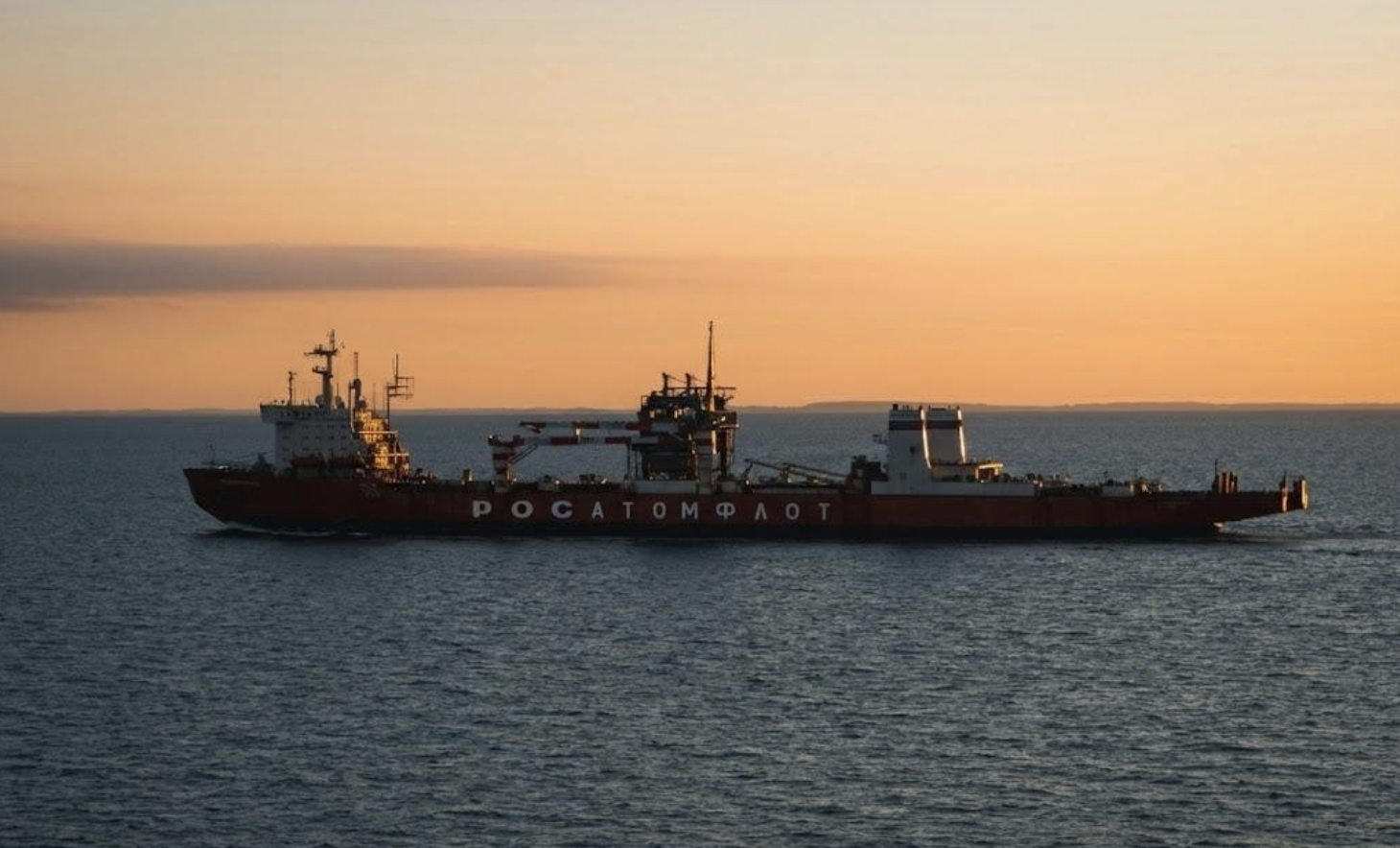
The second reason lies in the growth of Russia’s shadow fleet. Cut off from Western shipping, Russia has amassed a fleet of aging, uninsured tankers that evade sanctions by flying flags from non-price-cap-compliant states like Cameroon and Gabon, switching off their AIS transponders (which broadcast their locations), and transferring oil between ships at sea. This shadow fleet, therefore, undermines the price cap, as Russia uses these ships to sell oil to states like India and China at market prices.
A nuanced analysis of the price cap
While the price cap has clear shortcomings, its utility is not simply in its ability to bind Russia to lower oil prices, but also in the options it offers the G7/EU coalition to combat the shadow fleet. First, Russia’s shadow fleet relies on rusting, uninsured tankers that routinely pass through the ecologically sensitive coastlines of European nations. With the poor condition of the shadow fleet, many ecologists warn that the risk of an oil spill is a “when, not if” scenario. This risk provides Western nations ample justification to intercept and divert shadow tankers that threaten their environmental security, and by extension, their national security.
Second, flying flags of convenience leaves the shadow fleet vulnerable to Western use of UNCLOS Article 110. This article gives the G7 and European states the right to board ships they suspect are “stateless,” which applies when a ship uses multiple flags or flies a flag without valid registration (both of which are common for the fleet).
Finally, Western nations have argued that by switching off their AIS transponders and using ship-to-ship transfers, the shadow fleet is engaging in dangerous behavior that strips tankers of the protections of ‘innocent passage.’ Without such protection, Western nations are able, under UNCLOS, to inspect or divert such ships.
Already, Western states have taken advantage of these opportunities. In October 2025, Denmark began an inspection crackdown against Russia’s shadow fleet, citing environmental concerns. In early 2026, the French Navy detained the suspected Russian shadow tanker Grinch under the “statelessness” justification, one of several such detentions in the past year. Most consequentially, in January 2026, a group of 14 European coastal states issued a formal warning to Russia that issues of “statelessness,” AIS jamming, and ecological risk would now allow these nations to actively obstruct the shadow fleet, marking a sharp escalation in this maritime conflict.
Additionally, the price cap creates leverage for importers of Russian oil to bargain for lower prices. While a full ban would force oil importers to choose between finding new suppliers or fully supporting sanctions evasion, this price cap offers a third path. If oil importers in India and China deem the costs and risks of using the shadow fleet sufficiently high, they have an incentive to bargain with Russia to trade its oil under the cap or to demand a risk premium from Russia for evading sanctions. In both cases, Russia loses oil revenue.
Conclusion
How policymakers interpret the price cap’s impact has major consequences for the future of economic warfare. If Western officials judge the price cap by its ability to limit Putin’s war chest through a binding 60 USD ceiling, then this tool may be seen as a failed experiment for sanctions policy. However, if leaders evaluate the cap by examining the toolkit it creates for Western nations, then the price cap may mark a new age of economic statecraft: one where states weaponize their market dominance to distort prices and reshape international trade.
Edited by Margaux Zani
The opinions expressed in this article are solely those of the author, and they do not reflect the position of the McGill Journal of Political Science or the Political Science Students’ Association.
Featured image by Manuel Keller through Unsplash