The Governance of Internet Shutdowns

Amid a global rise in internet shutdowns, governments are using digital blackouts as tools of political control. This article compares India and Myanmar to show how legal oversight shapes the scope and duration of shutdowns, producing targeted disruptions in some contexts and sweeping blackouts in others. The analysis reveals that legal constraints matter not because they prevent shutdowns, but because they structure how power is exercised in a digital landscape.

Posted On :

Hungary’s Last Hope? Orban’s Challenger in the 2026 Parliamentary Election

The upcoming 2026 Hungarian parliamentary election provides a rare chance for change within the country’s illiberal political context: The Respect and Freedom Party Tisza, under the leadership of Peter Magyar, is challenging the longstanding Fidesz regime led by Hungary’s prime minister of 16 years, Viktor Orban. During Mr. Orban’s tenure, Hungary’s democratic standing has waned significantly, and Mr. Magyar appears to be the strongest chance to reverse this trend. While the opportunity that the 2026 elections present is significant and not to be ignored, it is important to recognize that the challenges facing Hungary’s democracy will not disappear after this election, as the damage done to Hungary’s democracy will take significant and sustained effort to repair.

Posted On :

Autocrats and the Succession Dilemma

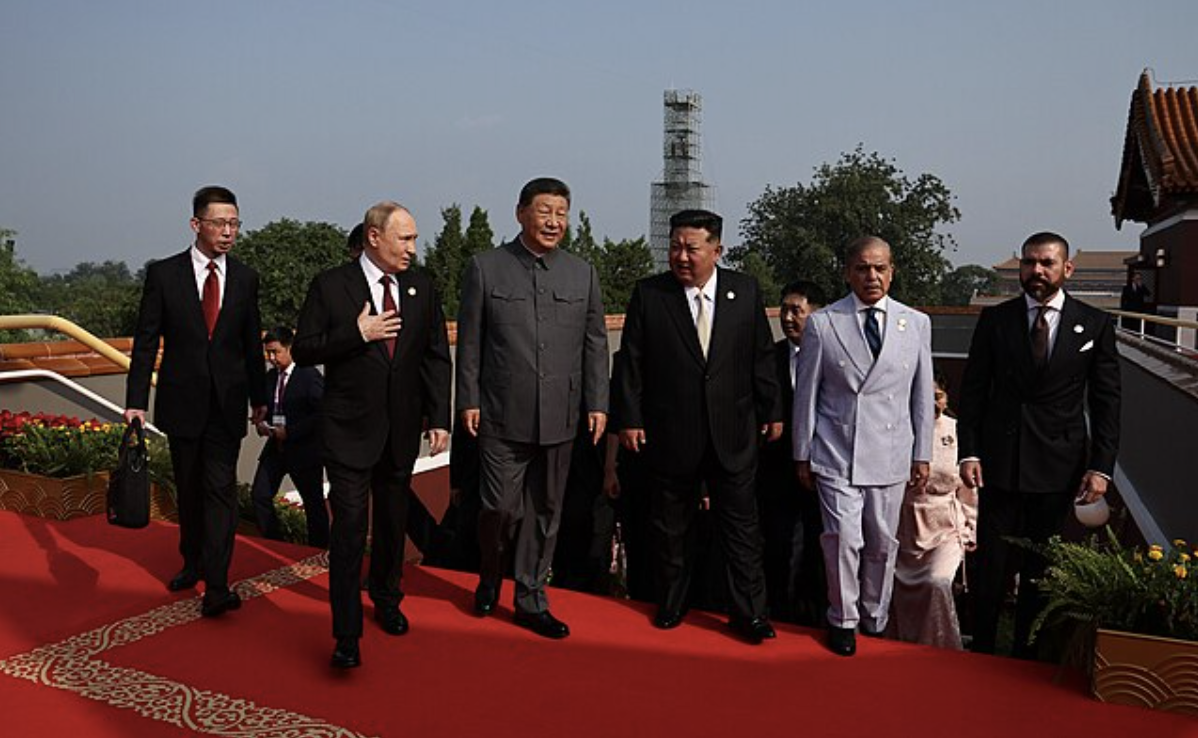
This September at China’s military parade, Russian President Vladimir Putin and Chinese President Xi Jinping were caught on a hot mic musing about living forever. Walking alongside North Korean leader Kim Jong Un, the Russian leader said, “The longer you live, the younger you become, and (you can) even achieve immortality.” In response, Chinese leader Xi Jinping said, “Some predict that in this century humans may live to 150 years old.”

Posted On :