A Risky Retreat: How American Backtracking from Climate Policy Influences the Liberal World Order

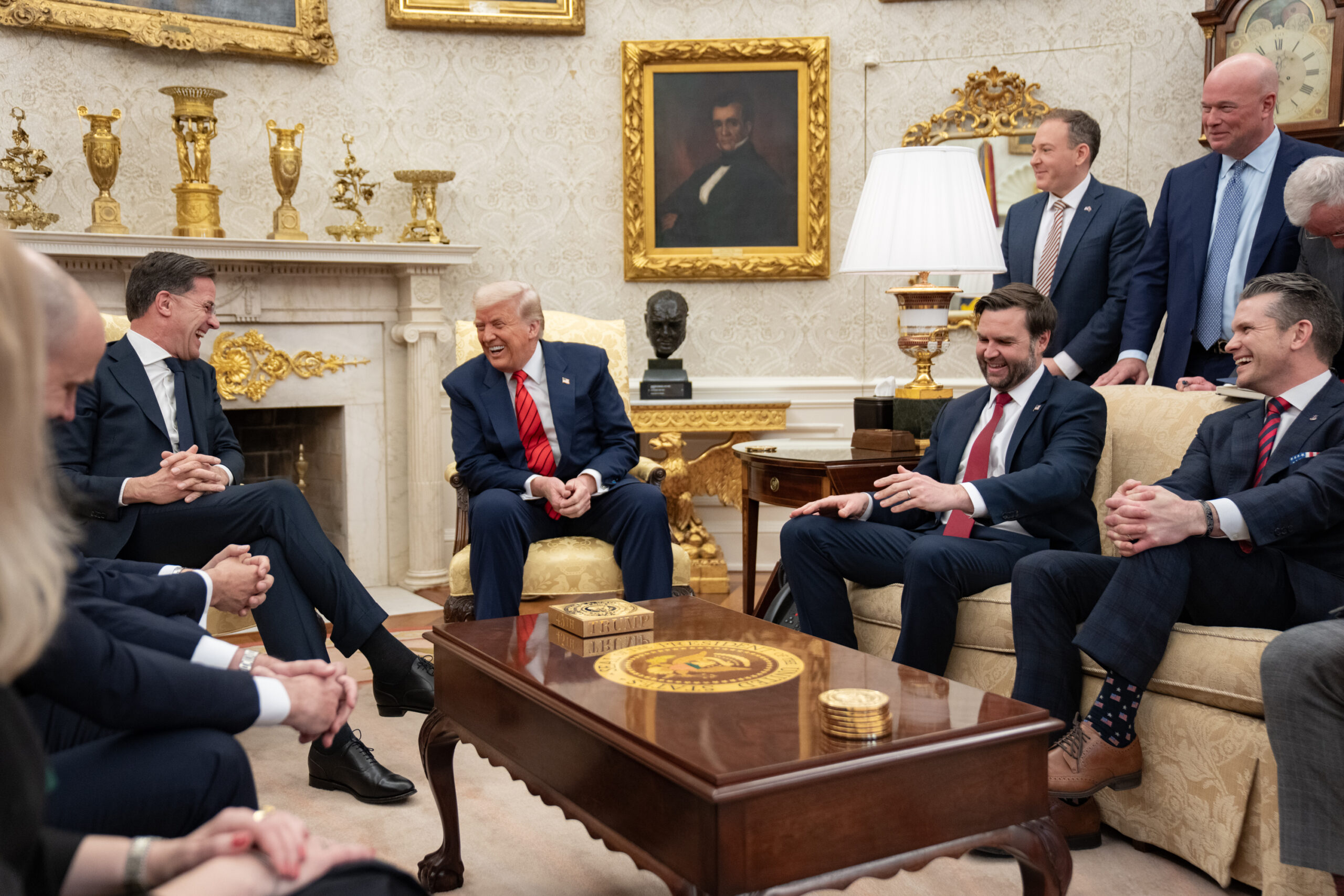
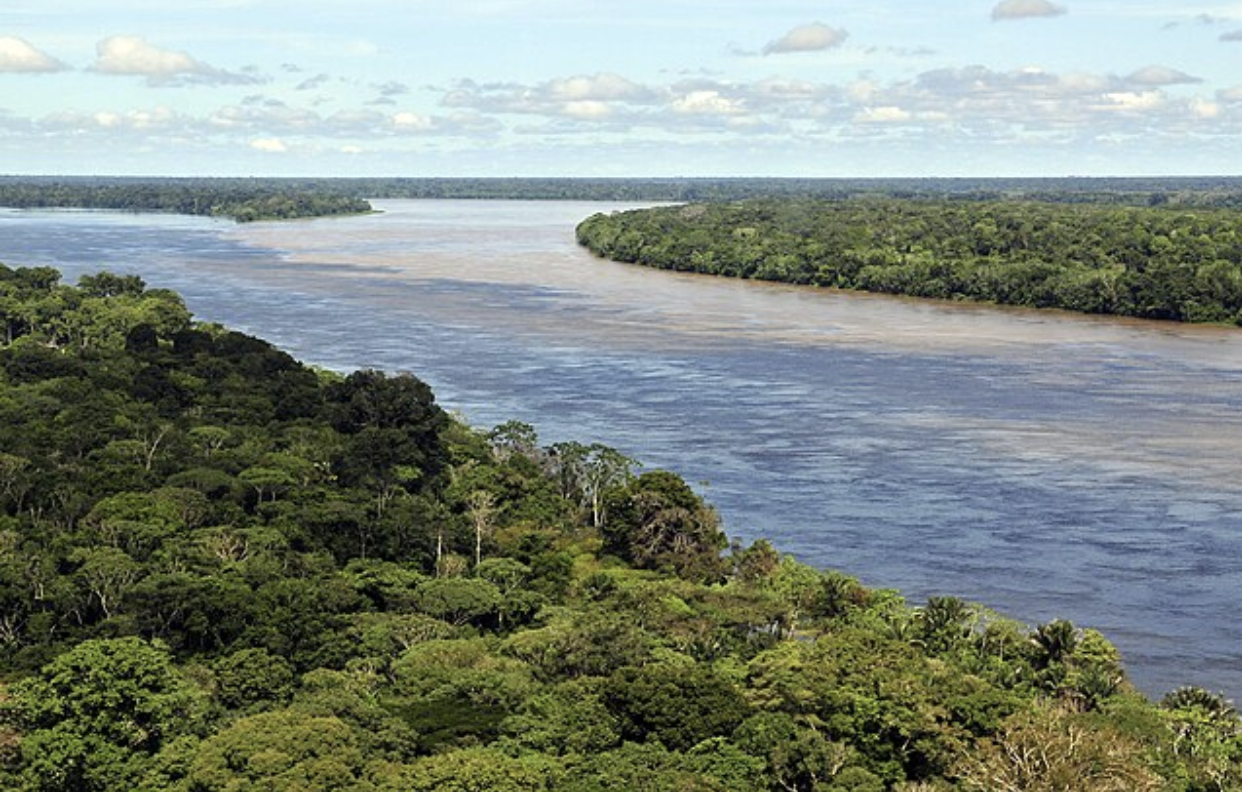
At the COP30 climate talks in Belem, Brazil, last week, global powers convened to discuss a multitude of strategies to secure favorable agreements for their economies and diplomatic relations. However, as the second-largest emitter globally, the notable absence of a high-level American delegation from the talks creates ambiguities about the future of emissions abatement, even with the progressive policy decided at the conference.

Posted On :

Examining Democratic Erosion: Can the United States Learn From Germany?

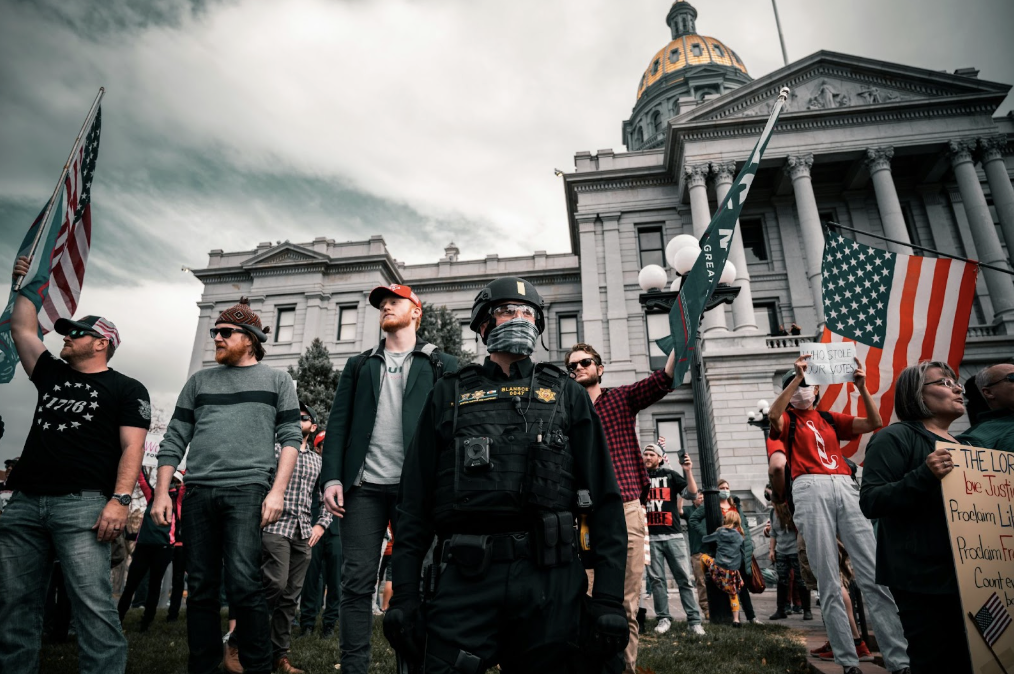
Democratic collapse is not always sudden. While a coup d’état is a clear break, democracies can be subtly dismantled through processes that erode their foundational elements. Citizens often fail to recognize a state’s descent into fascism—a political movement defined by militarism and the suppression of individual rights—until they have lost the democratic power to counter it.

Posted On :

The American Facade: Analyzing Legitimacy Issues in Donald Trump’s Clash with Venezuela

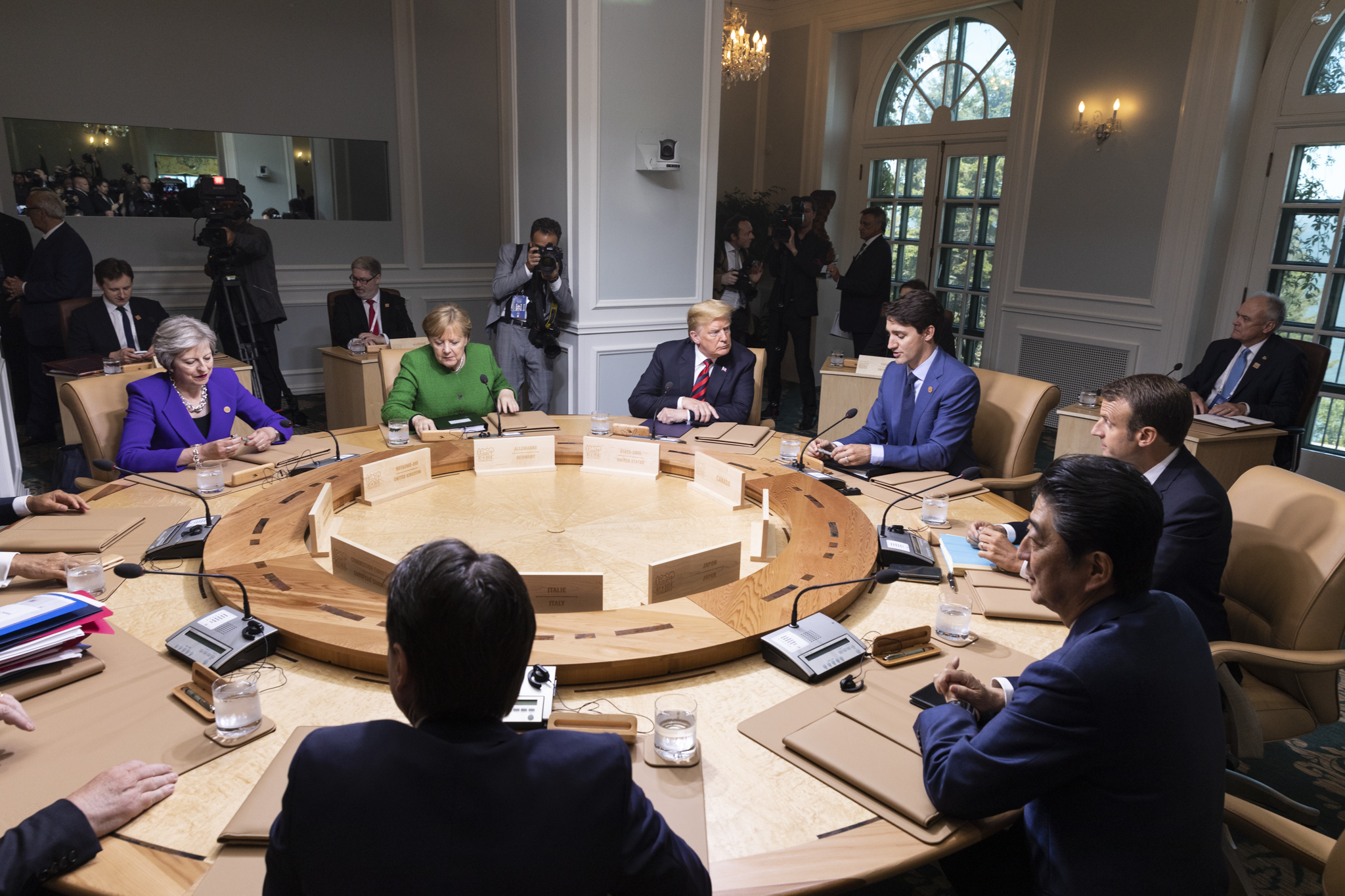
On Friday, October 24, the Pentagon announced the deployment of the USS Gerald R. Ford, one of the United States’ premier aircraft carriers, to the Caribbean Sea. This decision followed a recent uptick in Donald Trump’s battle against drug traffickers and cartels, with the U.S. conducting a series of airstrikes on boats in the Caribbean and pledging to expand operations onto Latin American soil.

Posted On :

How Trump’s Assault on Foreign Aid Jeopardizes American Interests

Upon returning to the White House, President Donald Trump leads a crusade to halt U.S. foreign aid. His swift closure of the U.S. Agency for International Development (USAID) inhibits the distribution of crucial life-saving assistance to vulnerable populations and jeopardizes strategic American partnerships in 160 regions worldwide.

Posted On :

The Politics of Distrust: Anti-Intellectualism as Laying the Groundwork for Populist Revolution

The ever-expanding tide of populist discourse and behaviour casts a shadow over the political landscape of the 21st century. This unquestionable swell of populist sentiment among national leaders has increasingly converged with another ideological weapon: anti-intellectualism. Defined loosely as an “opposition or hostility to intellectual reasoning,” this ethos has rapidly spread across the west, and has been purposefully cultivated within the American electorate. Specifically, issues such as government response to Covid-19, global climate change, and immigration reform have been brought to the forefront of political debate, only to be engaged with in bad faith for political triumph in the country’s ongoing “culture war.” This article will examine the campaign and general approach of populist leader President Donald J. Trump. This will be done through the lens of this dual-weapon strategy and the use of concepts issued from the works of Hannah Arendt.

Posted On :

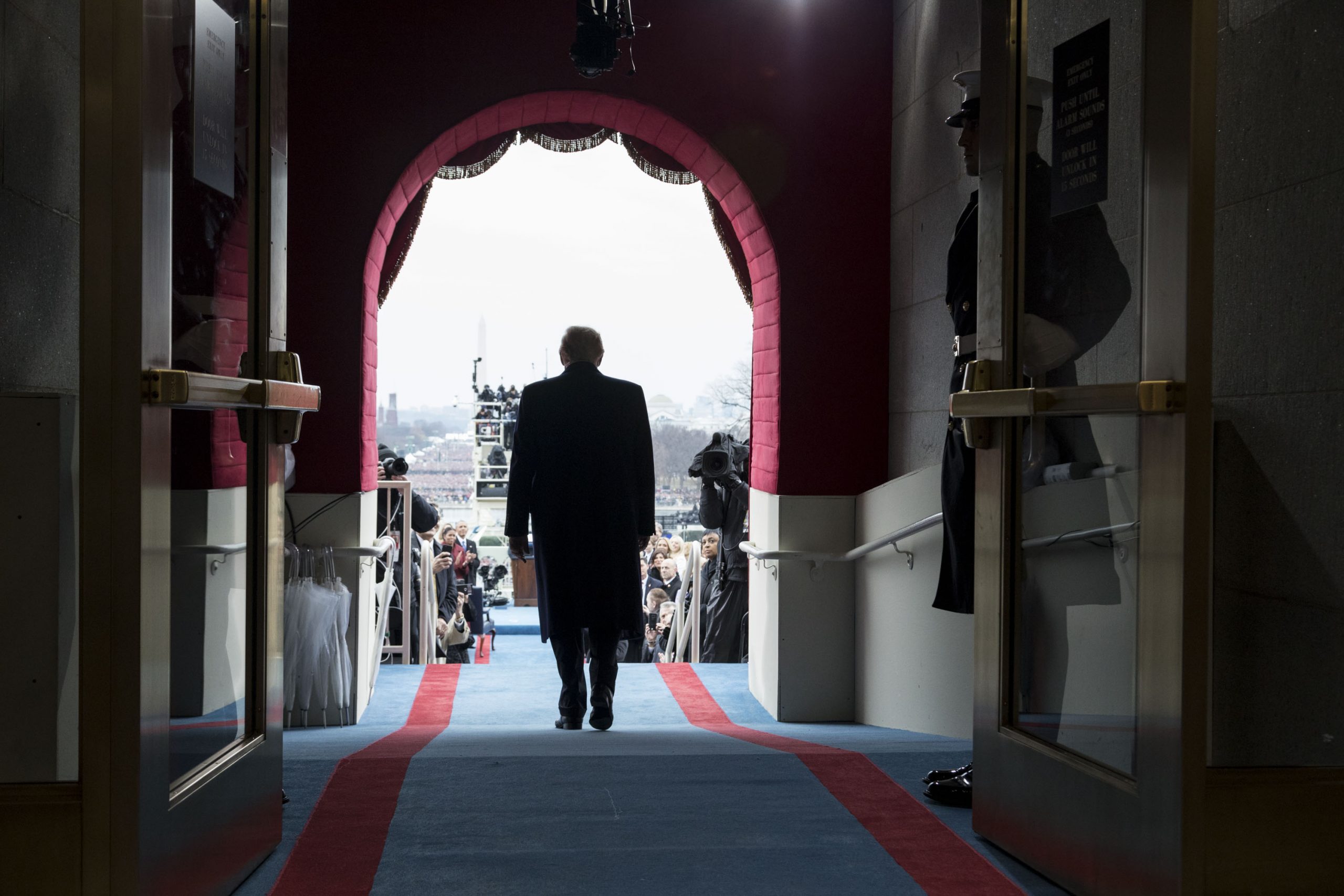
An Optimistic Look at the Diplomatic Landscape Inherited by Trump

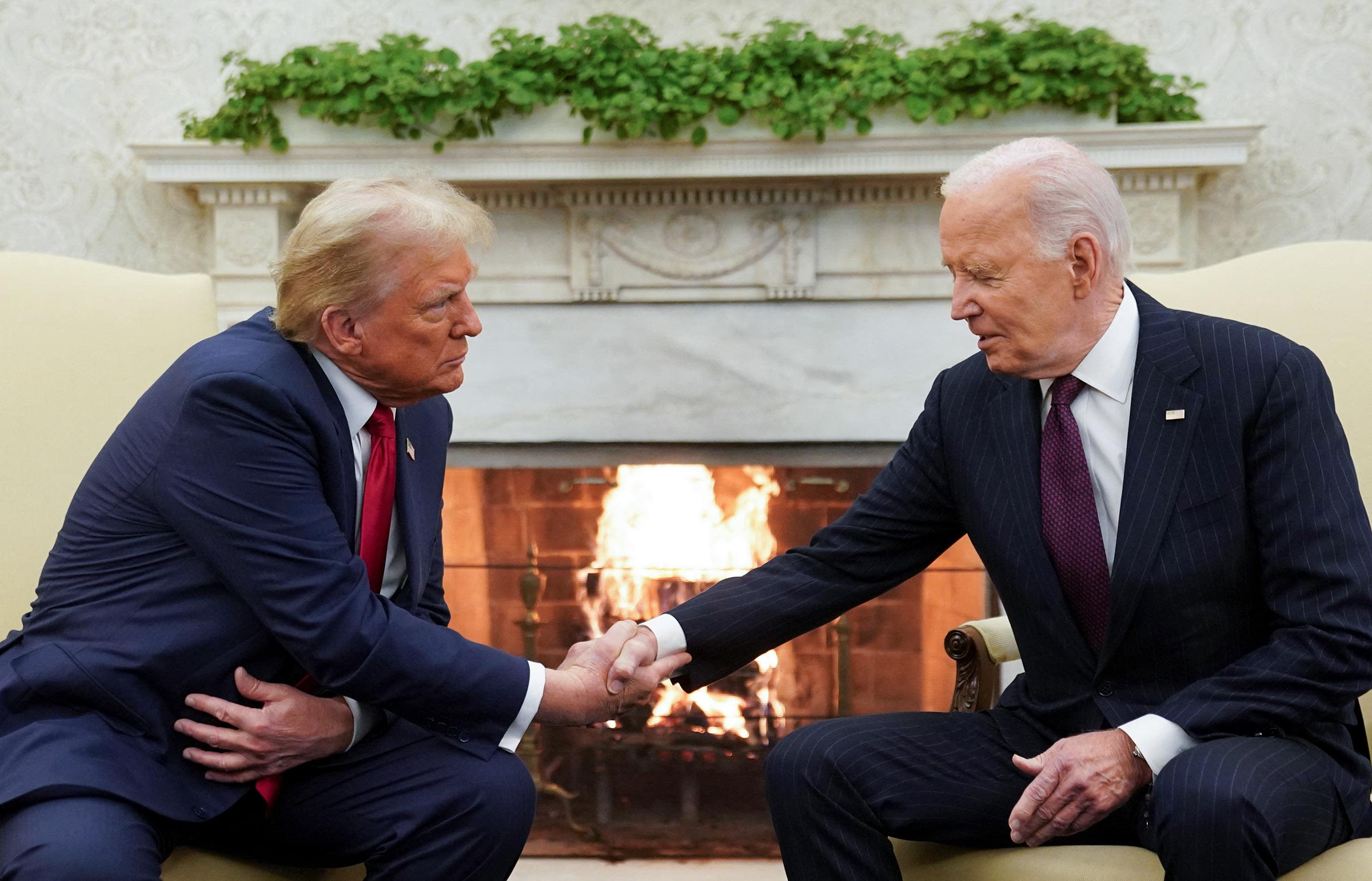
The United States’ position has shifted greatly since 2017, in many ways stronger than it has been in more than a decade. The Biden administration is handing off a historically strong economy, with among the highest growth rates in the developed world in which the US has maintained its lead in technology, and a promising international landscape in which the U.S. possesses the upper hand in negotiations with enemies and allies alike.

Posted On :

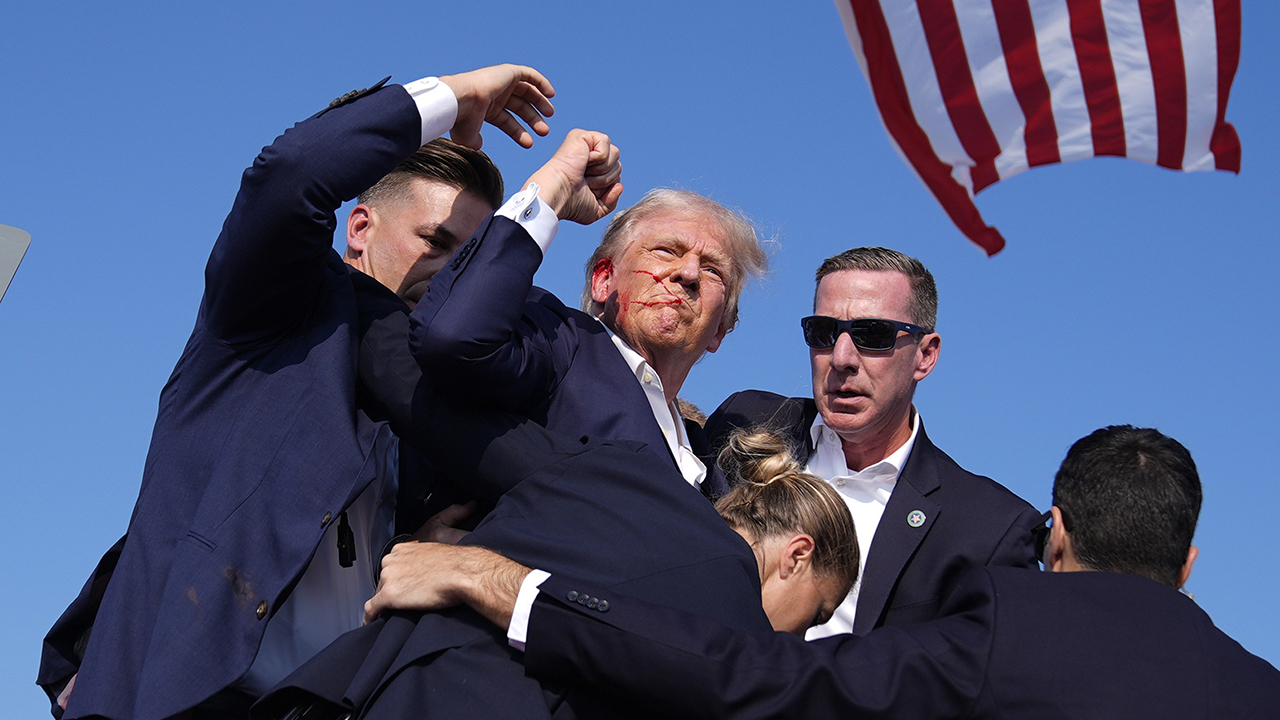
Trump’s Divine Mission: Charismatic Authority and the Politics of Persecution

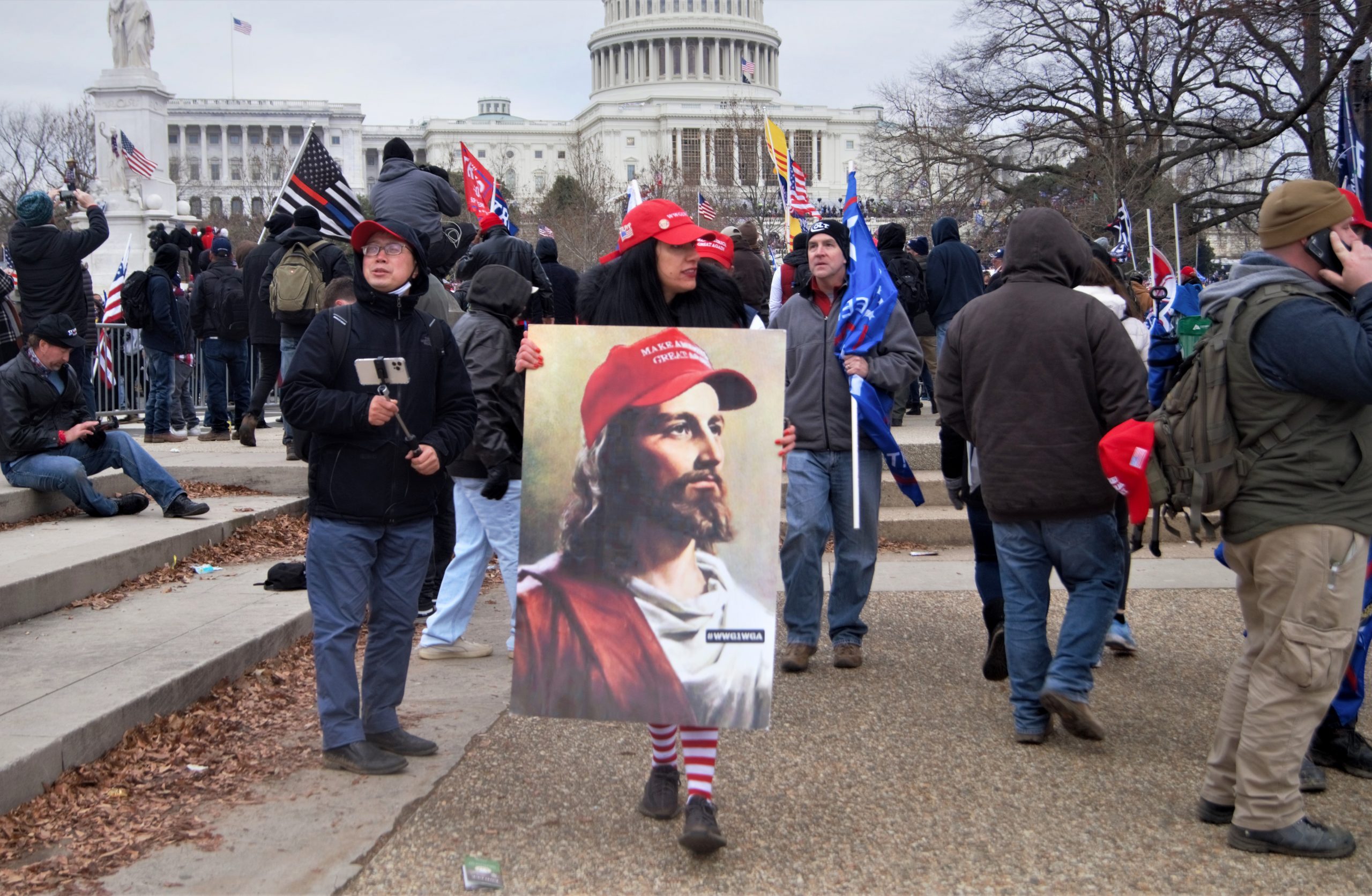
Once simply a celebrity businessman, Trump has transformed into a figure of near-divine significance for his staunch supporters. He is not simply a political leader but a saviour who stands against what his followers perceive as rampant corruption within judicial institutions, the political process and the government itself.

Posted On :