Dirty Hands: The Politics of Morality
“Dirty Hands” refers to the idea that the right political action can conflict with profound morality. The term was first coined by Jean-Paul Sartre in his 1948 play, Dirty Hands. More
Getting the Insight Out
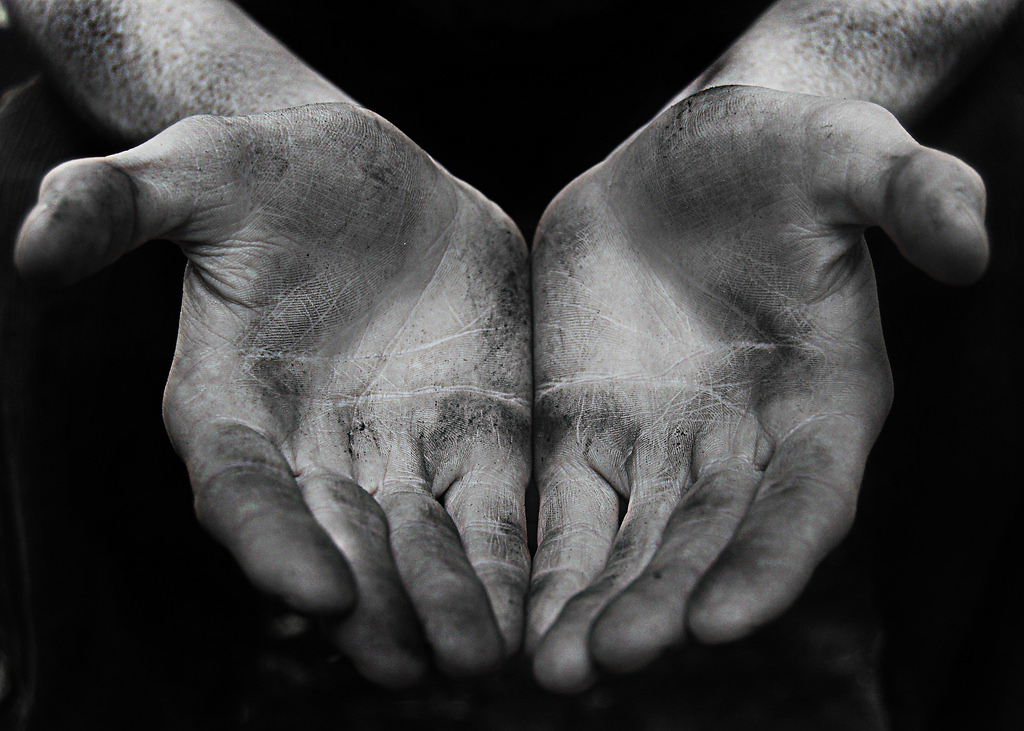
“Dirty Hands” refers to the idea that the right political action can conflict with profound morality. The term was first coined by Jean-Paul Sartre in his 1948 play, Dirty Hands. More
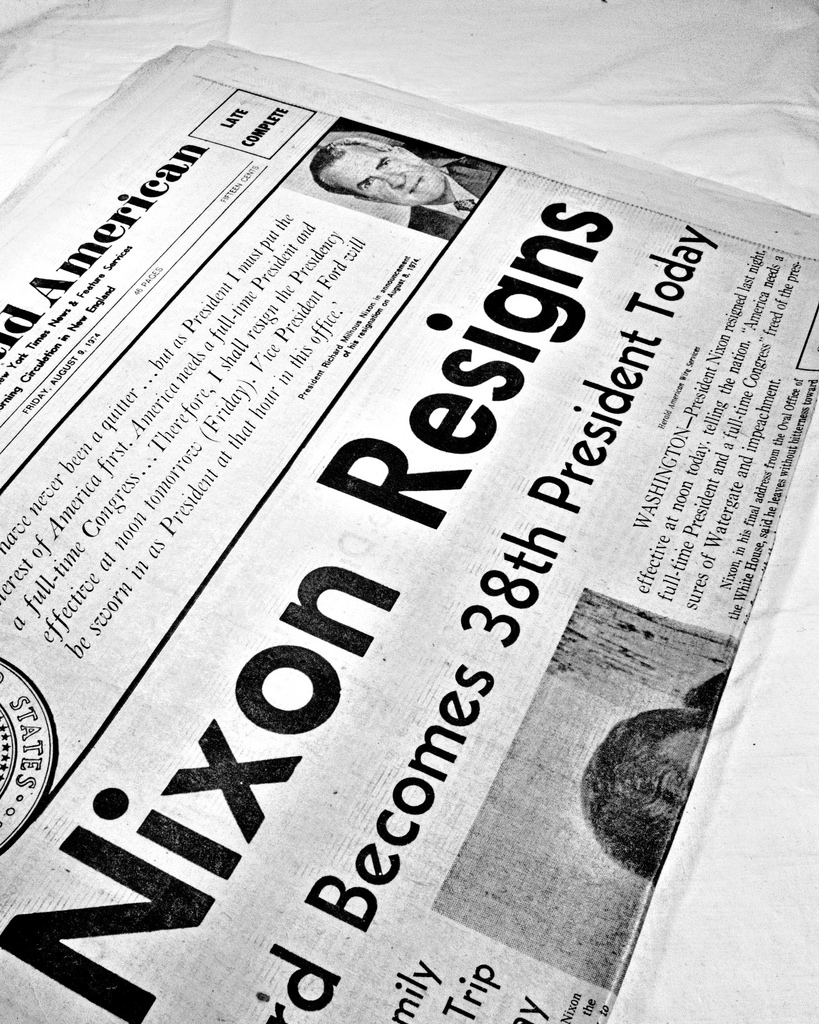
On the morning of October 27th 1787, a trio of New York newspapers, including the Independent Journal, published the first of a series of articles that would eventually become the More
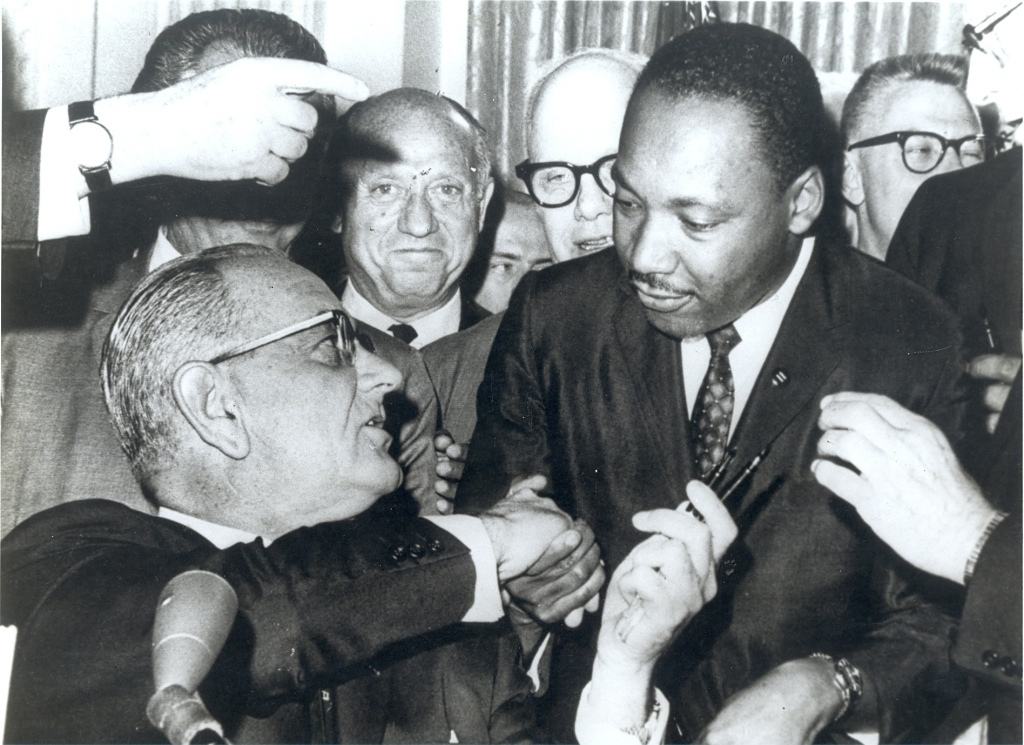
The concept of civil disobedience, loosely defined as a non-violent uprising of citizens against a higher authority, first originated in the writings of Henry Thoreau in his essay Civil Disobedience. More
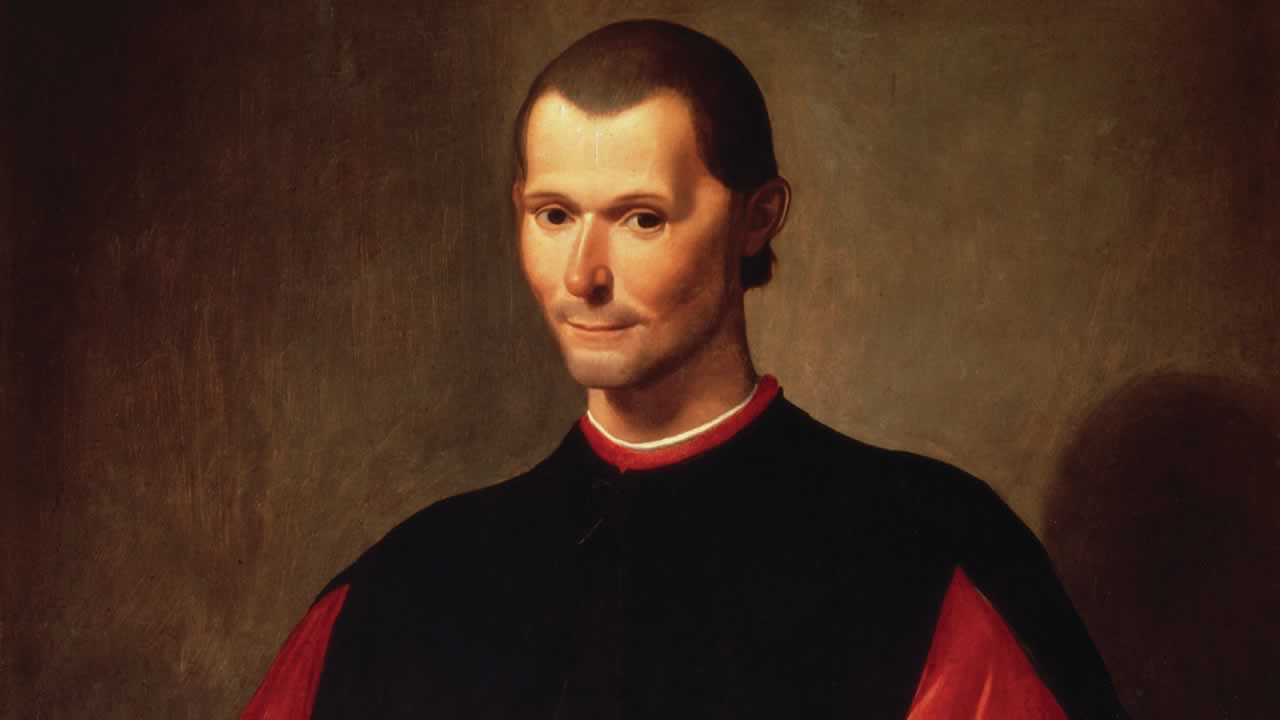
The name Machiavelli often elicits an image of cruelty and the mantra of “the ends justify the means,” as outlined in his magnum opus The Prince. It was written in More
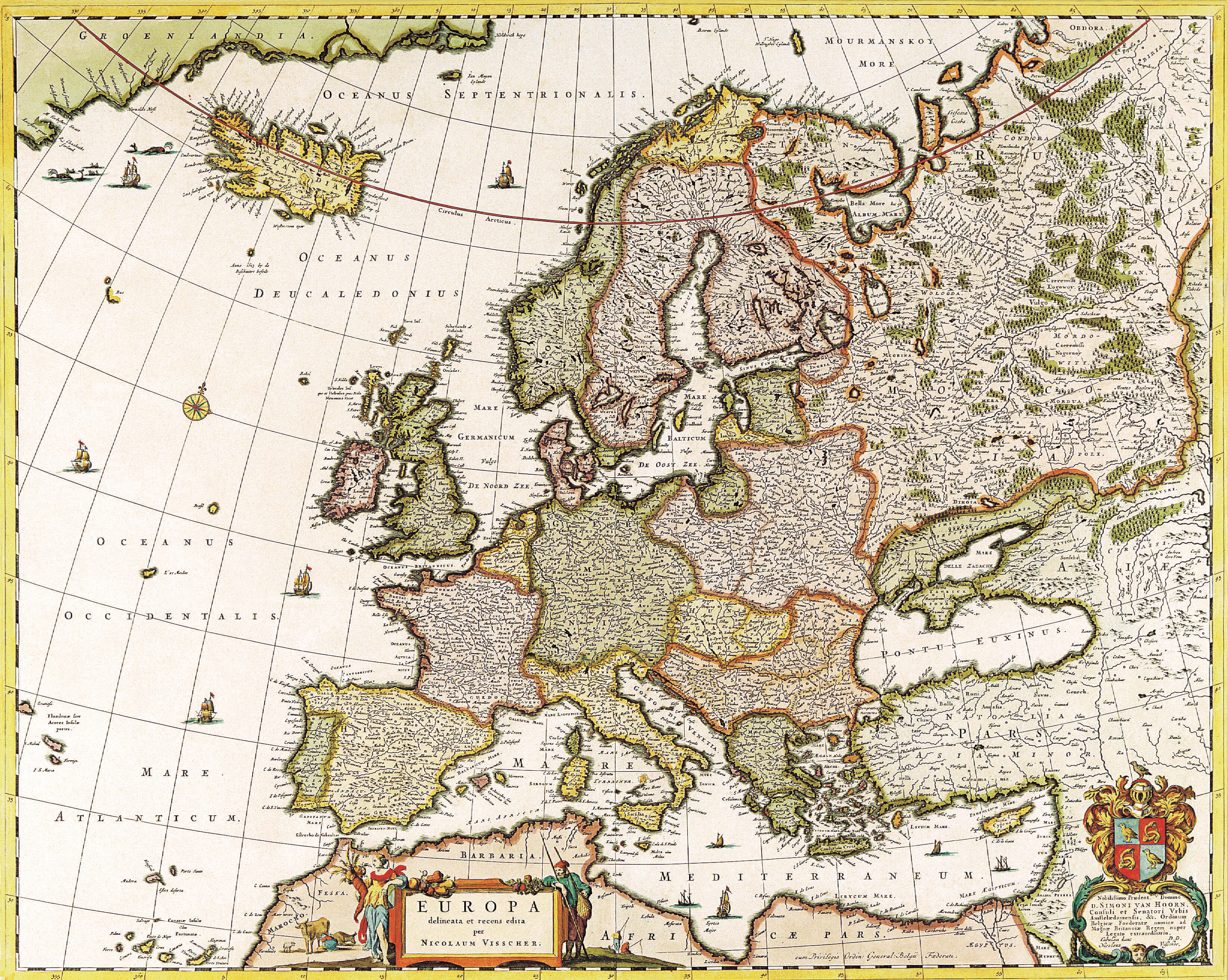
A historical overview of the Rise of Nationalism, and nationalism’s role in the formation of modern Europe.

The belief that democracy is not a perfect system of government has been articulated by both political theorists and regular citizens, and is a recurrent motif in public discourse after More

Debating the merits of plutocracy: a government by the wealthy
Weighing the benefits and dangers
Religious and Natural Wars