Transforming Grievances Into Sovereignty Movements

This article compares Quebec’s independence movement with Alberta’s contemporary sovereignty discourse. It argues that strong cultural nationalism and institutional cohesion are key factors in streamlining regional grievances into viable independence movements. Quebec’s sovereignty campaign was rooted in a distinct linguistic identity and organized through established political parties, allowing it to nearly achieve secession in 1995. Alberta’s movement, by contrast, is primarily driven by economic grievances and lacks comparable identity formation and party organization, limiting its political traction.


Posted On :
Category:

The Normalization of Corrupt Practices? Examining Canadian Responses to Political Scandals

Two recent political scandals where corruption is suspected, the Greenbelt scandal and the AHS scandal, provoked minimal change in voter intention among the populations they impacted. This article explores these scandals, the public reaction to them and the factors which might be able to explain their negligible effect on political support.

Posted On :
Category:

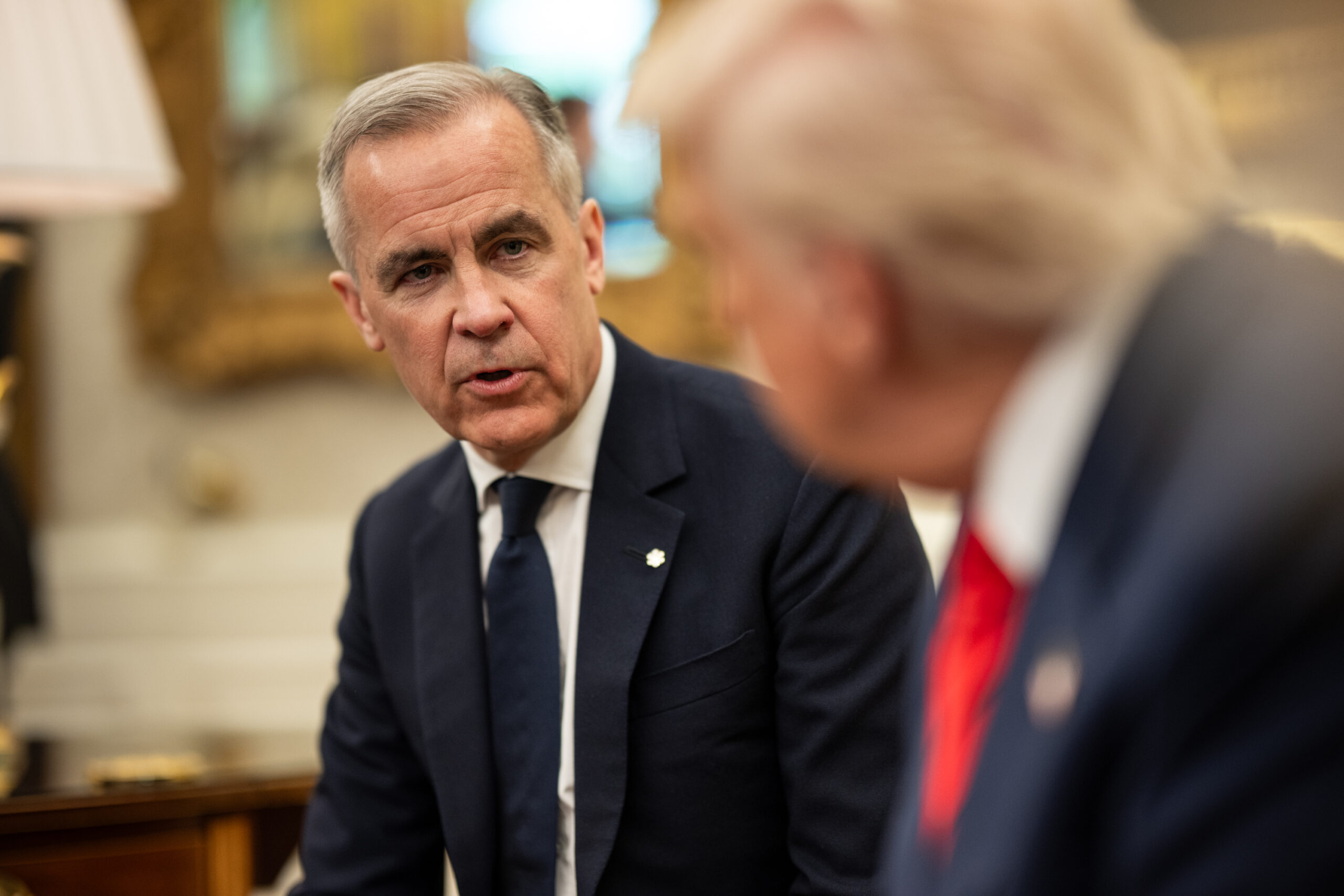
Manufacturing Sovereignty: Canada’s Defence Industrial Strategy and the Middle Power Paradox

Canada’s Defence Industrial Strategy correctly recognizes that sovereignty must be rebuilt through industrial capacity, but its “Build-Partner-Buy” model risks conflating national economic priorities with military effectiveness. As Canada is a middle power whose security has always depended on alliances, this article argues that strategic autonomy must prioritize diversification in military supply and specialization.

Posted On :

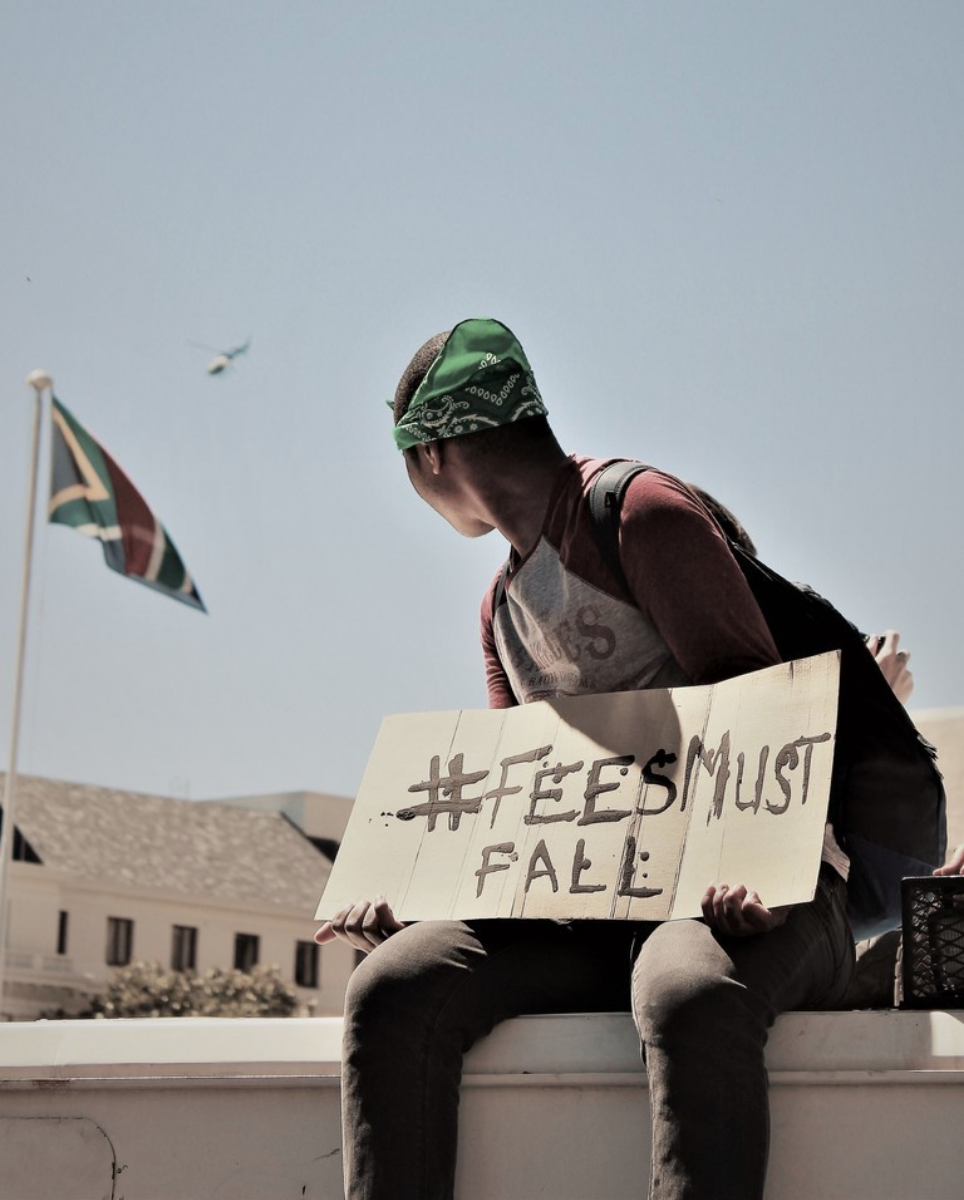
Epistemology and Self-Bound Limitations on the Political Imagination

Ph. D candidate Godesulloh Bawa’s Youtube miniseries explores the shape of African philosophy readily intersected with politics through the examination of the language that structures epistemology. In saying “hunting difference is not the aim of philosophy,” Godesulloh raises deeper questions about the political outcomes of unquestioned epistemology. What thought processes are utilized, and what do they hide when employed? What is privileged by demarcating units of analysis like ‘Africa’ and ‘Europe’ and what do these distinctions imply for the practice of political theory?

Posted On :

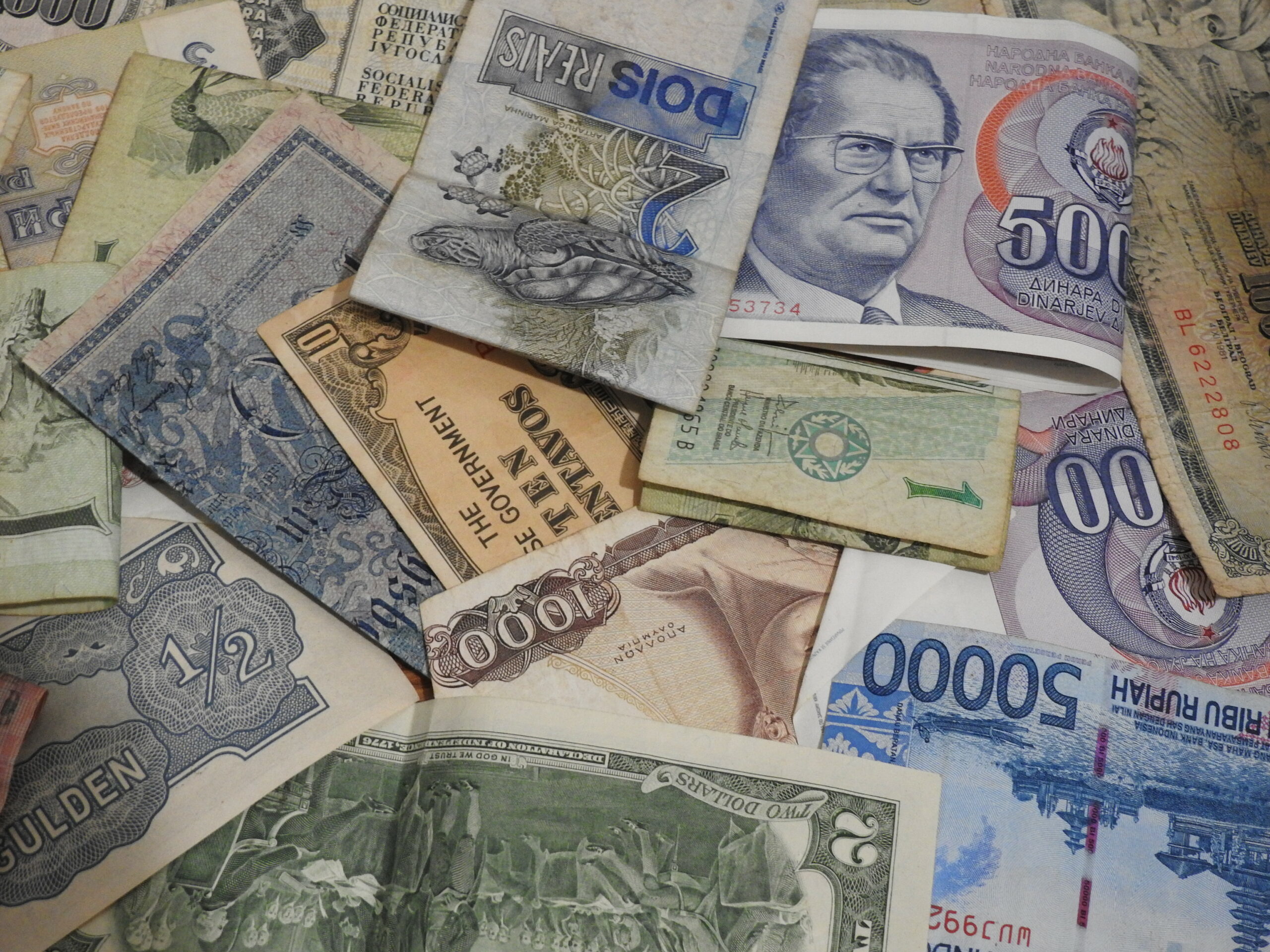
The International Dimensions of Financial Nationalism

Financial nationalism is a form of economic nationalism where a state uses fiscal and monetary policy as instruments to further nationalist goals of unity, identity, and autonomy. Financial nationalists have to balance the pursuit of nationalist policy goals in areas such as citizenship and security with monetary and fiscal structures that are inherently international.

Posted On :