What Merit Principle? Poilievre on DEI’s Displacement of an Old Canadian Way

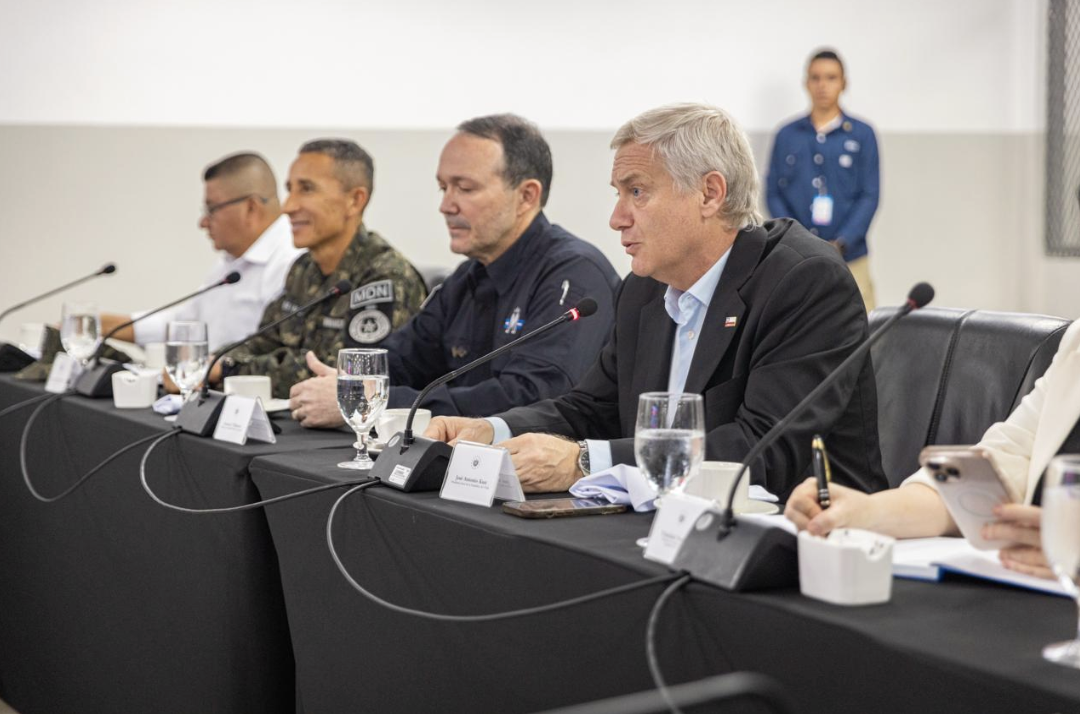
This article interrogates the concept of meritocracy through its etymological evolution from dystopic prophecy to political buzzword. Mainstream iterations of meritocracy and the so-called “merit principle” assume its moral goodness, yet the term(s) are far more complicated than they are traditionally represented. This article argues against Pierre Polievre’s assertion that DEI has somehow displaced the Canadian merit principle by nuancing meritocracy and problematizing the implied claim that Canada has a history of fair opportunity. (A companion piece to last month’s analysis of ‘DEI-bureaucracy’ and its practical implementation in Canada).

Posted On :
Category:

The “Nuclear Option”: How the Notwithstanding Clause Became a Constitutional Threat

The Protecting Alberta’s Children Statutes Amendment Act (Bill 9) amends three laws that restrict the rights of transgender youth and adults within healthcare, education, and sports. Alberta has invoked the notwithstanding clause in Bill 9, barring judicial review of the latter. This bill will specifically limit gender-affirming treatment for transgender youth, ban transgender participation in women’s sports, and require parental consent for name and pronoun changes in school. This article will discuss how the notwithstanding clause has evolved over the last forty years, leading to increasingly tyrannical and preemptive uses enabling discrimination towards minorities in Canada.

Posted On :

Venezuela After Maduro: Are Venezuelans “Better Off”? 

An article that explores what
Venezuela’s political landscape may look like in the
wake of Nicolas Maduro’s removal. Following the
placement of Delcy Rodríquez as Venezuela’s interim
president by the U.S., will the repression present under
Maduro’s leadership continue, or will opposition parties
take this as an opportunity to expand their roles?

Posted On :
Category:

New Canada-China Strategic Partnership: The Regional Politics Behind Canada’s Auto and Canola Sectors

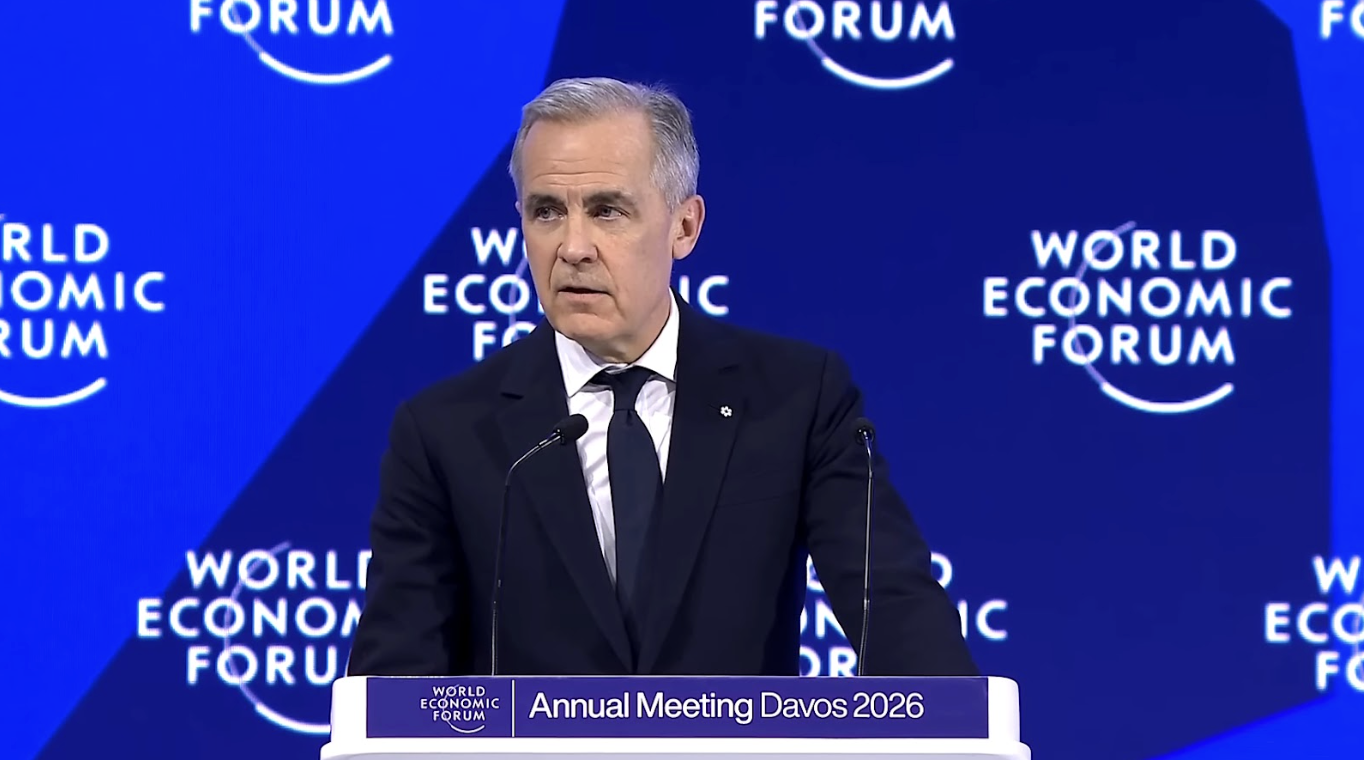
On January 16, 2026, PM Mark Carney (Nepean, Ont.) reached an agreement-in-principle with The People’s Republic of China. This strategic partnership has been successful in reducing import duties on Canadian canola products, but has had some opposition from Ontario Premier Doug Ford, as tariffs on electric vehicles (EVs) made in China will be reduced. However, this article argues that China may not present as big a threat to Ontario as is portrayed by Mr. Ford.

Posted On :

Hungary’s Last Hope? Orban’s Challenger in the 2026 Parliamentary Election

The upcoming 2026 Hungarian parliamentary election provides a rare chance for change within the country’s illiberal political context: The Respect and Freedom Party Tisza, under the leadership of Peter Magyar, is challenging the longstanding Fidesz regime led by Hungary’s prime minister of 16 years, Viktor Orban. During Mr. Orban’s tenure, Hungary’s democratic standing has waned significantly, and Mr. Magyar appears to be the strongest chance to reverse this trend. While the opportunity that the 2026 elections present is significant and not to be ignored, it is important to recognize that the challenges facing Hungary’s democracy will not disappear after this election, as the damage done to Hungary’s democracy will take significant and sustained effort to repair.

Posted On :

Protection for Whom? Gender-Based Violence Under Canada’s Asylum Reforms

Canada positions itself as a global leader in refugee protection, emphasizing humanitarian commitment and adherence to international norms. Its asylum system is widely understood as generous and rights-respecting; however, its reputation hides a harsher truth about whom it is ultimately designed to protect. This article argues that Canada’s asylum framework does not simply fall short for women fleeing violence but actively turns survivorship itself into a legal liability. Through stricter procedural timelines and early screening mechanisms, the potential emergence of Bill C-12 treats experiences shaped by trauma and dependency as procedural risk rather than recognized harm. By examining how claims shaped by violence move through Canada’s asylum process, humanitarian leadership is revealed to coexist with policies that quietly reproduce gendered exclusion.

Posted On :