Autocrats and the Succession Dilemma

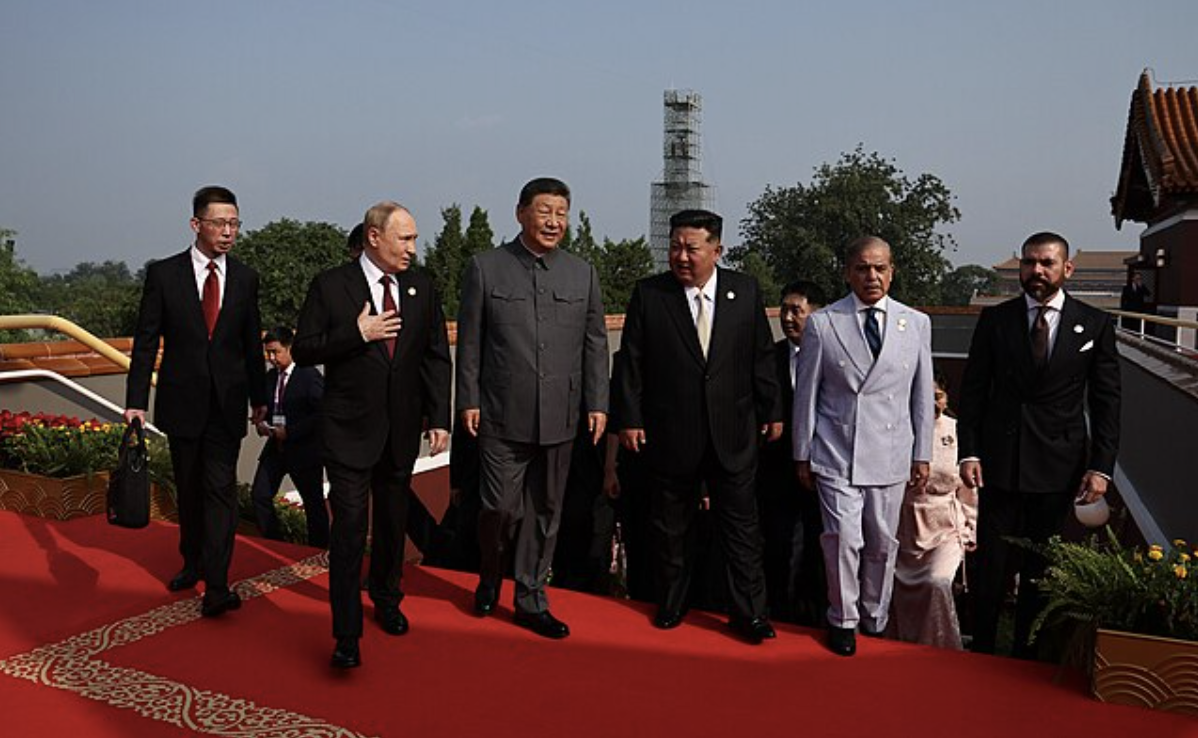
This September at China’s military parade, Russian President Vladimir Putin and Chinese President Xi Jinping were caught on a hot mic musing about living forever. Walking alongside North Korean leader Kim Jong Un, the Russian leader said, “The longer you live, the younger you become, and (you can) even achieve immortality.” In response, Chinese leader Xi Jinping said, “Some predict that in this century humans may live to 150 years old.”

Posted On :

A Risky Retreat: How American Backtracking from Climate Policy Influences the Liberal World Order

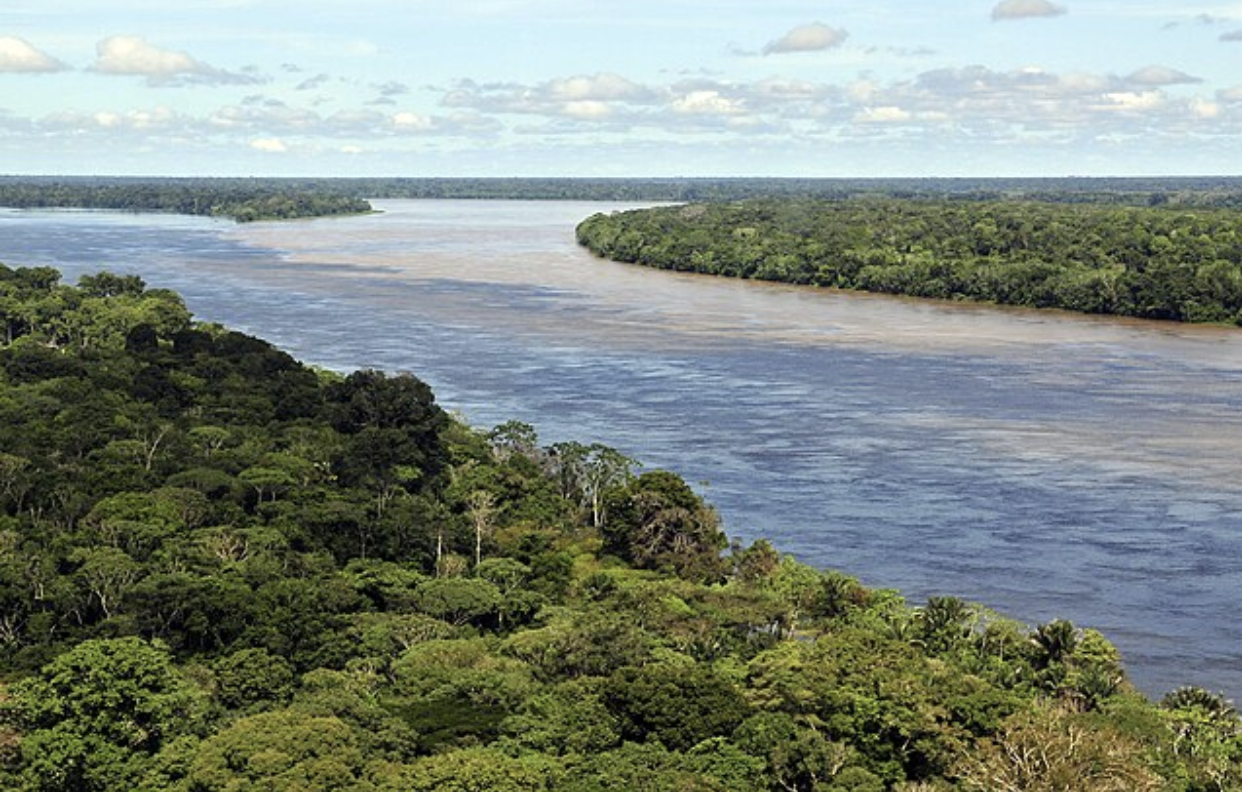
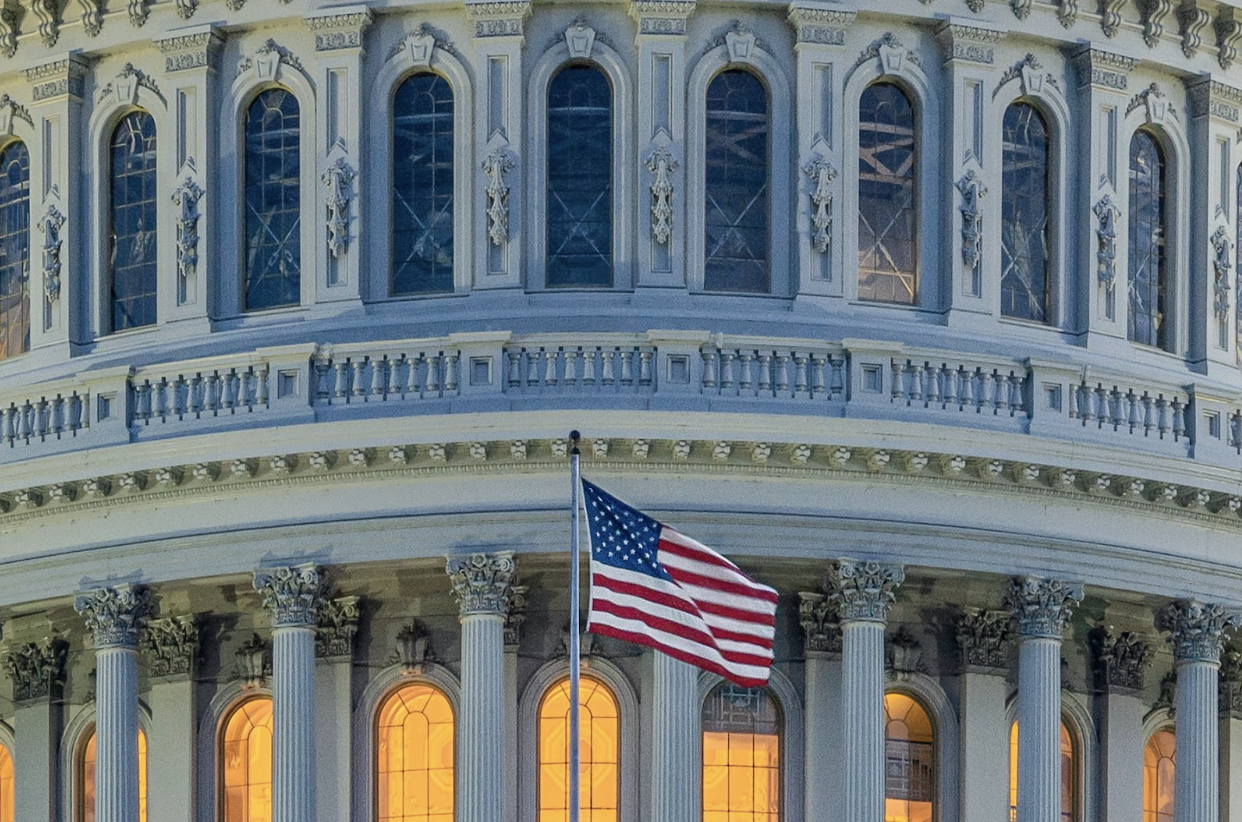
At the COP30 climate talks in Belem, Brazil, last week, global powers convened to discuss a multitude of strategies to secure favorable agreements for their economies and diplomatic relations. However, as the second-largest emitter globally, the notable absence of a high-level American delegation from the talks creates ambiguities about the future of emissions abatement, even with the progressive policy decided at the conference.

Posted On :

The American Facade: Analyzing Legitimacy Issues in Donald Trump’s Clash with Venezuela

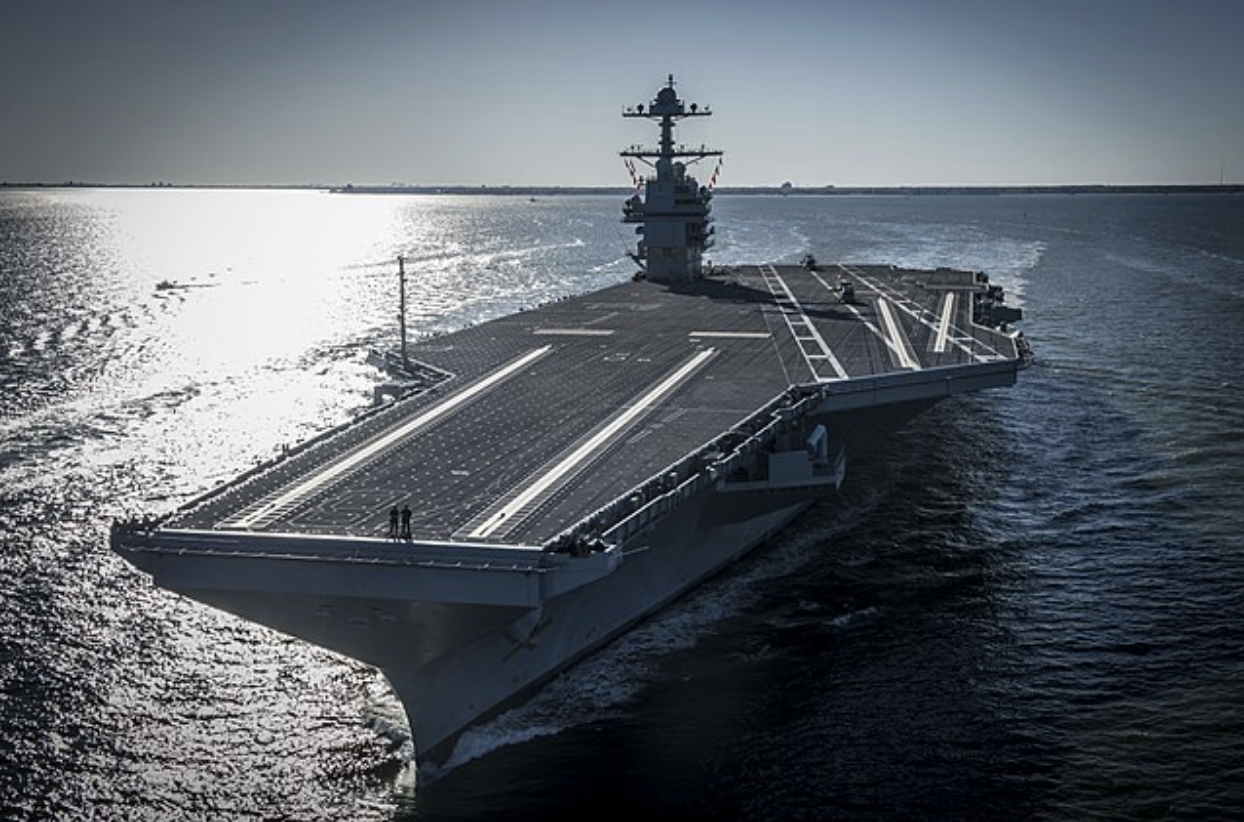
On Friday, October 24, the Pentagon announced the deployment of the USS Gerald R. Ford, one of the United States’ premier aircraft carriers, to the Caribbean Sea. This decision followed a recent uptick in Donald Trump’s battle against drug traffickers and cartels, with the U.S. conducting a series of airstrikes on boats in the Caribbean and pledging to expand operations onto Latin American soil.

Posted On :

Revolt, Reset, Repeat: The Protest Cycle of the Global South

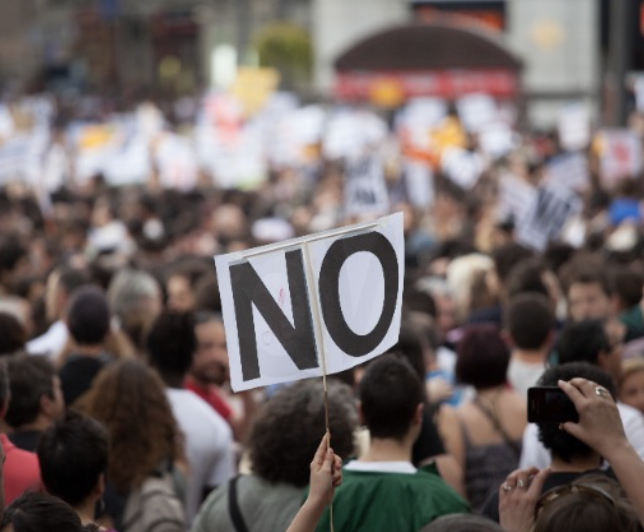
Hope for meaningful change fuels youth-led protests across the Global South. Though portrayed as the dawn of a new era, these movements echo earlier waves of mobilization such as the 2011 Arab Spring and the 2019 demonstrations. While they briefly shake regimes, structural vulnerabilities and power vacuums often restore the status quo, sustaining a recurring cycle of rebellion and repression.

Posted On :

The Speculation Arms Race: How Venture Capital is Creating Security Dilemmas Before Weapons Exist

In international relations, a security dilemma refers to a situation where a state’s increase in its capabilities – in technology or defence – is perceived as a threat by a rival, which spurs their own capabilities development, resulting in an arms race. Historically, this phenomenon has depended on government-funded research in both the public and private spheres, thereby facilitating the development of proven capabilities, such as a new form of weapon. Once proven, procurement and increased capabilities occur. Today, as countries race to develop their AI capabilities, venture capital speculation in defence technology is creating a security dilemma before capabilities actually exist, driven by market logic rather than strategic necessity. This article does not suggest that speculation replaces traditional security dilemmas, but rather that it introduces novel mechanisms —market signals and venture capital speculation —through which the same logic of reciprocal insecurity operates.

Posted On :

Erasing the Citizen: Civil Death and the Erosion of Human Rights in Nicaragua

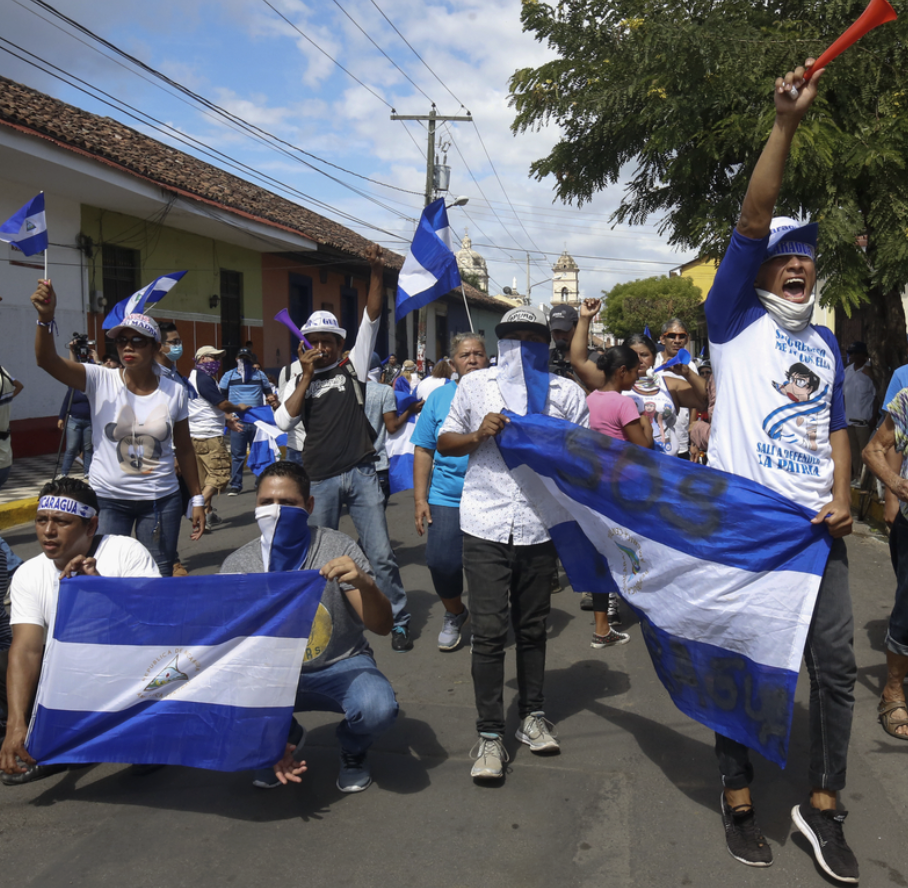
Nicaragua’s Ortega-Murillo regime has weaponized Civil Death–the erasure of citizenship and legal identity–to silence dissent and consolidate power. By revoking nationality, deleting records, and seizure of property, the Nicaraguan regime’s repression has extended beyond its borders. Through Risse and Ropp’s “Spiral Model” of human rights norms, this paper argues that Nicaragua’s shirking of international accountability demonstrates a broader regression in norm internalization. Thus, Civil Death in Nicaragua serves as an instrument of both human rights and authoritarian control.

Posted On :