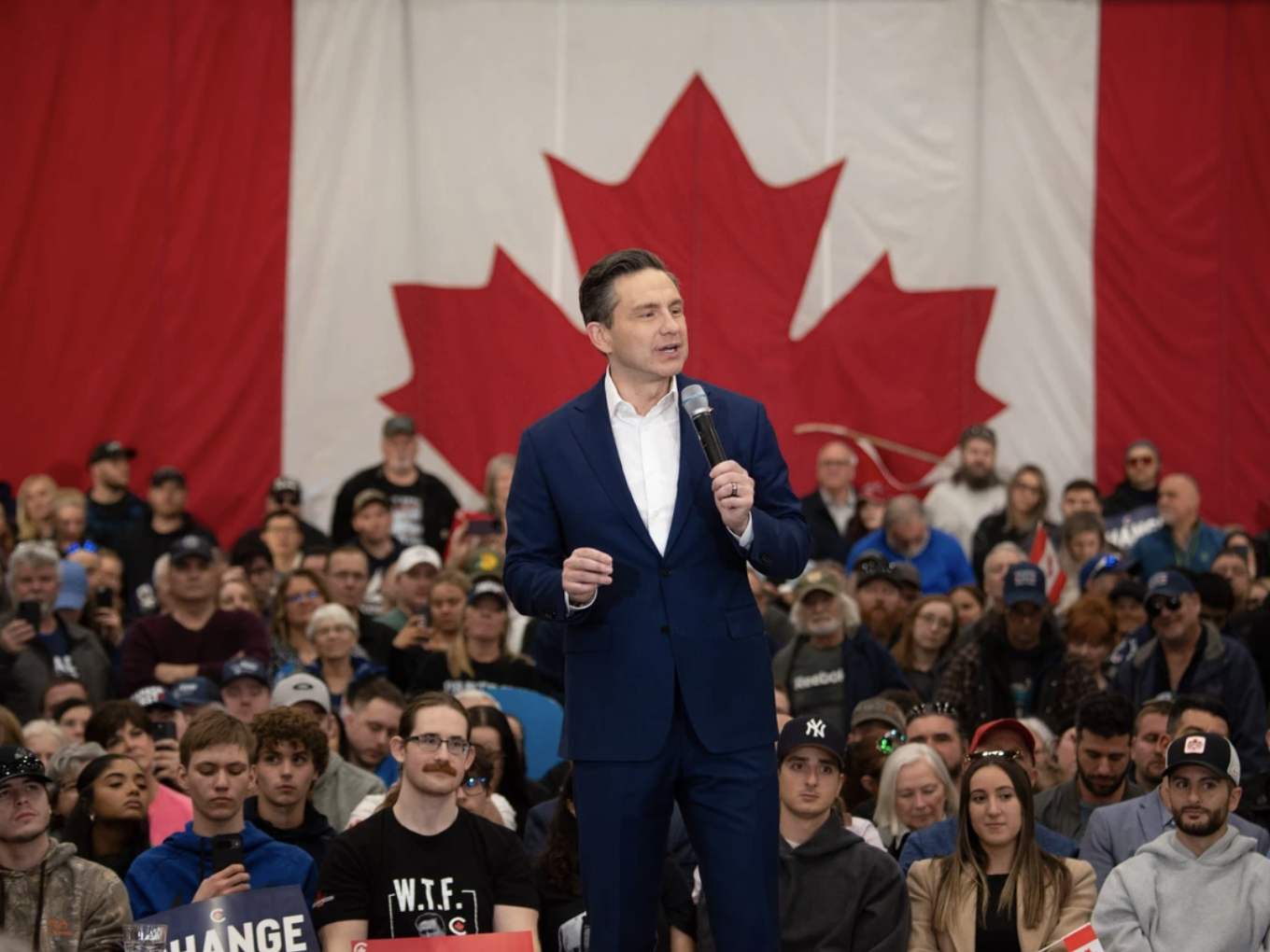
Canada’s Study Permit Cap: How Universities Are Bracing for a New Financial Reality

This article discusses the government’s cap on new study permits and its financial impact on universities across Canada. The cut in 2025, with a much sharper reduction signalled for 2026, is drastically affecting operating budgets, resulting in job losses and limiting research capabilities at Canadian universities. It explores whether universities can pivot away from a high reliance on international tuition, or whether this will continue to cause financial issues as cuts become more drastic.

Posted On :

Examining Democratic Erosion: Can the United States Learn From Germany?

Democratic collapse is not always sudden. While a coup d’état is a clear break, democracies can be subtly dismantled through processes that erode their foundational elements. Citizens often fail to recognize a state’s descent into fascism—a political movement defined by militarism and the suppression of individual rights—until they have lost the democratic power to counter it.

Posted On :

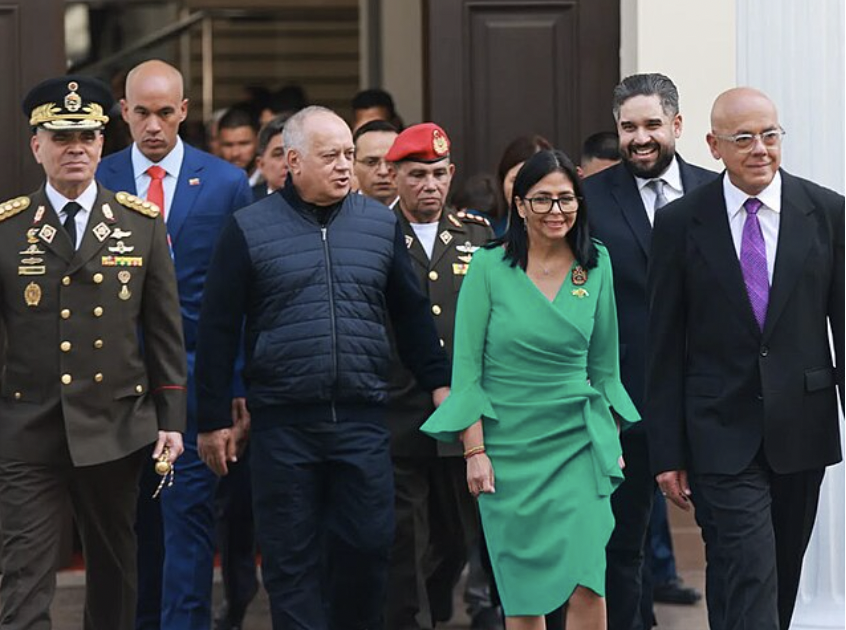
The American Facade: Analyzing Legitimacy Issues in Donald Trump’s Clash with Venezuela

On Friday, October 24, the Pentagon announced the deployment of the USS Gerald R. Ford, one of the United States’ premier aircraft carriers, to the Caribbean Sea. This decision followed a recent uptick in Donald Trump’s battle against drug traffickers and cartels, with the U.S. conducting a series of airstrikes on boats in the Caribbean and pledging to expand operations onto Latin American soil.

Posted On :
Category:

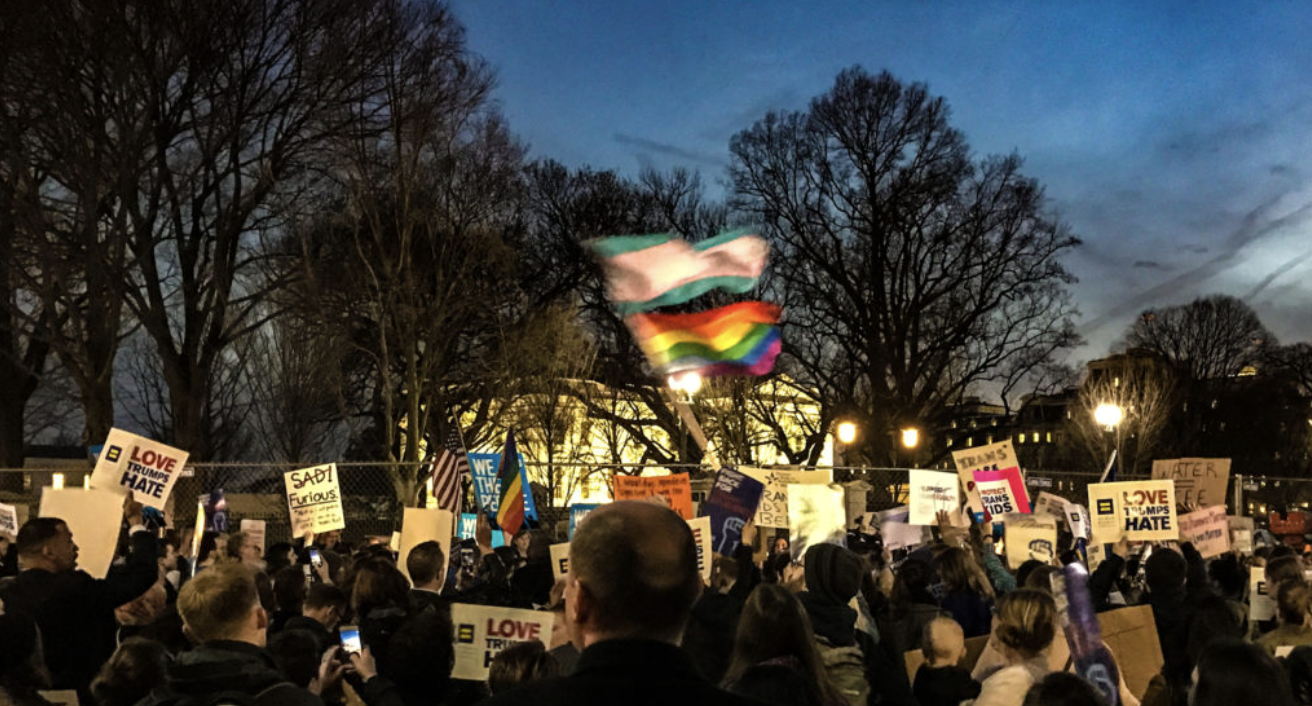
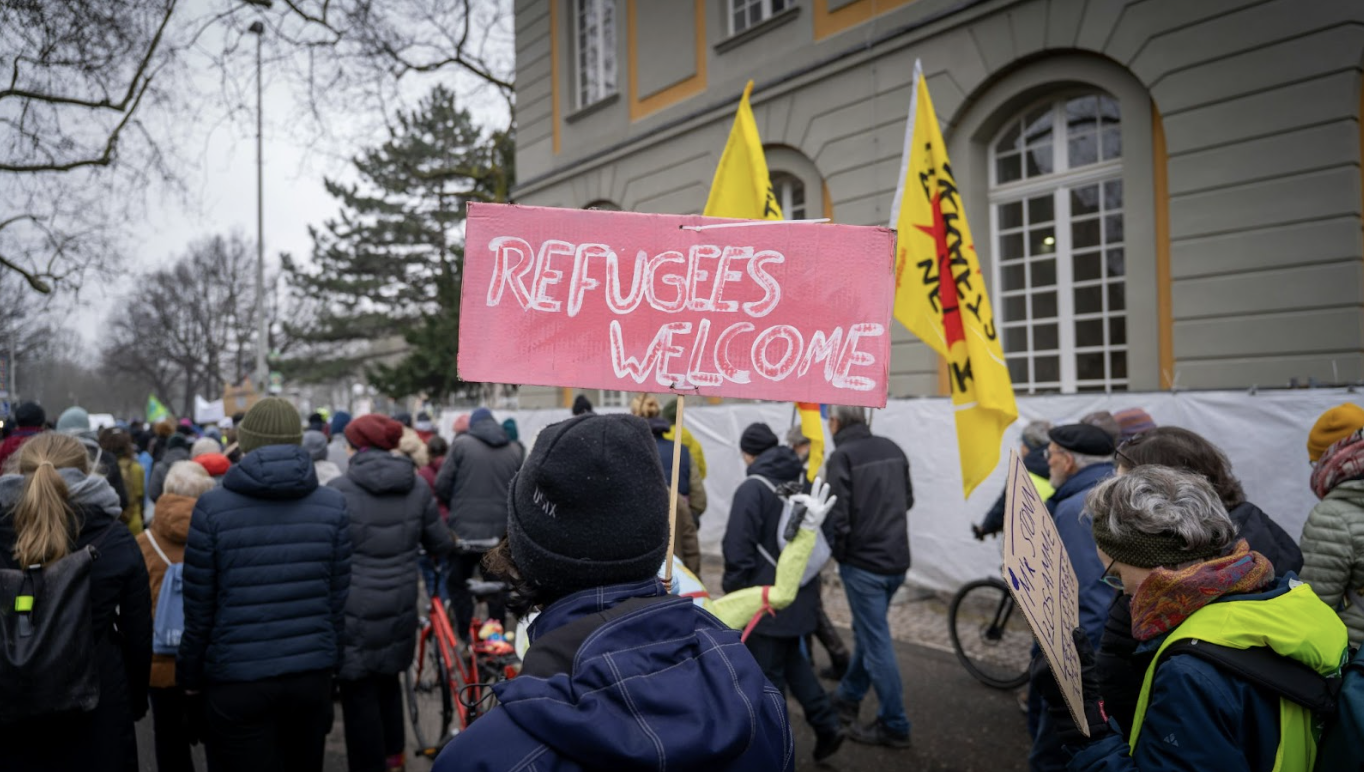
‘Civil’ Discourse as ‘Civic’ Discourse: Problematizing Neutrality

It might seem that the forum for civil discourse has to be neutral for this discourse to occur. In fact, an adherence to neutrality often stifles constructive political discourse. At McGill, administrative appeals to neutrality amid Palestine protests reveal how “civility” and neutrality mask exclusion and suppress dissent. Drawing on theorists Iris Marion Young and Chantal Mouffe, this article argues that true civic/civil discourse demands not politeness but inclusive political communication—an open, sometimes uncomfortable, engagement with difference.

Posted On :

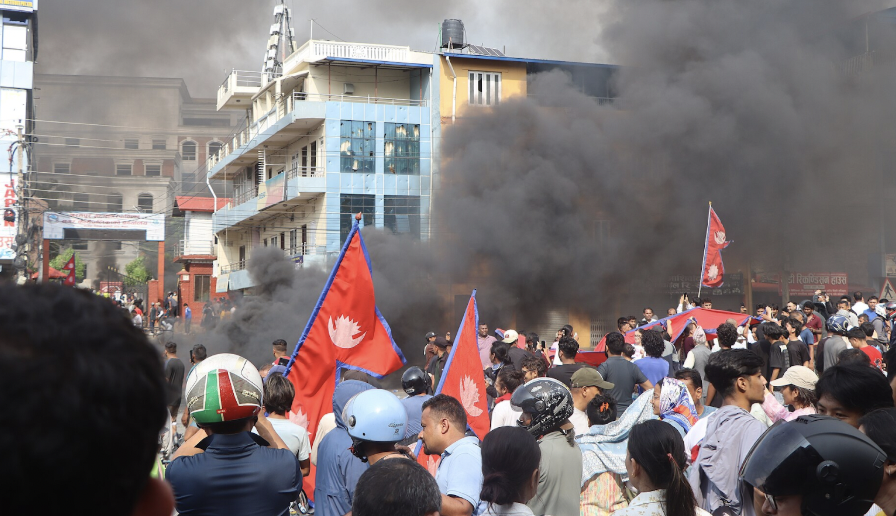
Revolt, Reset, Repeat: The Protest Cycle of the Global South

Hope for meaningful change fuels youth-led protests across the Global South. Though portrayed as the dawn of a new era, these movements echo earlier waves of mobilization such as the 2011 Arab Spring and the 2019 demonstrations. While they briefly shake regimes, structural vulnerabilities and power vacuums often restore the status quo, sustaining a recurring cycle of rebellion and repression.

Posted On :

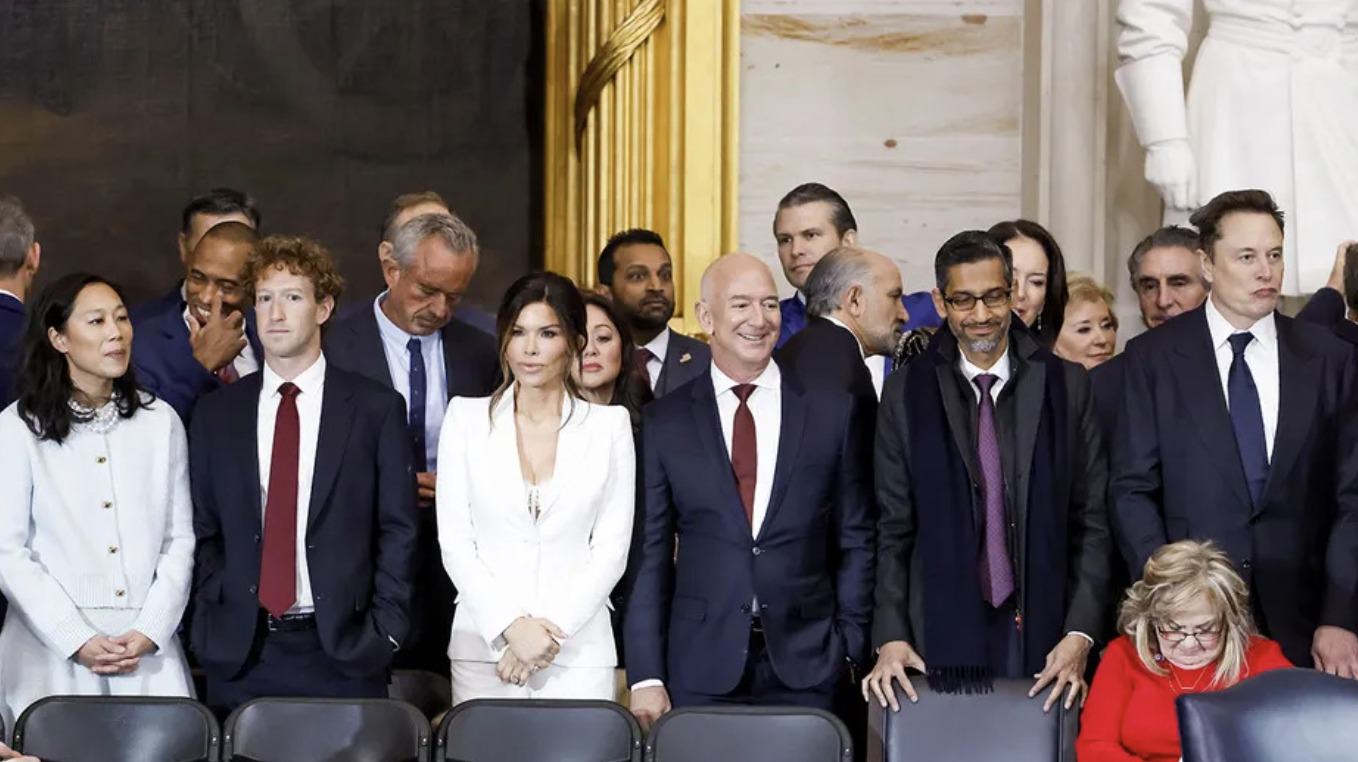
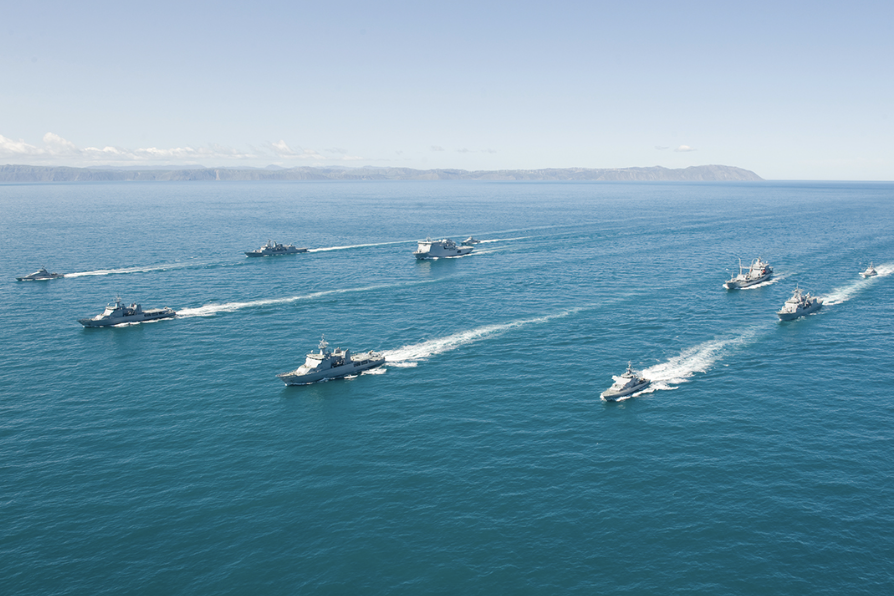
The Speculation Arms Race: How Venture Capital is Creating Security Dilemmas Before Weapons Exist

In international relations, a security dilemma refers to a situation where a state’s increase in its capabilities – in technology or defence – is perceived as a threat by a rival, which spurs their own capabilities development, resulting in an arms race. Historically, this phenomenon has depended on government-funded research in both the public and private spheres, thereby facilitating the development of proven capabilities, such as a new form of weapon. Once proven, procurement and increased capabilities occur. Today, as countries race to develop their AI capabilities, venture capital speculation in defence technology is creating a security dilemma before capabilities actually exist, driven by market logic rather than strategic necessity. This article does not suggest that speculation replaces traditional security dilemmas, but rather that it introduces novel mechanisms —market signals and venture capital speculation —through which the same logic of reciprocal insecurity operates.

Posted On :