The Panopticon and the Laboratory: Palestinians Under the Gaze of a Surveillance-Based Military Industrial Complex

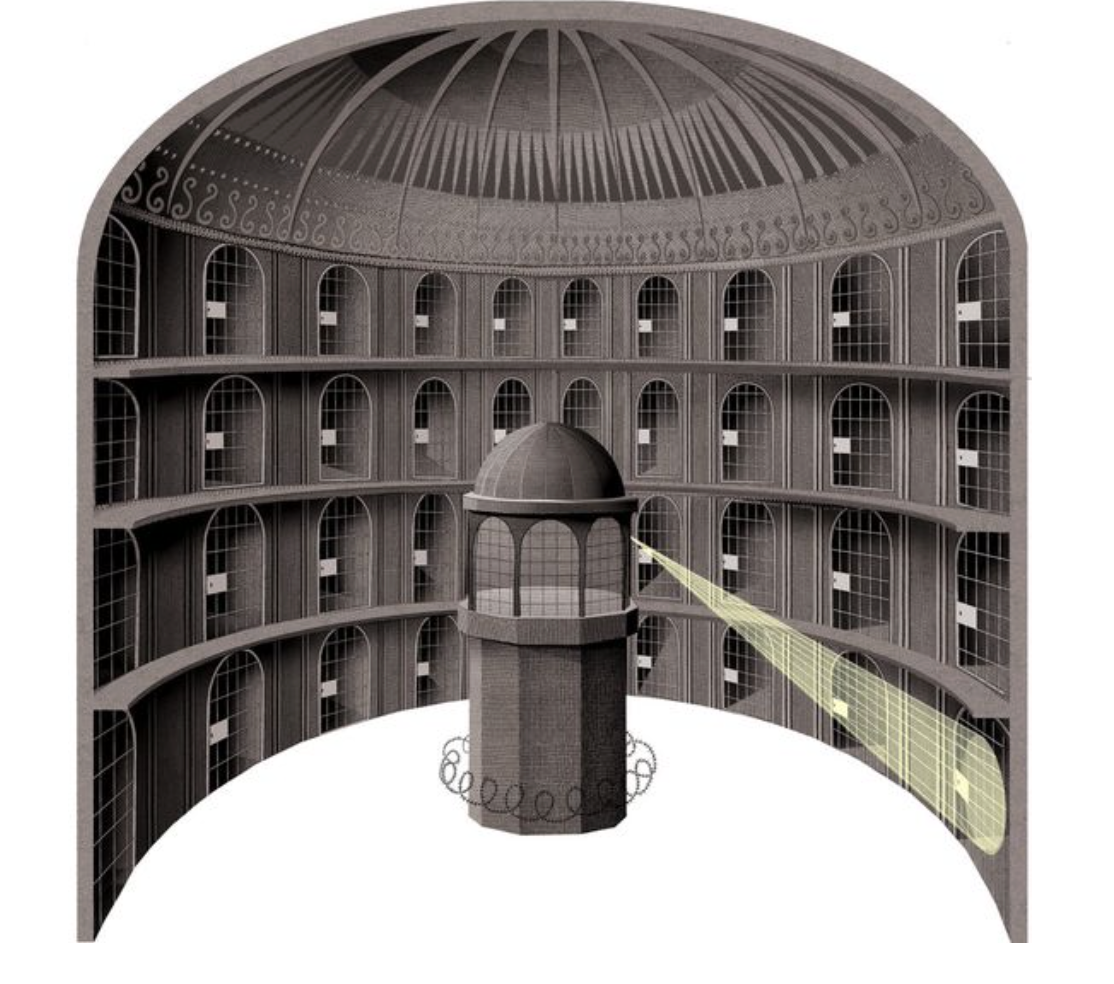
The current military industrial complex is defined by the rapidly developing technological innovations of the last two decades–namely artificial intelligence, systems, and their extension into algorithmic warfare. This article examines how the Israeli-American network of surveillance instrumentalizes Palestinians as data sources and test subjects to further the innovation of algorithmic warfare and solidify the Israeli war economy.

Posted On :
Category:

‘Civil’ Discourse as ‘Civic’ Discourse: Problematizing Neutrality

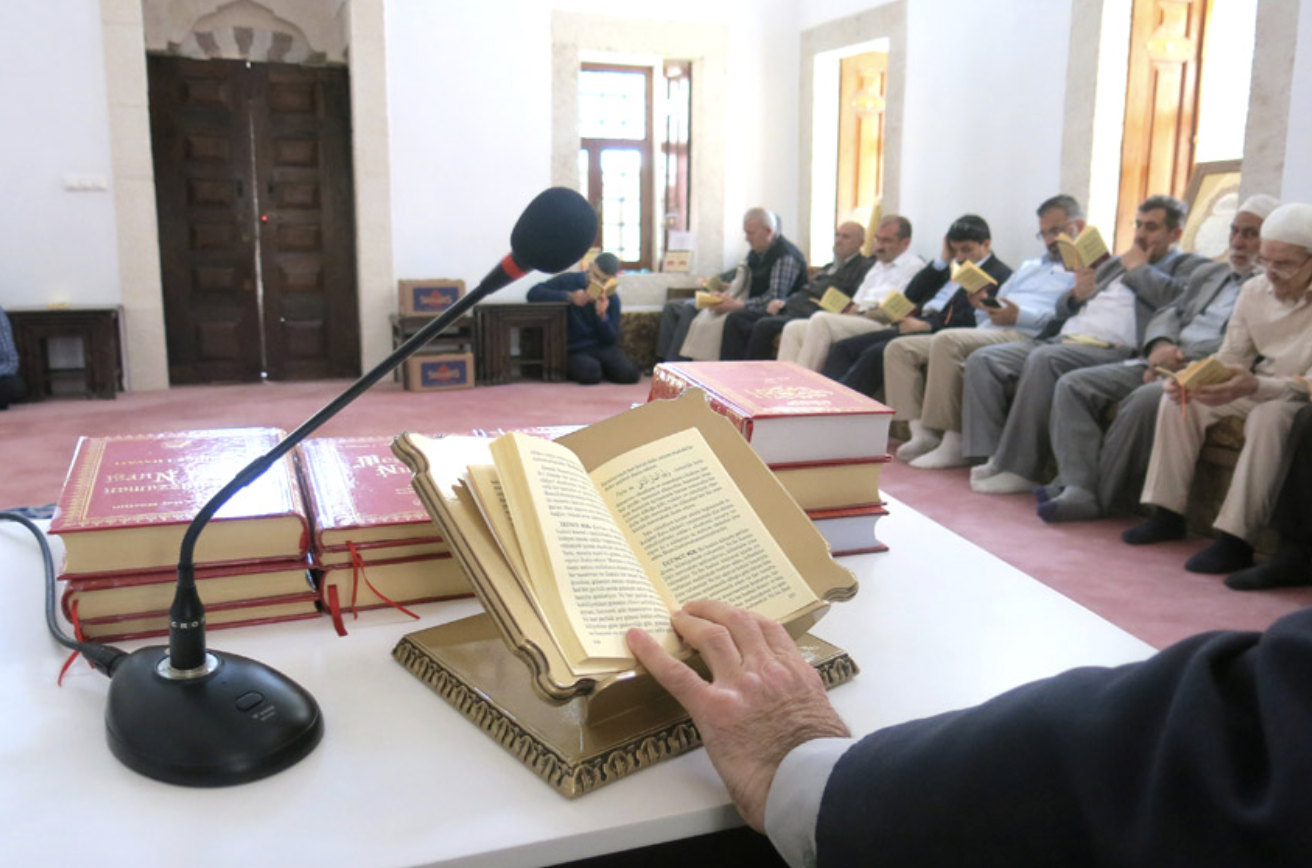
It might seem that the forum for civil discourse has to be neutral for this discourse to occur. In fact, an adherence to neutrality often stifles constructive political discourse. At McGill, administrative appeals to neutrality amid Palestine protests reveal how “civility” and neutrality mask exclusion and suppress dissent. Drawing on theorists Iris Marion Young and Chantal Mouffe, this article argues that true civic/civil discourse demands not politeness but inclusive political communication—an open, sometimes uncomfortable, engagement with difference.

Posted On :
Category:

Free Speech: a Tool for the Oppressed or the Oppressors?

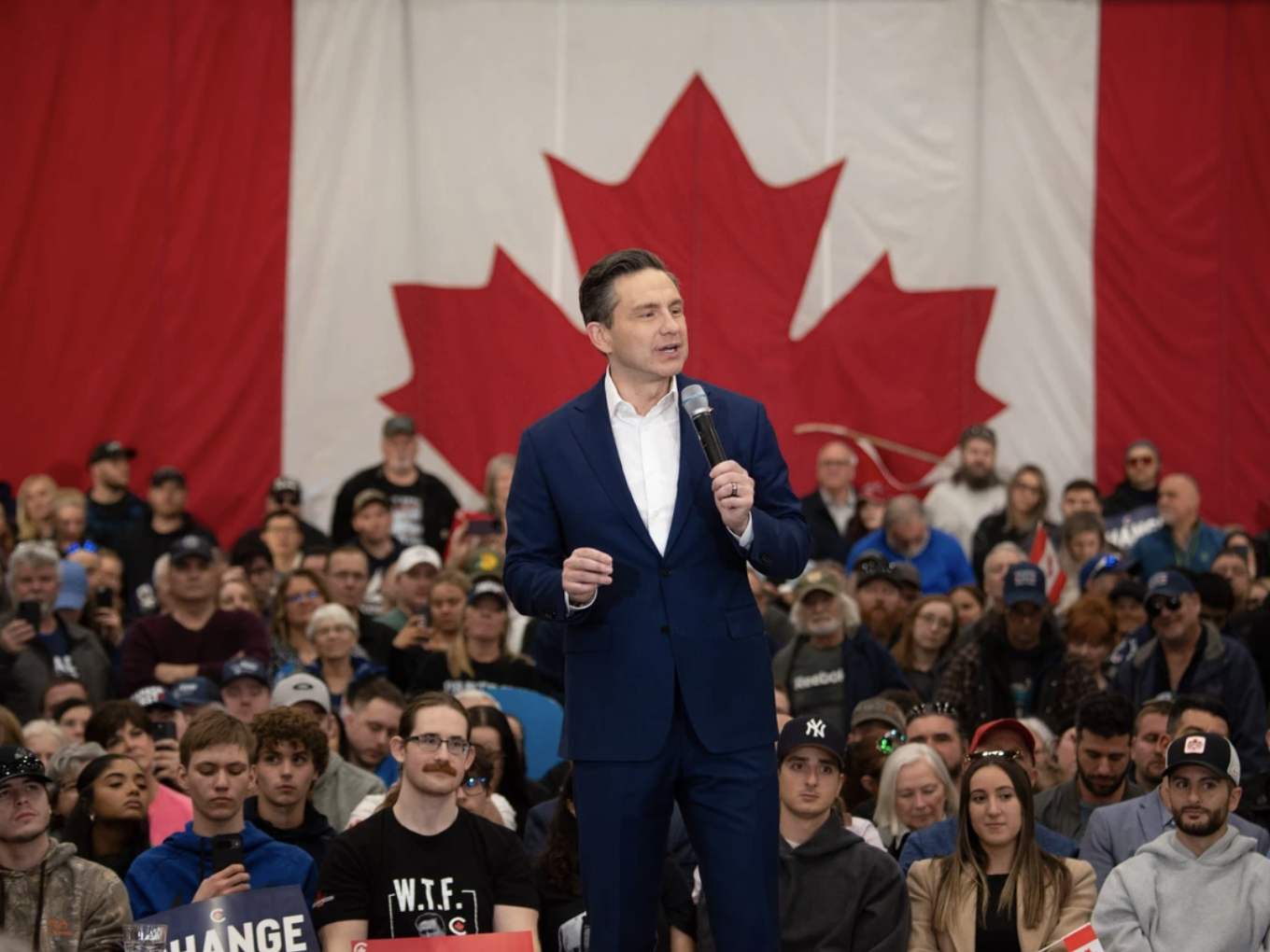
Freedom of expression, while legislated to a greater or lesser degree depending on the state in question, remains a foundational right of every liberal democracy in the world. The wide adoption of this humanistic ideal between the 18th and 19th centuries revolutionized a formerly exclusive landscape of social and political expression. The issue then was a generally monolithic and massively repressive social order, to which the codification of free speech provided a necessary counterbalance. The issue today, in our increasingly interconnected world, however, is a new hazard of informational liberty. The dizzying scale of online informational resources and opinion sharing platforms has massively diluted the quality and integrity of our political discourse. The apparent question, then… does free speech always make us more free?

Posted On :

In Defense of the Anti-Utopian Perspective: The Hopefulness of Tragedy

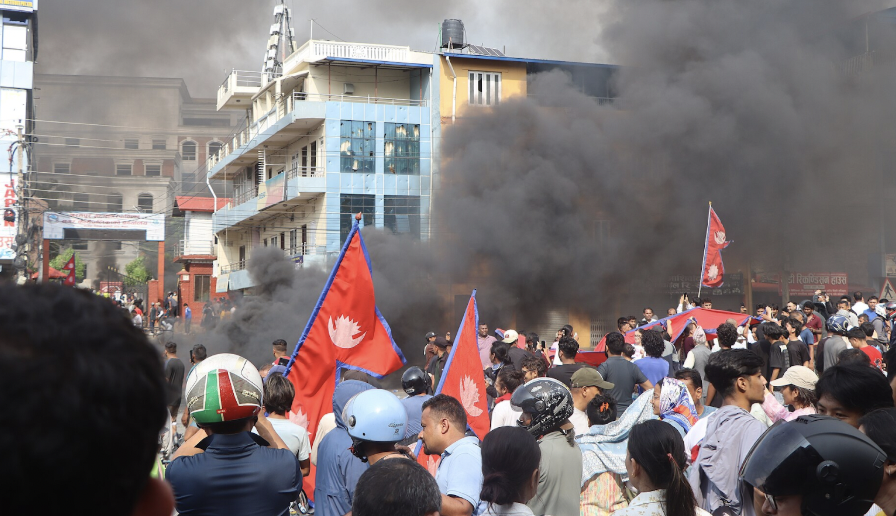
Utopia is dead. Instead of striving for the unattainable ideal of perfection, we should continually improve our society through democratic conflict and pluralism. Drawing from anti-utopian thinkers like Claude Lefort, Chantal Mouffe, and Ernesto Laclau, this article highlights the importance of perpetuating transgressive, adaptive politics rather than rigid, totalizing idealist visions. Contrary to one’s first instinct, anti-utopian thought offers a more optimistic and practical path forward to change—one that embraces human imperfection and fosters meaningful societal progress.

Posted On :

Biopolitics and the Grievability of Life: Brian Thompson and UnitedHealthcare

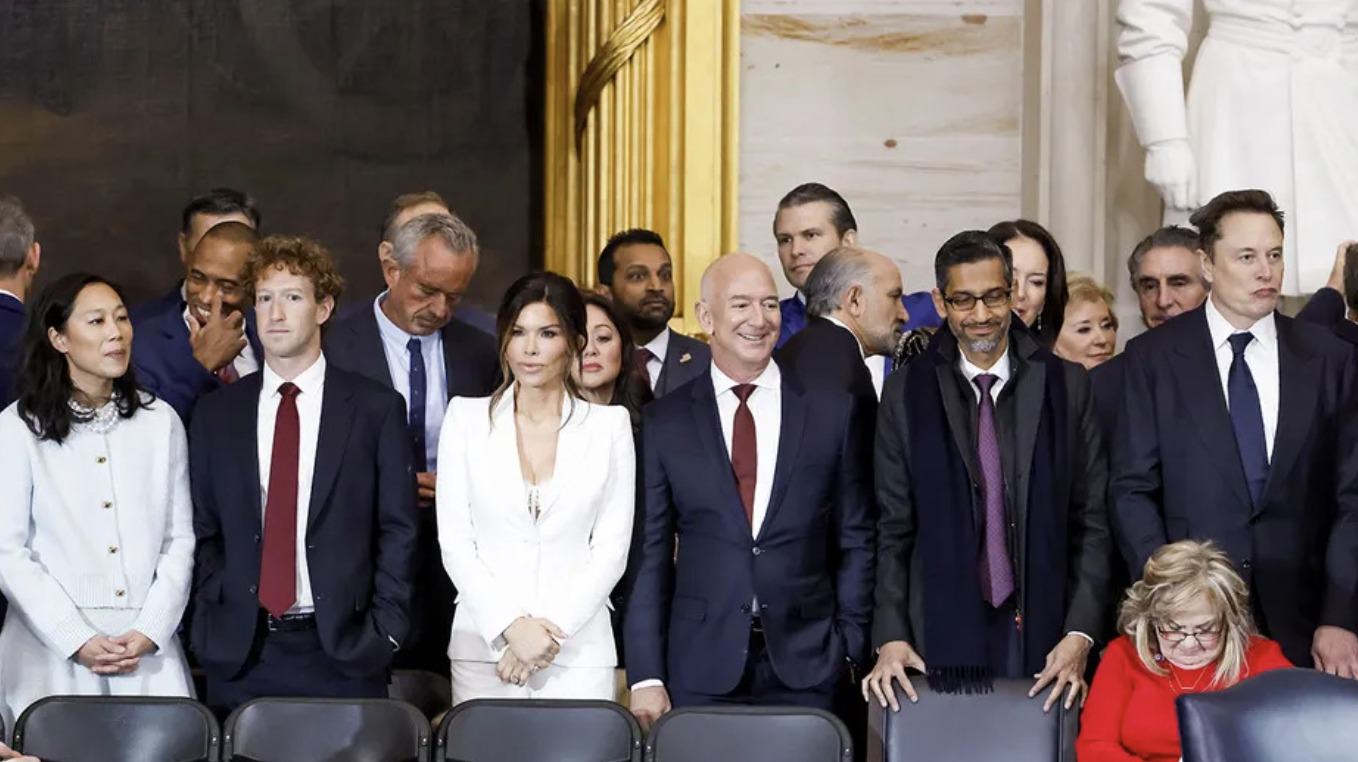
While news anchors and politicians have decisively condemned Thompson’s murder, netizens on the other hand have been so extreme as to mock his demise and raise Luigi Mangione, Thompson’s killer, to the status of a “folk hero”. While there exists a consensus that murder is wrong, Thompson’s role as the CEO of UnitedHealth, one of the United States’ largest health insurance companies, makes him complicit in the deaths of many more people. The words of one New Yorker encapsulate this tension: “It’s hard for me to feel sad that the CEO was killed […] I’m uncomfortable that violence was used. But also, it’s nice to finally have some pushback.”

Posted On :