Generation Beta and Neoliberalism: Evolution or Regression? 

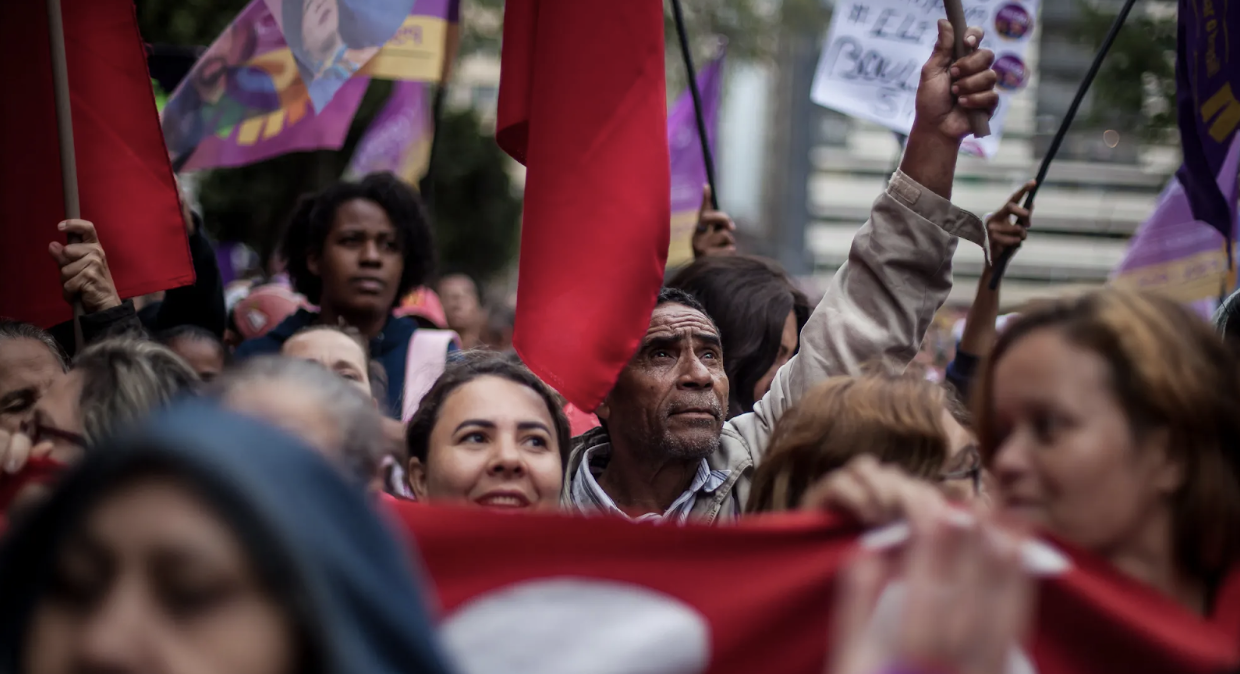
However macabre, the commencement of Generation Beta provides ample room to discuss the normative underpinnings that have contributed to the practical dysfunction of contemporary society. […] it confronts us with conversations on the ideological transformations required for ushering in a new era of environmental, social, and political governance which are necessary to safeguard the rights of future generations.

Posted On :

The Politics of Distrust: Anti-Intellectualism as Laying the Groundwork for Populist Revolution

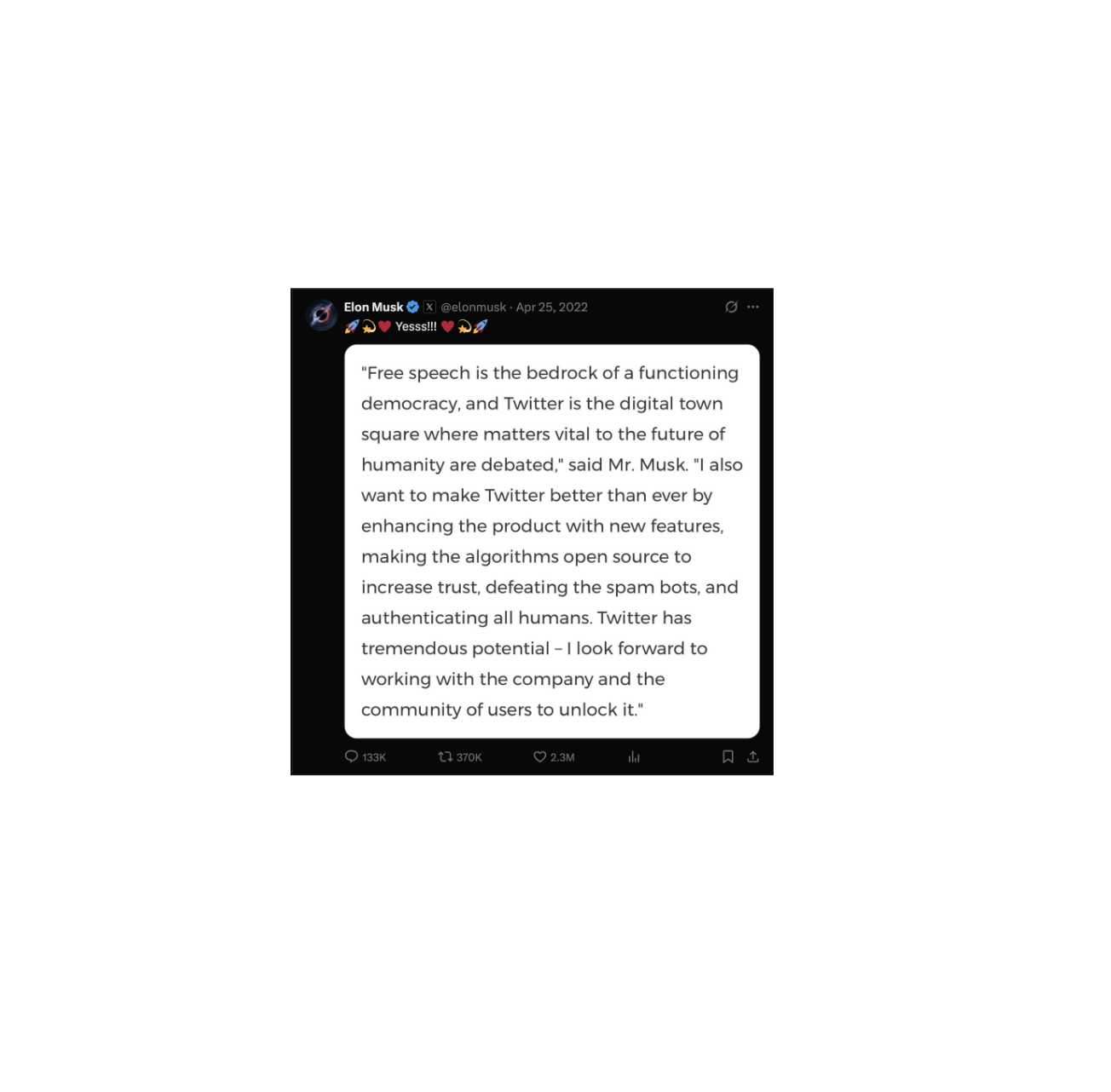
The ever-expanding tide of populist discourse and behaviour casts a shadow over the political landscape of the 21st century. This unquestionable swell of populist sentiment among national leaders has increasingly converged with another ideological weapon: anti-intellectualism. Defined loosely as an “opposition or hostility to intellectual reasoning,” this ethos has rapidly spread across the west, and has been purposefully cultivated within the American electorate. Specifically, issues such as government response to Covid-19, global climate change, and immigration reform have been brought to the forefront of political debate, only to be engaged with in bad faith for political triumph in the country’s ongoing “culture war.” This article will examine the campaign and general approach of populist leader President Donald J. Trump. This will be done through the lens of this dual-weapon strategy and the use of concepts issued from the works of Hannah Arendt.

Posted On :

The Erosion of Lemkin’s Principles : Geopolitics and Genocide in Gaza. 

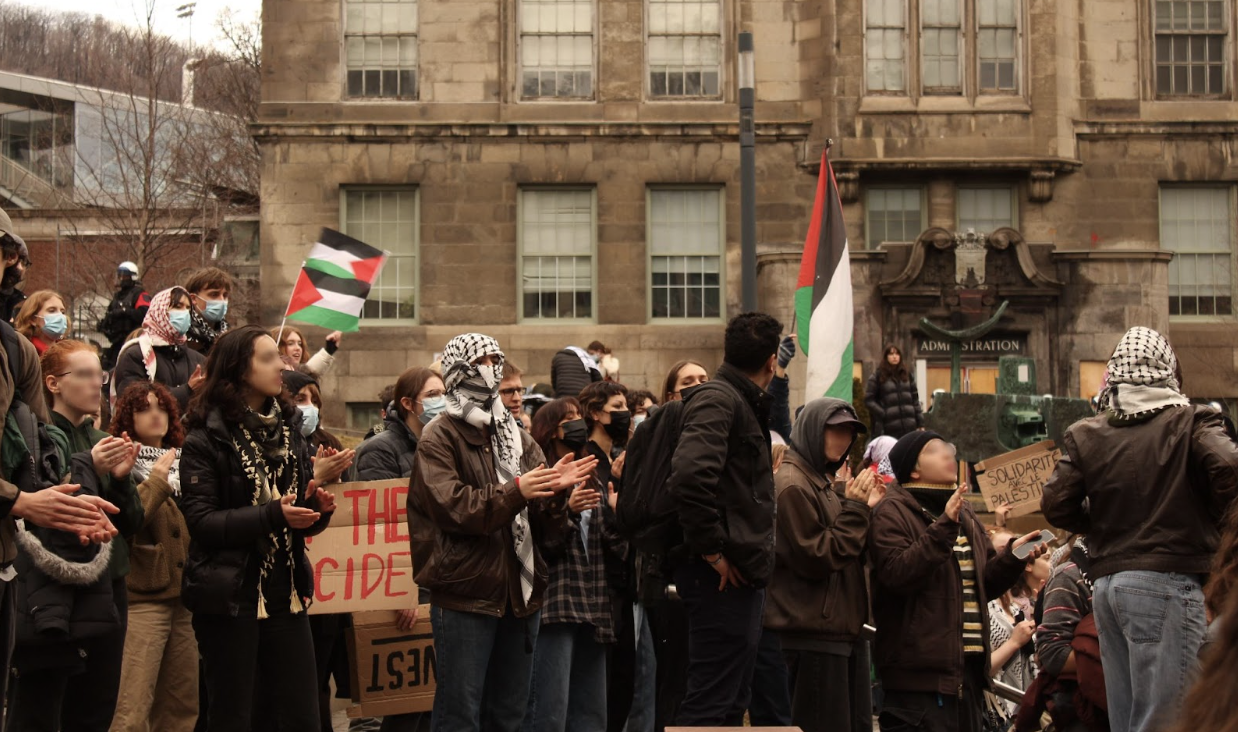
This article examines the erosion of Raphael Lemkin’s principles of genocide in the context of Gaza, highlighting the disjunction between legal definitions and geopolitical responses. Despite clear international legal assessments characterizing Israel’s actions as genocidal, political alliances and military aid persist. This reveals a troubling shift in how genocide is understood, applied, and contested today.

Posted On :

Aristotle, Citizenship, and the Question of Status In Modern “Democracies”

Under the Aristotelian framework, the political participation of individuals within modern representative democracies does not constitute true citizenship. The vast majority of those now considered to be citizens would, under Aristotle’s model, be more aptly described as resident aliens, true citizenry only being enjoyed by the class of elected officials. This article suggests representative democracy to be a system closer to aristocracy or oligarchy. 

Posted On :

Trump’s Divine Mission: Charismatic Authority and the Politics of Persecution

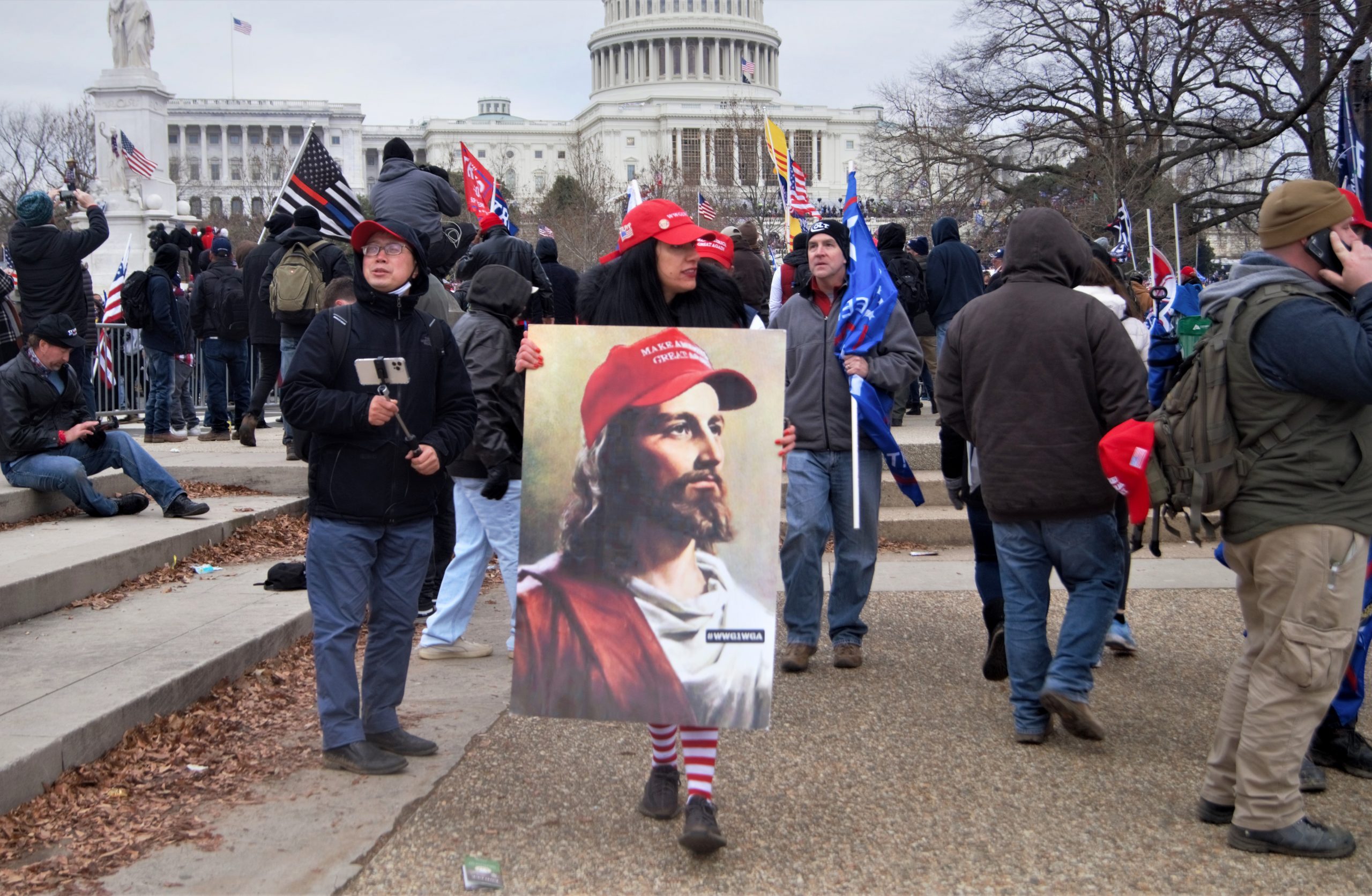
Once simply a celebrity businessman, Trump has transformed into a figure of near-divine significance for his staunch supporters. He is not simply a political leader but a saviour who stands against what his followers perceive as rampant corruption within judicial institutions, the political process and the government itself.

Posted On :