Venezuela’s Democratic Paralysis Under Maduro
Maduro’s fraudulent re-election deepens Venezuela’s democratic crisis, fueling repression, economic collapse, and mass exodus. Can opposition and global pressure break his grip on power?
Getting the Insight Out

Maduro’s fraudulent re-election deepens Venezuela’s democratic crisis, fueling repression, economic collapse, and mass exodus. Can opposition and global pressure break his grip on power?

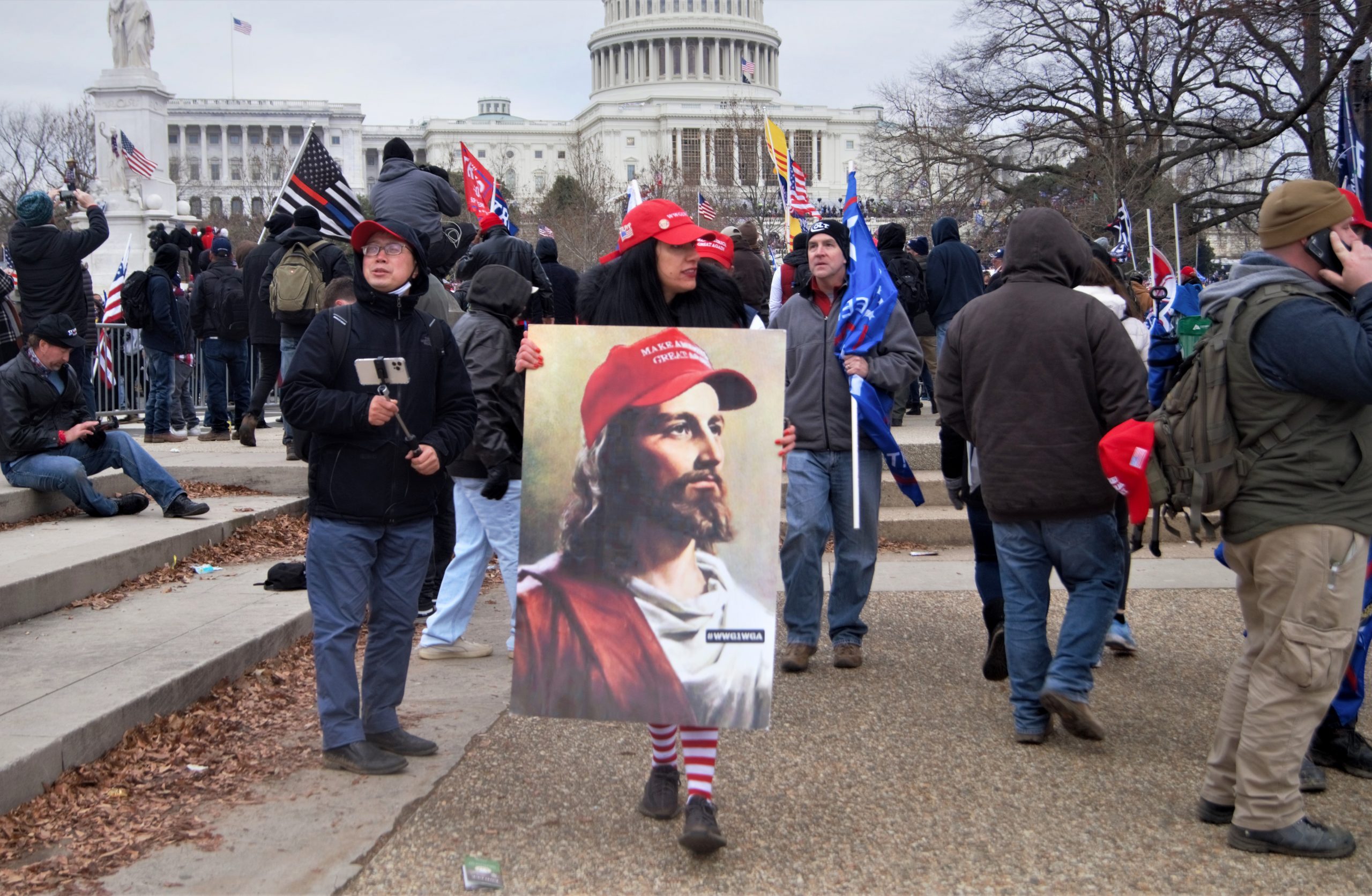
The ever-expanding tide of populist discourse and behaviour casts a shadow over the political landscape of the 21st century. This unquestionable swell of populist sentiment among national leaders has increasingly converged with another ideological weapon: anti-intellectualism. Defined loosely as an “opposition or hostility to intellectual reasoning,” this ethos has rapidly spread across the west, and has been purposefully cultivated within the American electorate. Specifically, issues such as government response to Covid-19, global climate change, and immigration reform have been brought to the forefront of political debate, only to be engaged with in bad faith for political triumph in the country’s ongoing “culture war.” This article will examine the campaign and general approach of populist leader President Donald J. Trump. This will be done through the lens of this dual-weapon strategy and the use of concepts issued from the works of Hannah Arendt.

After the Soviet collapse in 1991, political scientist Francis Fukuyama famously argued in The End of History that liberal democracy’s triumph marked the conclusion of ideological struggles between great powers. This led some to believe that traditional geopolitical competition had faded.

The United States’ position has shifted greatly since 2017, in many ways stronger than it has been in more than a decade. The Biden administration is handing off a historically strong economy, with among the highest growth rates in the developed world in which the US has maintained its lead in technology, and a promising international landscape in which the U.S. possesses the upper hand in negotiations with enemies and allies alike.

As the risk of President Trump’s tariffs looms and a naval conflict with China intensifies, Vietnam’s high-wire diplomacy is facing its most critical test yet.

From “Kremlin-like” laws to forging a strategic partnership with China, Georgia’s foreign alliances are undergoing a significant realignment. A recalibration towards alternative alliances thus raises questions about Georgia’s future in the EU and its democratic trajectory on the international stage.

Despite decades of promises, several First Nations communities remain under long-term drinking water advisories. This ongoing crisis represents a grave breach of the human right to water and sanitation, guaranteed by the United Nations, and underscores the deep systemic issues in how Canada addresses Indigenous water security.

Ontario Provincial Bill 212 became law. The bill imposed new requirements on municipalities, mandating them to seek provincial approval for new cycling infrastructure. While provinces possess constitutional authority over municipalities, conventionally they do not interfere in municipal affairs, making this bill controversial.

Chrystia Freeland replaced Dion following a cabinet shuffle. In 2019, with the commencement of Trudeau’s second term, she was given both the role of Minister of Intergovernmental Affairs and Deputy Prime Minister; while the latter was perhaps more of an honorary cabinet role, it denoted her growing influence over government affairs.

However macabre, the commencement of Generation Beta provides ample room to discuss the normative underpinnings that have contributed to the practical dysfunction of contemporary society. […] it confronts us with conversations on the ideological transformations required for ushering in a new era of environmental, social, and political governance which are necessary to safeguard the rights of future generations.