Examining Democratic Erosion: Can the United States Learn From Germany?

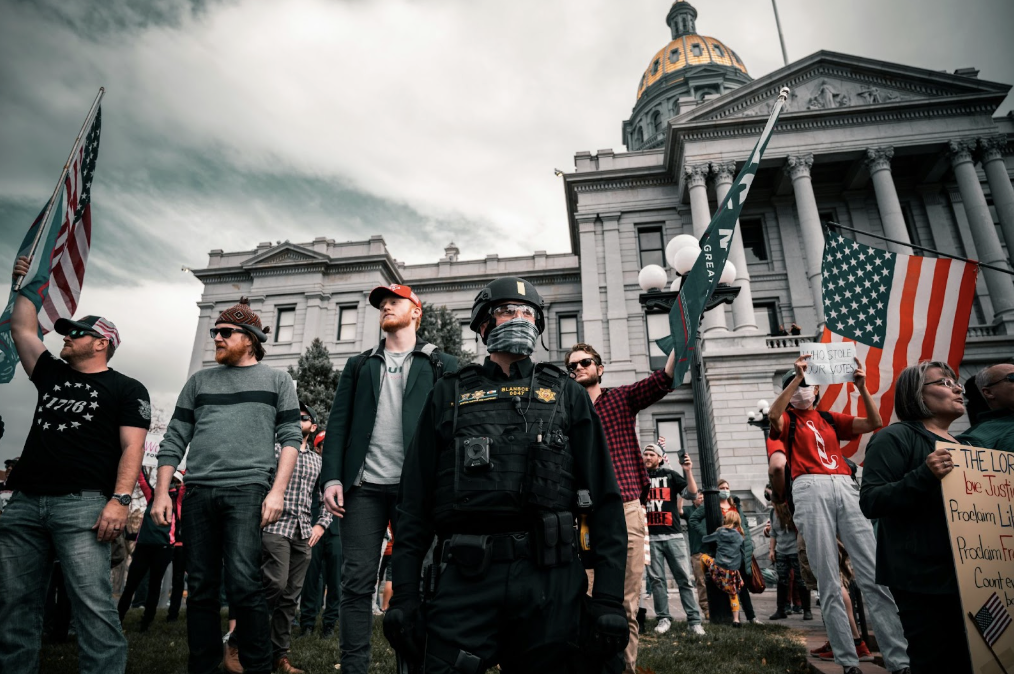
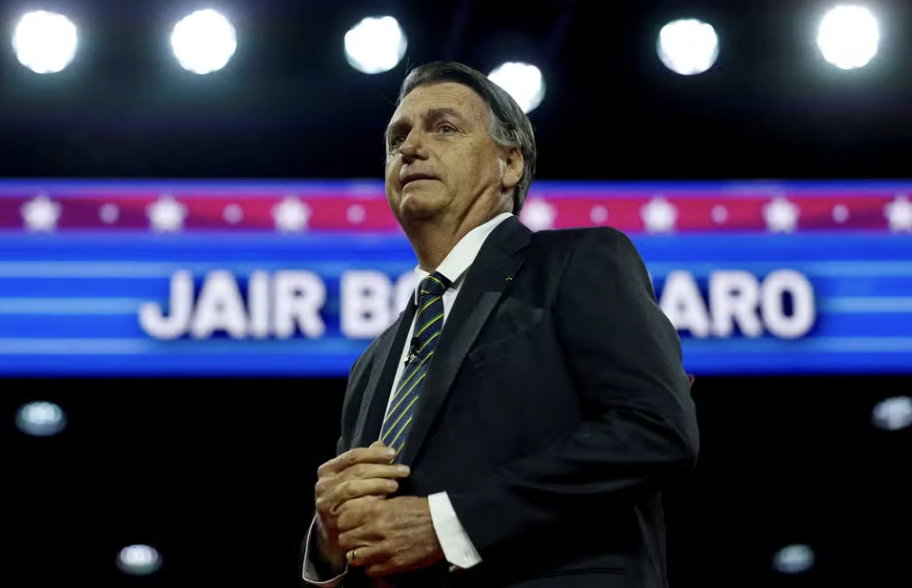
Democratic collapse is not always sudden. While a coup d’état is a clear break, democracies can be subtly dismantled through processes that erode their foundational elements. Citizens often fail to recognize a state’s descent into fascism—a political movement defined by militarism and the suppression of individual rights—until they have lost the democratic power to counter it.

Posted On :
Category:

‘Civil’ Discourse as ‘Civic’ Discourse: Problematizing Neutrality

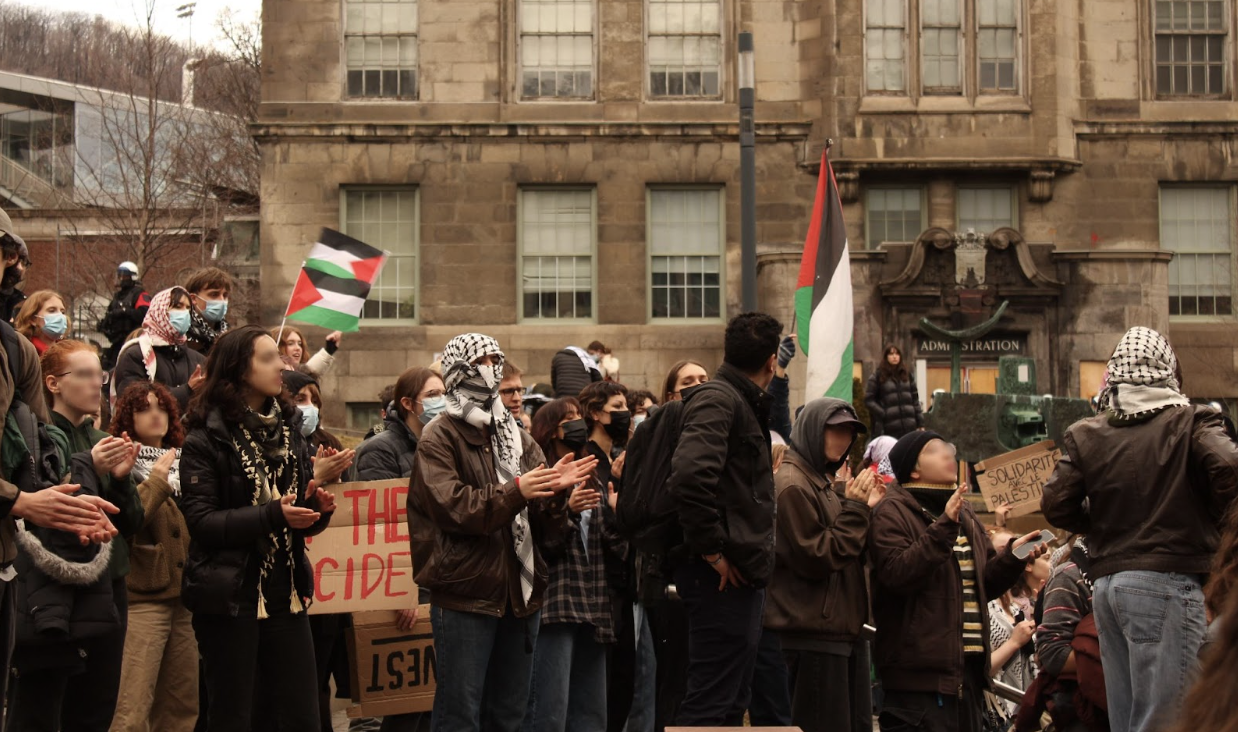
It might seem that the forum for civil discourse has to be neutral for this discourse to occur. In fact, an adherence to neutrality often stifles constructive political discourse. At McGill, administrative appeals to neutrality amid Palestine protests reveal how “civility” and neutrality mask exclusion and suppress dissent. Drawing on theorists Iris Marion Young and Chantal Mouffe, this article argues that true civic/civil discourse demands not politeness but inclusive political communication—an open, sometimes uncomfortable, engagement with difference.

Posted On :

Tunisia’s Autocratic Turn: A Putin-like Case of Economics and Authoritarianism

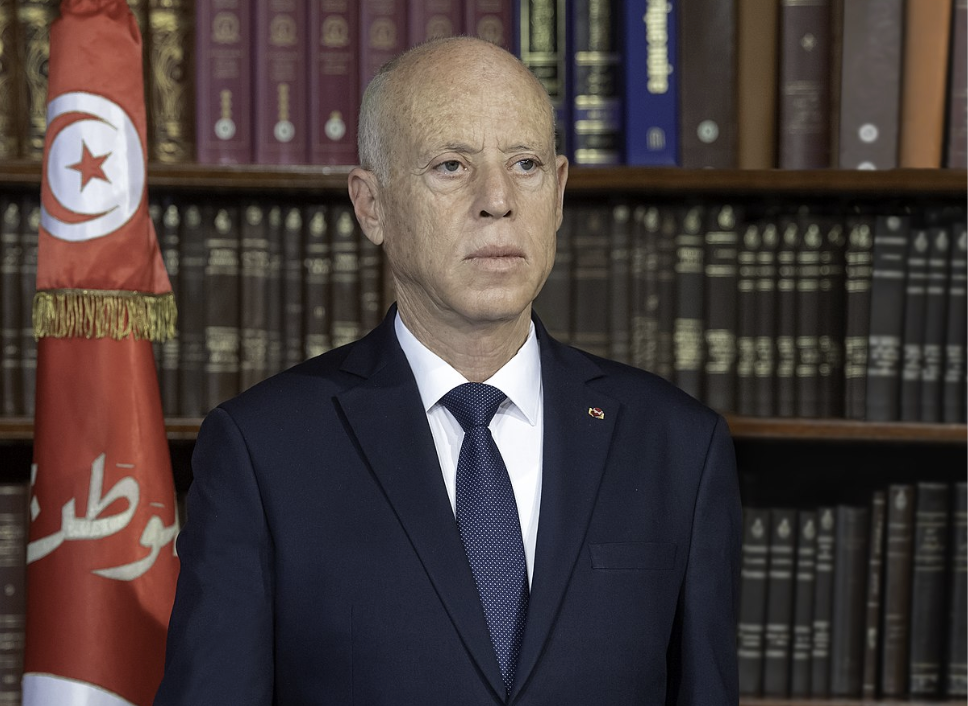
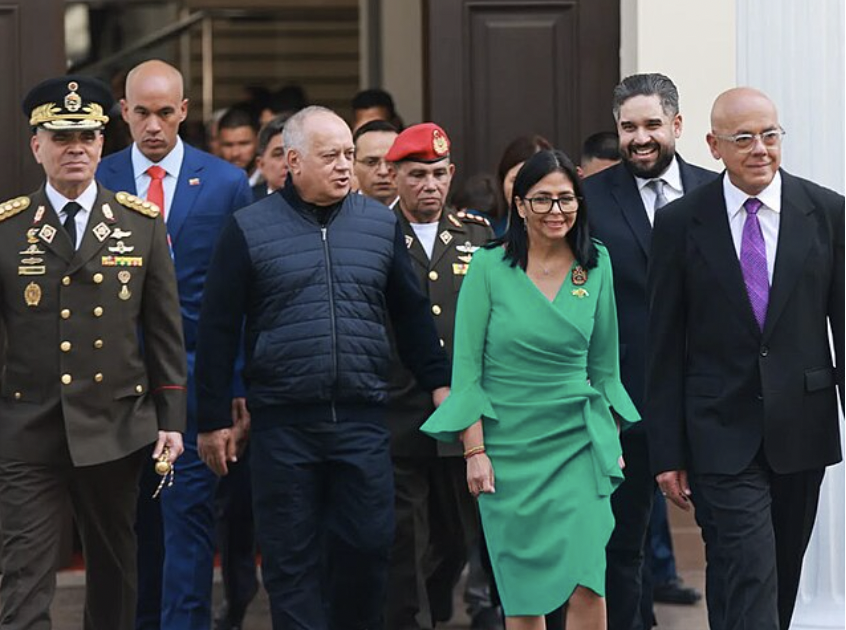
Tunisia, a nation heralded as the one true success story of the 2011 Arab Spring movement that saw pro-democracy protests erupt across the Middle East, has slid back to autocracy in recent years under President Kais Saied. Despite the sudden end of democratic freedoms, this transition has not been met with universal opposition. The public disaffiliation with democracy in Tunisia shows the importance of economic success in maintaining democratic values, and, along with other instances of democratic backsliding, can be studied to understand how democracy can persist despite economic shortcomings.

Posted On :

Revolt, Reset, Repeat: The Protest Cycle of the Global South

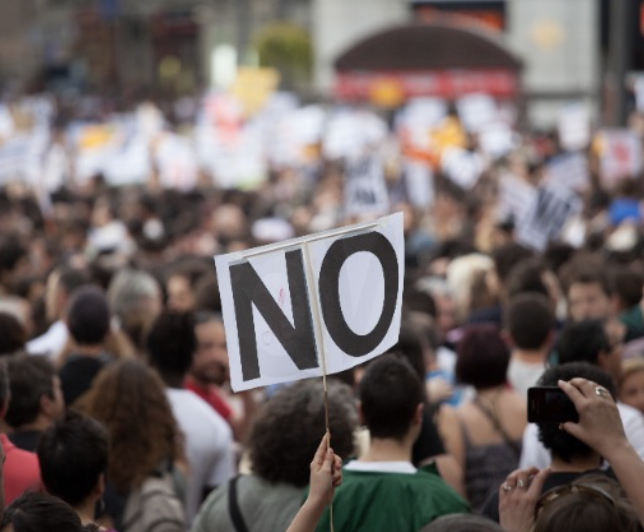
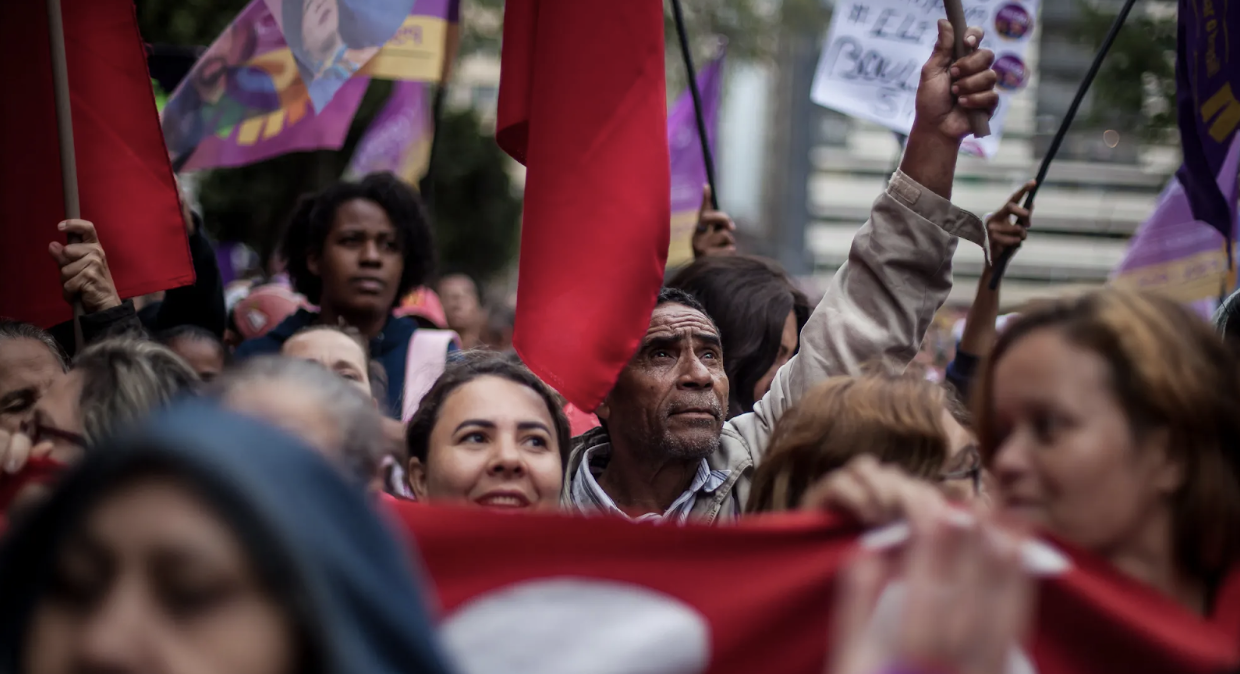
Hope for meaningful change fuels youth-led protests across the Global South. Though portrayed as the dawn of a new era, these movements echo earlier waves of mobilization such as the 2011 Arab Spring and the 2019 demonstrations. While they briefly shake regimes, structural vulnerabilities and power vacuums often restore the status quo, sustaining a recurring cycle of rebellion and repression.

Posted On :

Aristotle, Citizenship, and the Question of Status In Modern “Democracies”

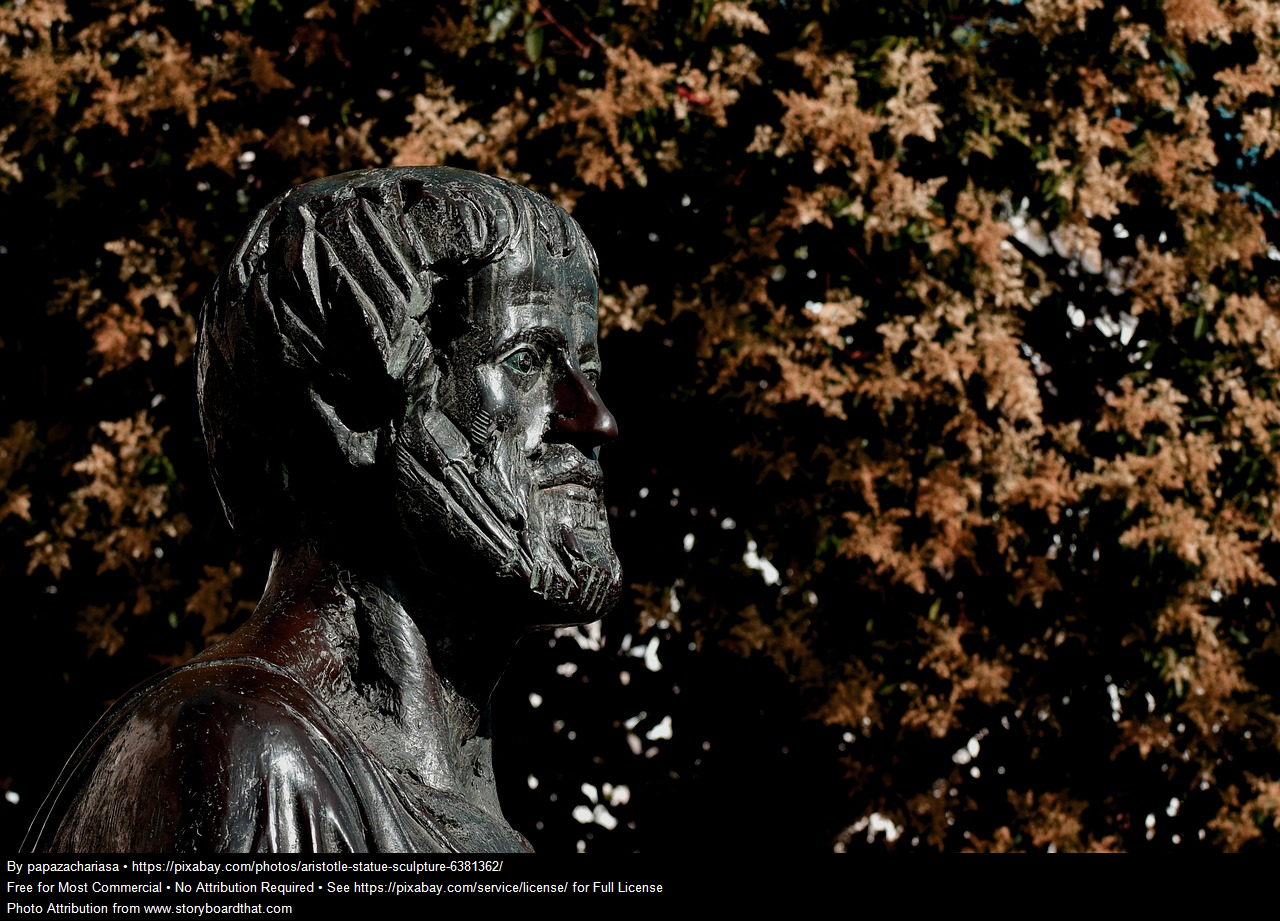
Under the Aristotelian framework, the political participation of individuals within modern representative democracies does not constitute true citizenship. The vast majority of those now considered to be citizens would, under Aristotle’s model, be more aptly described as resident aliens, true citizenry only being enjoyed by the class of elected officials. This article suggests representative democracy to be a system closer to aristocracy or oligarchy. 

Posted On :