


Category:

New Canada-China Strategic Partnership: The Regional Politics Behind Canada’s Auto and Canola Sectors

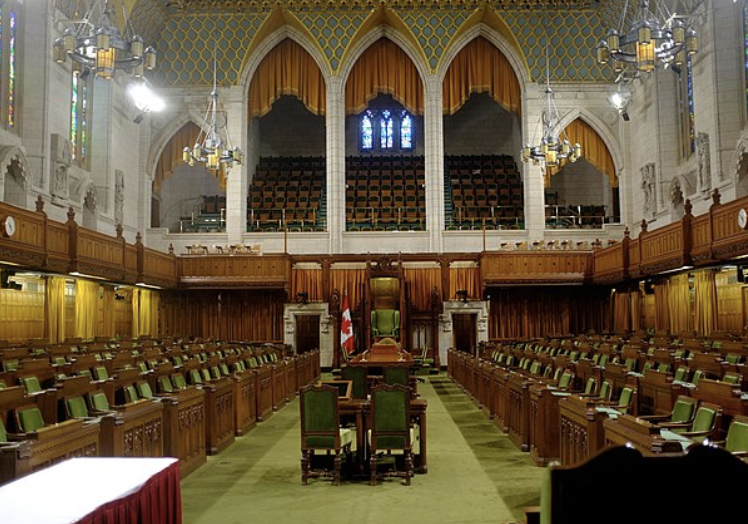
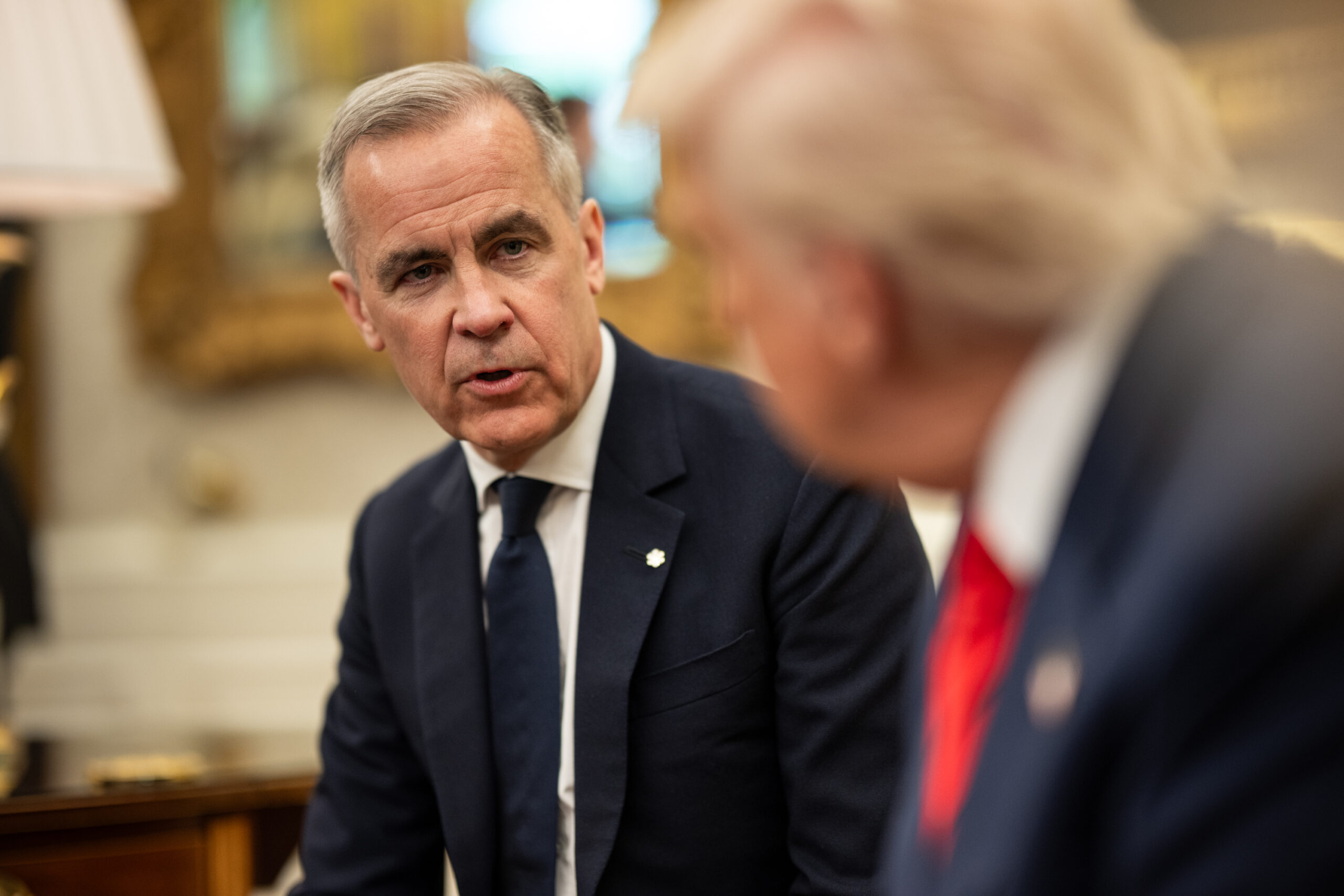
On January 16, 2026, PM Mark Carney (Nepean, Ont.) reached an agreement-in-principle with The People’s Republic of China. This strategic partnership has been successful in reducing import duties on Canadian canola products, but has had some opposition from Ontario Premier Doug Ford, as tariffs on electric vehicles (EVs) made in China will be reduced. However, this article argues that China may not present as big a threat to Ontario as is portrayed by Mr. Ford.

Posted On :

Why Military Coercion Will Not Fix Iran’s Crisis

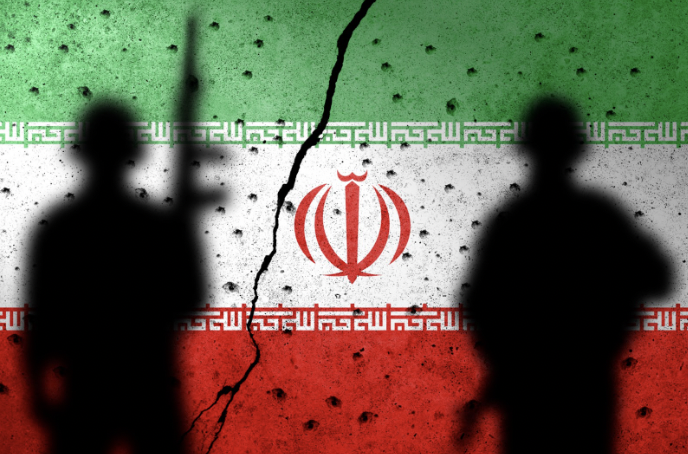
As Iran’s deadly anti-government protests persist, the threat of U.S. military intervention continues to loom. Yet external force is more likely to entrench authoritarian control through securitization or to produce regime collapse without institutional replacement. In addition, Iran’s asymmetric deterrence strategy and extensive proxy network make escalation difficult to contain, raising the risk of regional spillover. In this view, intervention would militarize Iran’s domestic legitimacy crisis and export instability across the Middle East without resolving the underlying political breakdown.

Posted On :

Autocrats and the Succession Dilemma

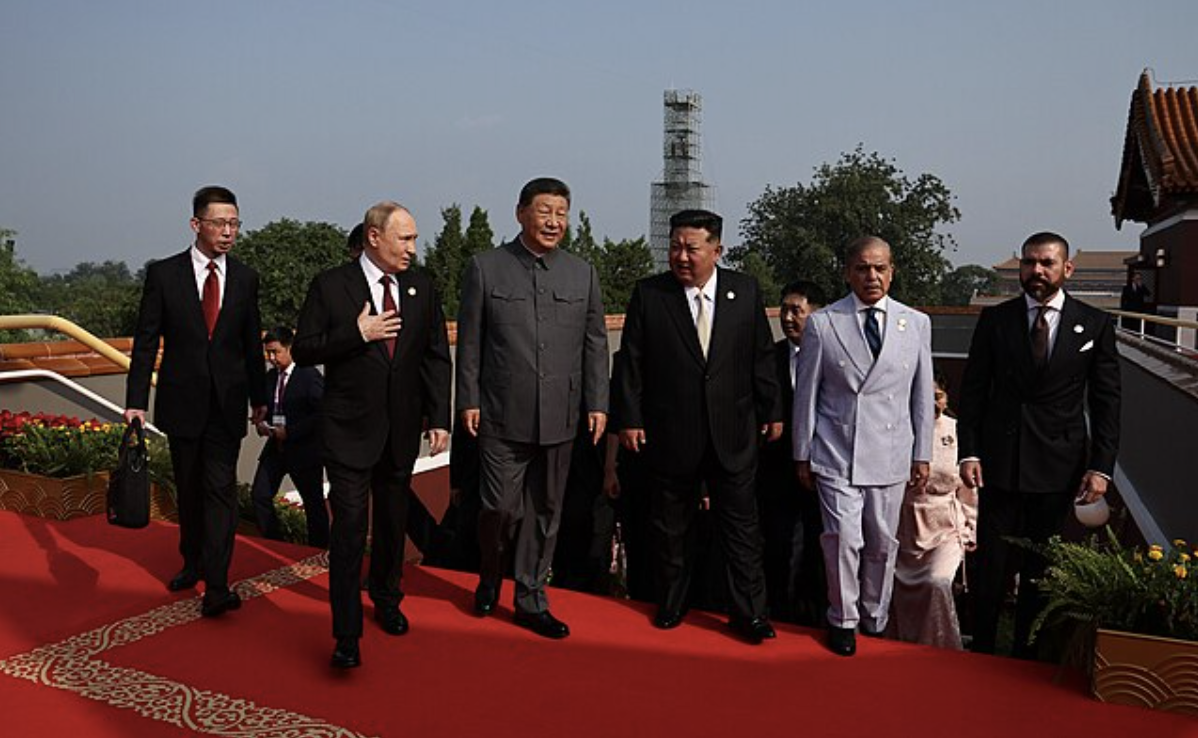
This September at China’s military parade, Russian President Vladimir Putin and Chinese President Xi Jinping were caught on a hot mic musing about living forever. Walking alongside North Korean leader Kim Jong Un, the Russian leader said, “The longer you live, the younger you become, and (you can) even achieve immortality.” In response, Chinese leader Xi Jinping said, “Some predict that in this century humans may live to 150 years old.”

Posted On :

The Panopticon and the Laboratory: Palestinians Under the Gaze of a Surveillance-Based Military Industrial Complex

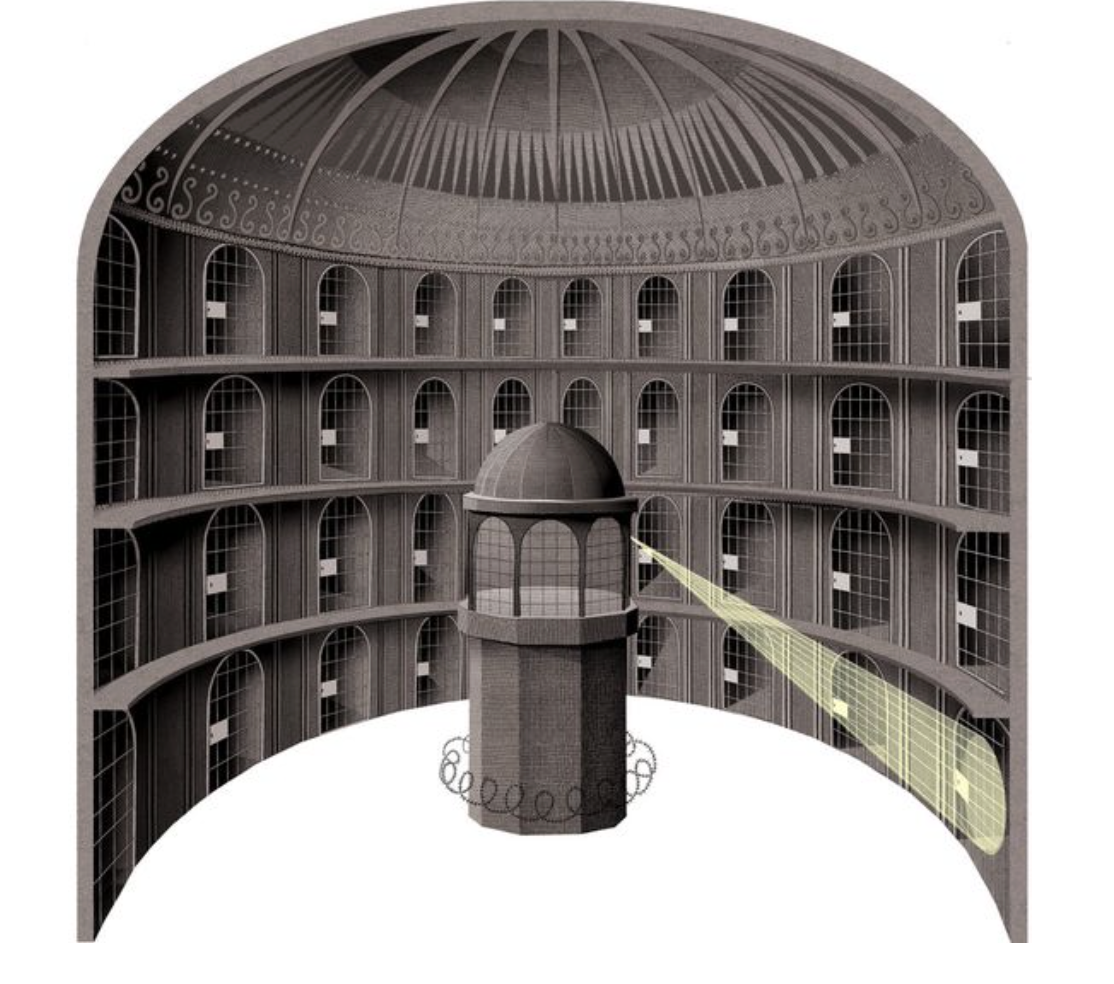
The current military industrial complex is defined by the rapidly developing technological innovations of the last two decades–namely artificial intelligence, systems, and their extension into algorithmic warfare. This article examines how the Israeli-American network of surveillance instrumentalizes Palestinians as data sources and test subjects to further the innovation of algorithmic warfare and solidify the Israeli war economy.

Posted On :

Canada’s Study Permit Cap: How Universities Are Bracing for a New Financial Reality

This article discusses the government’s cap on new study permits and its financial impact on universities across Canada. The cut in 2025, with a much sharper reduction signalled for 2026, is drastically affecting operating budgets, resulting in job losses and limiting research capabilities at Canadian universities. It explores whether universities can pivot away from a high reliance on international tuition, or whether this will continue to cause financial issues as cuts become more drastic.

Posted On :
Category:

Pierre Poilievre’s Leadership Review

In late January 2026, Pierre Poilievre will face a leadership review. The political test is set to take place in Alberta, where Poilievre’s brand of conservatism is most popular. This locale may strategically favor Mr. Poilievre, as it will stimulate turnout for his core base. Concurrently, certain Conservatives have been publicly critical of his leadership, but since they are mostly based in other parts of the country, convincing them to partake in the leadership vote may prove challenging. However, critics may be favored by the voting system. Thus, although the strategic location of the convention and the lack of a clear successor may advantage Pierre Poilievre, growing discontent may muddy the waters.

Posted On :