
The Hyphen Project and Africa’s Green Paradox
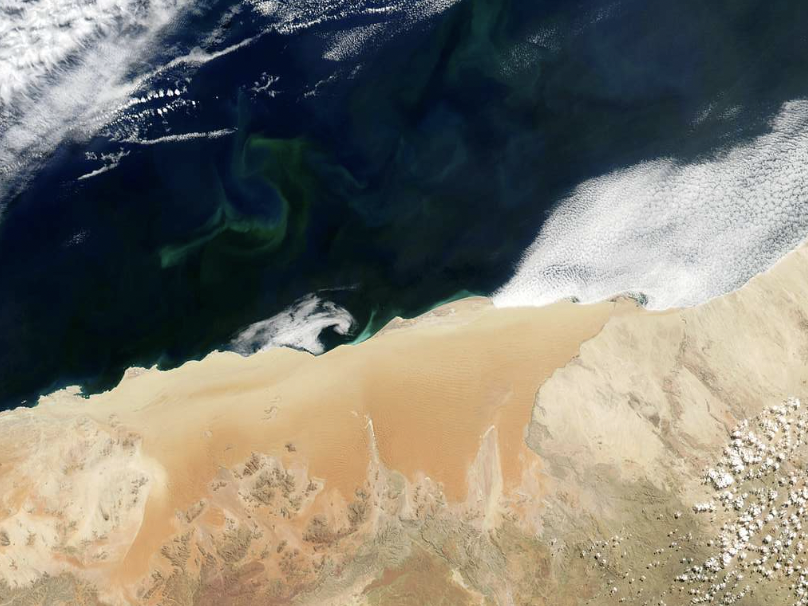
The Hyphen Project embodies the promise of clean energy while revealing how foreign powers can still undermine the economic sovereignty of African countries.
Getting the Insight Out

The Hyphen Project embodies the promise of clean energy while revealing how foreign powers can still undermine the economic sovereignty of African countries.

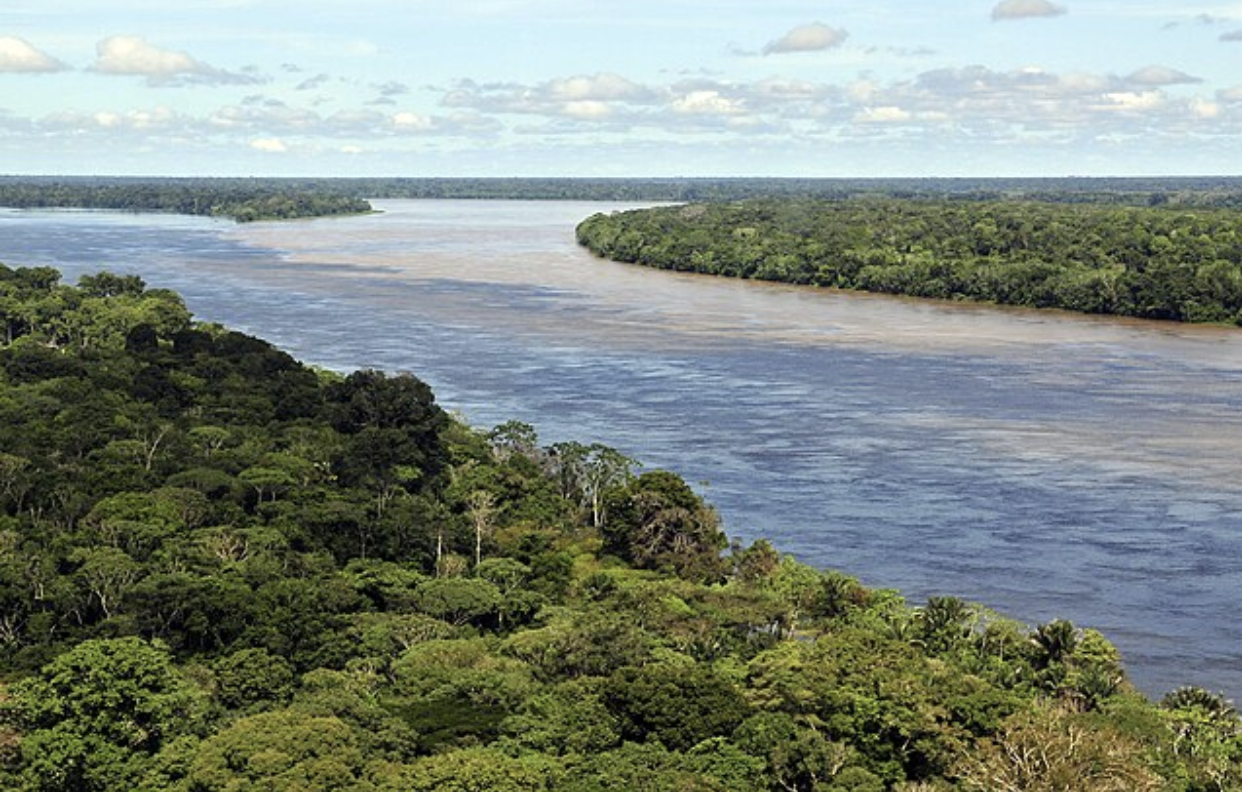
At the COP30 climate talks in Belem, Brazil, last week, global powers convened to discuss a multitude of strategies to secure favorable agreements for their economies and diplomatic relations. However, as the second-largest emitter globally, the notable absence of a high-level American delegation from the talks creates ambiguities about the future of emissions abatement, even with the progressive policy decided at the conference.

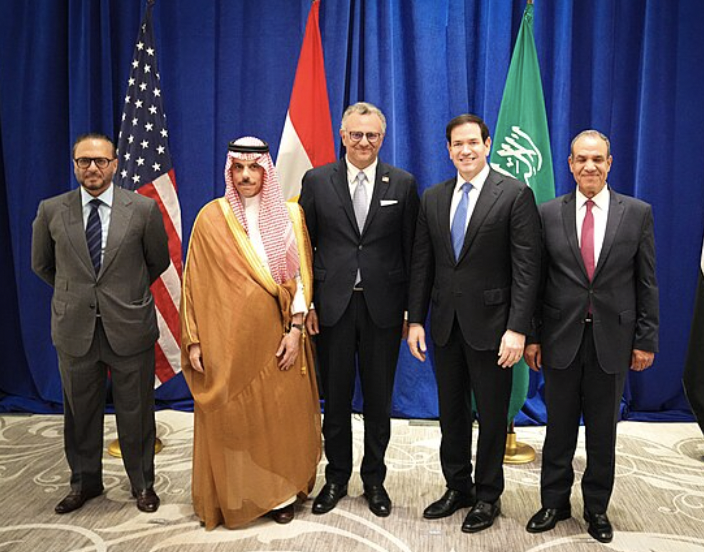
Sudan’s civil war has spiraled into the world’s worst humanitarian crisis, as the UAE and Egypt continue to fuel both sides. The international community turns a blind eye on their undeniable involvement.

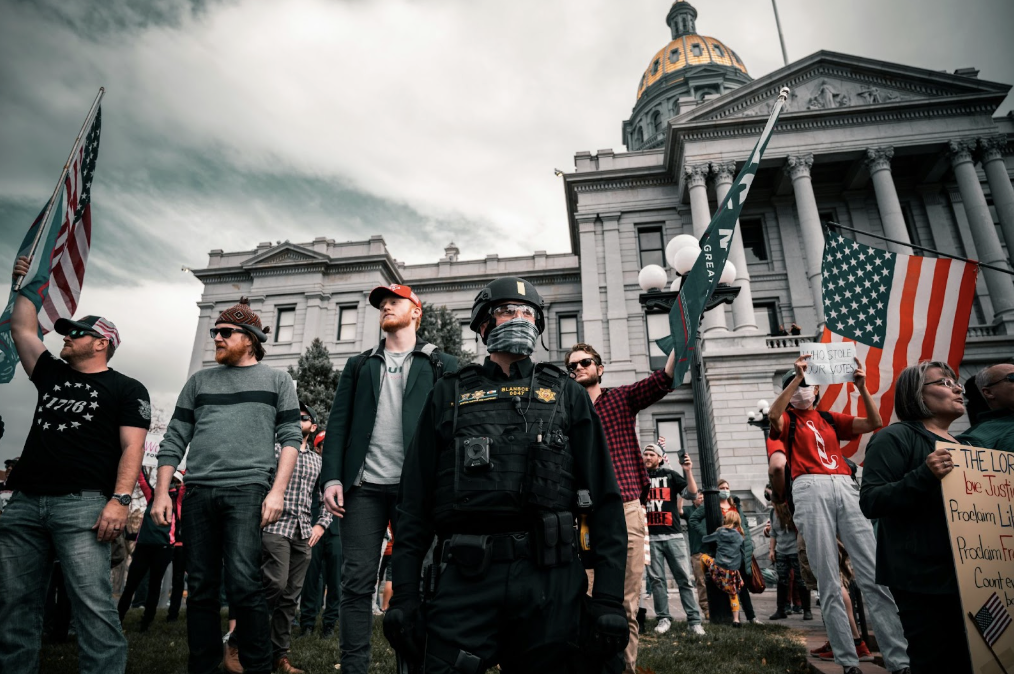
Democratic collapse is not always sudden. While a coup d’état is a clear break, democracies can be subtly dismantled through processes that erode their foundational elements. Citizens often fail to recognize a state’s descent into fascism—a political movement defined by militarism and the suppression of individual rights—until they have lost the democratic power to counter it.

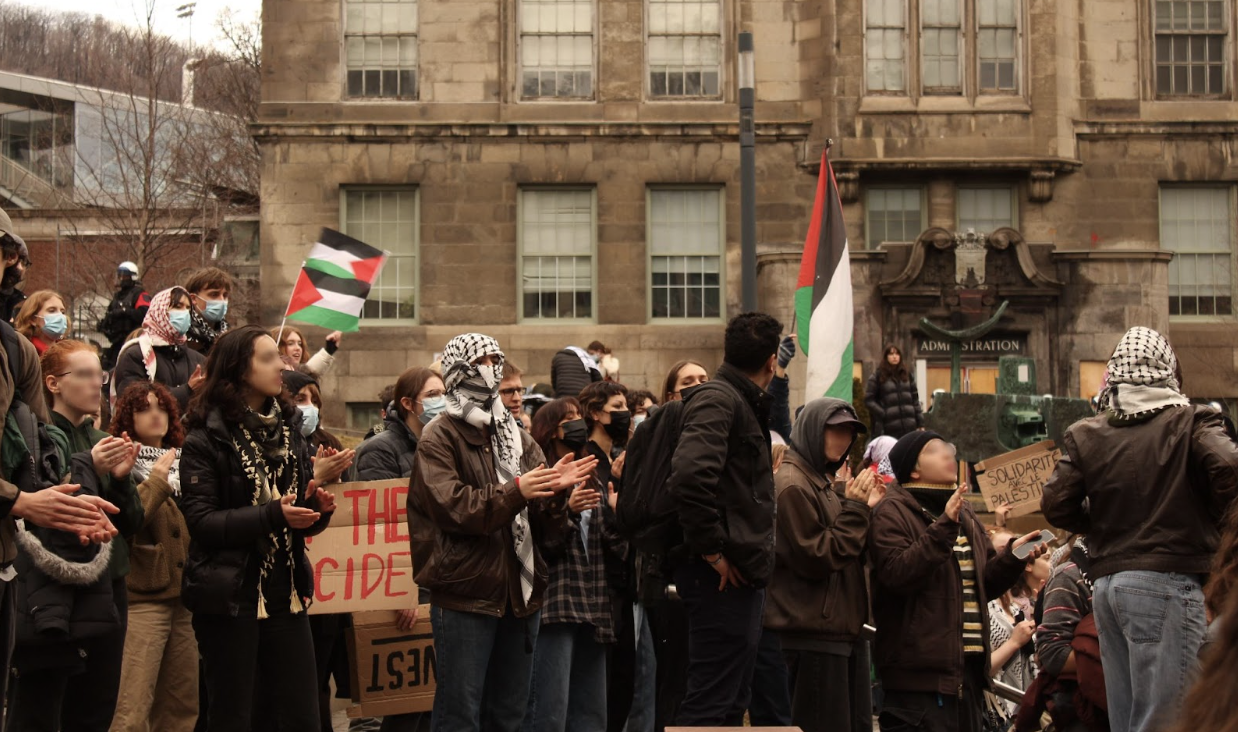
It might seem that the forum for civil discourse has to be neutral for this discourse to occur. In fact, an adherence to neutrality often stifles constructive political discourse. At McGill, administrative appeals to neutrality amid Palestine protests reveal how “civility” and neutrality mask exclusion and suppress dissent. Drawing on theorists Iris Marion Young and Chantal Mouffe, this article argues that true civic/civil discourse demands not politeness but inclusive political communication—an open, sometimes uncomfortable, engagement with difference.

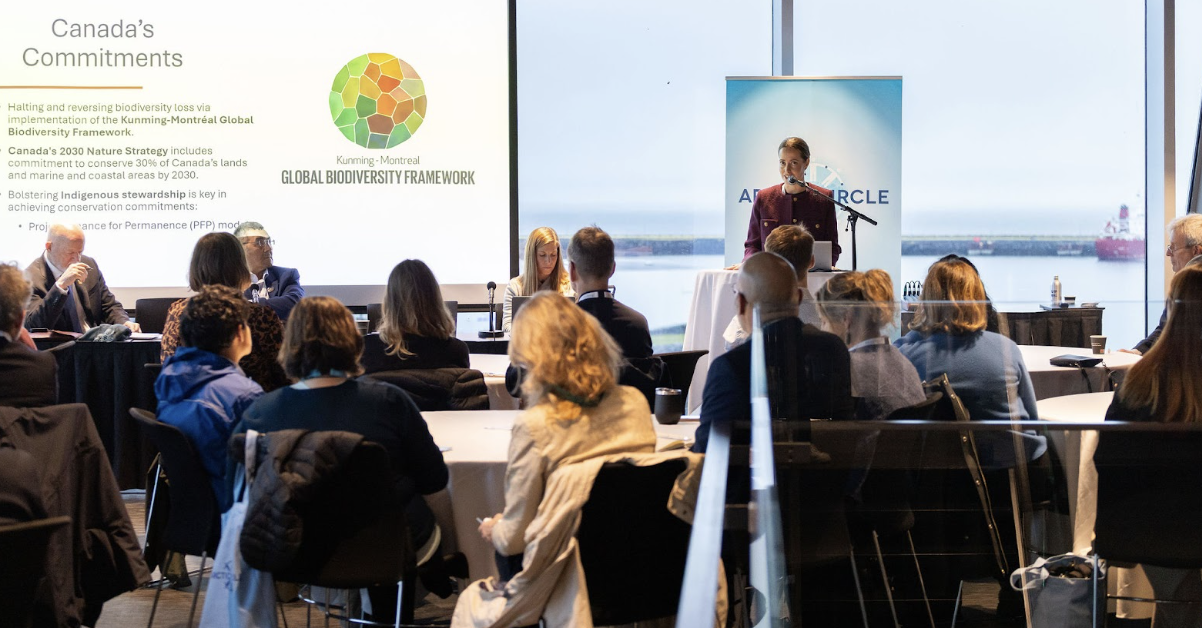
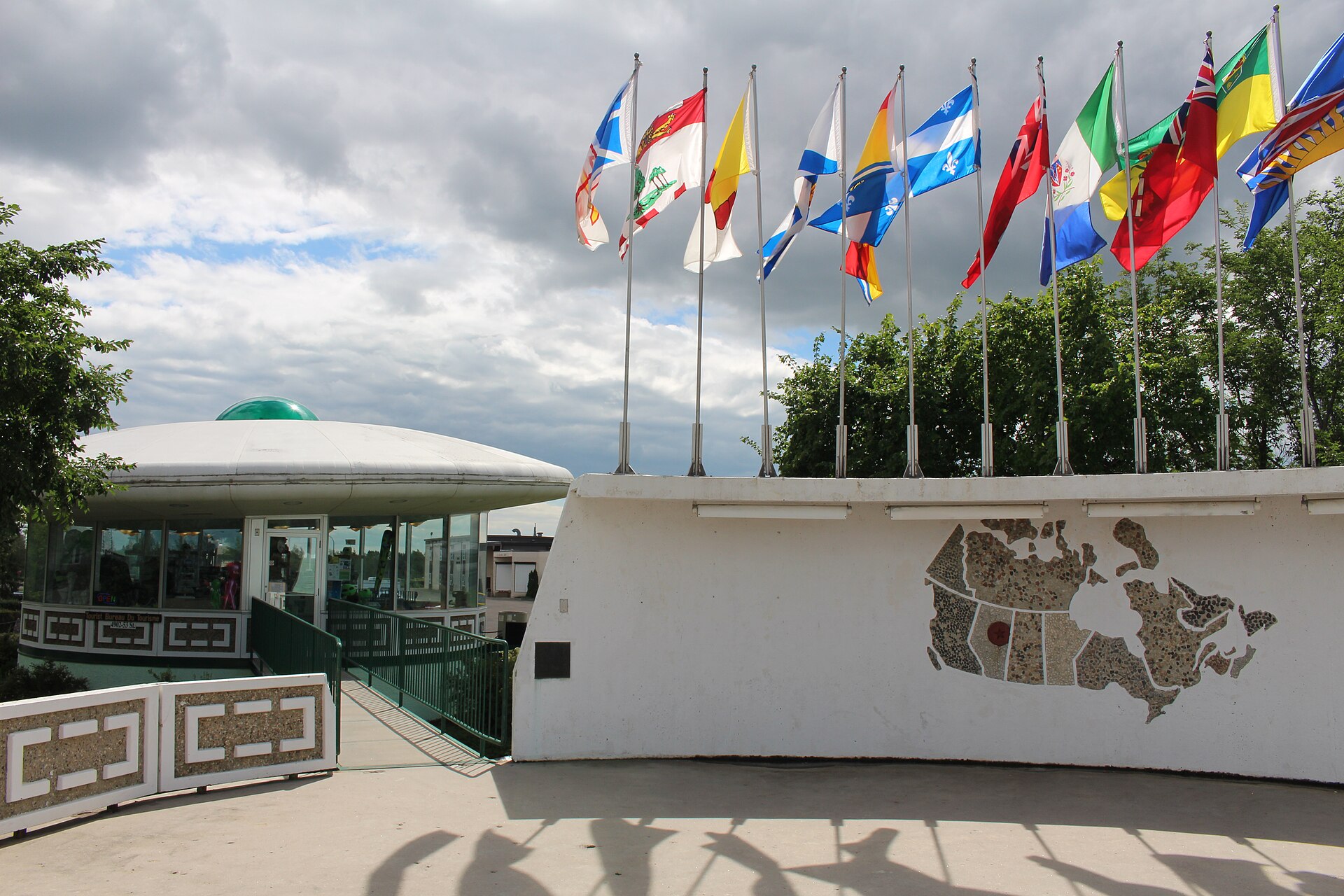
Canada’s claims to Arctic legitimacy depend on Indigenous authority and presence, yet sovereignty remains defined by Ottawa, revealing how reconciliation falters when the North remains governed by the South.

On Friday, October 24, the Pentagon announced the deployment of the USS Gerald R. Ford, one of the United States’ premier aircraft carriers, to the Caribbean Sea. This decision followed a recent uptick in Donald Trump’s battle against drug traffickers and cartels, with the U.S. conducting a series of airstrikes on boats in the Caribbean and pledging to expand operations onto Latin American soil.

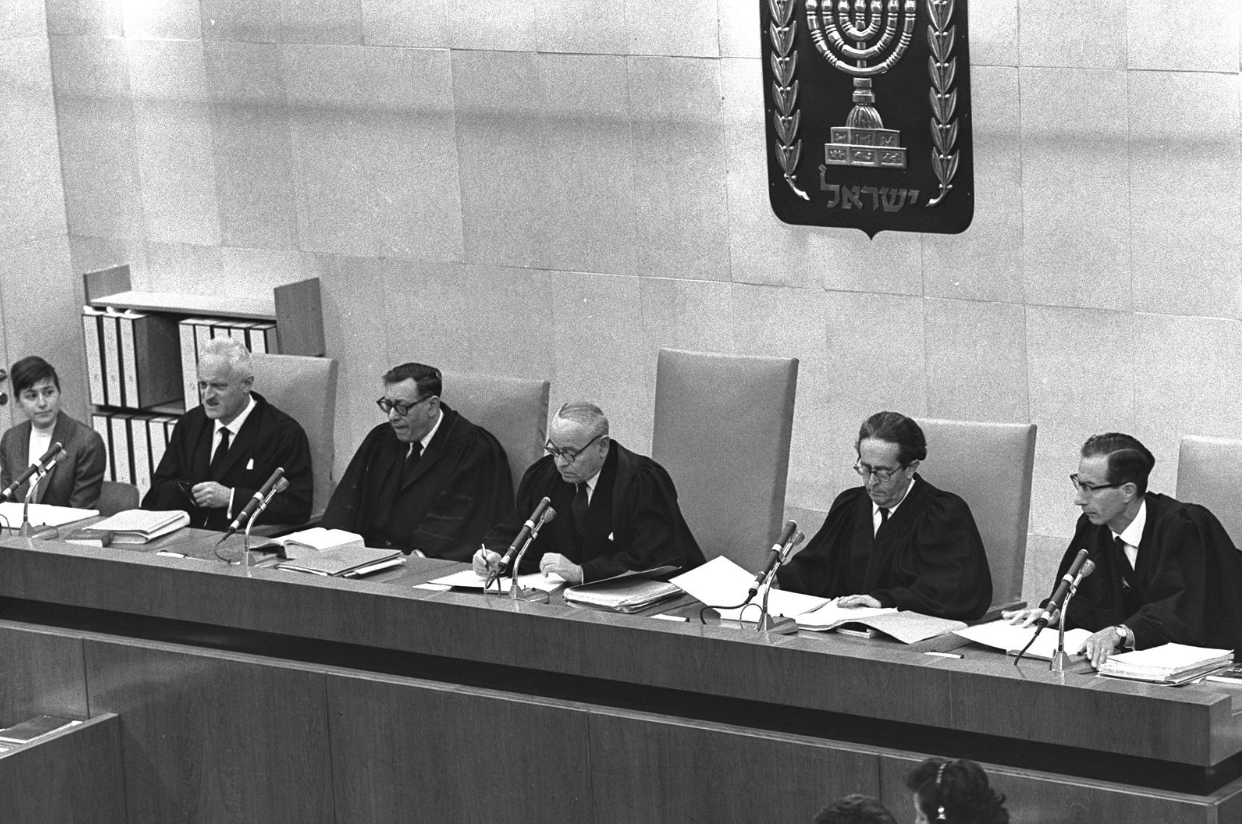
When does publicized justice become theatre? And how does that perpetuate the occurrence of atrocities? This article explores the considerations and limits to justice when it comes to punishing dictators for crimes against humanity.

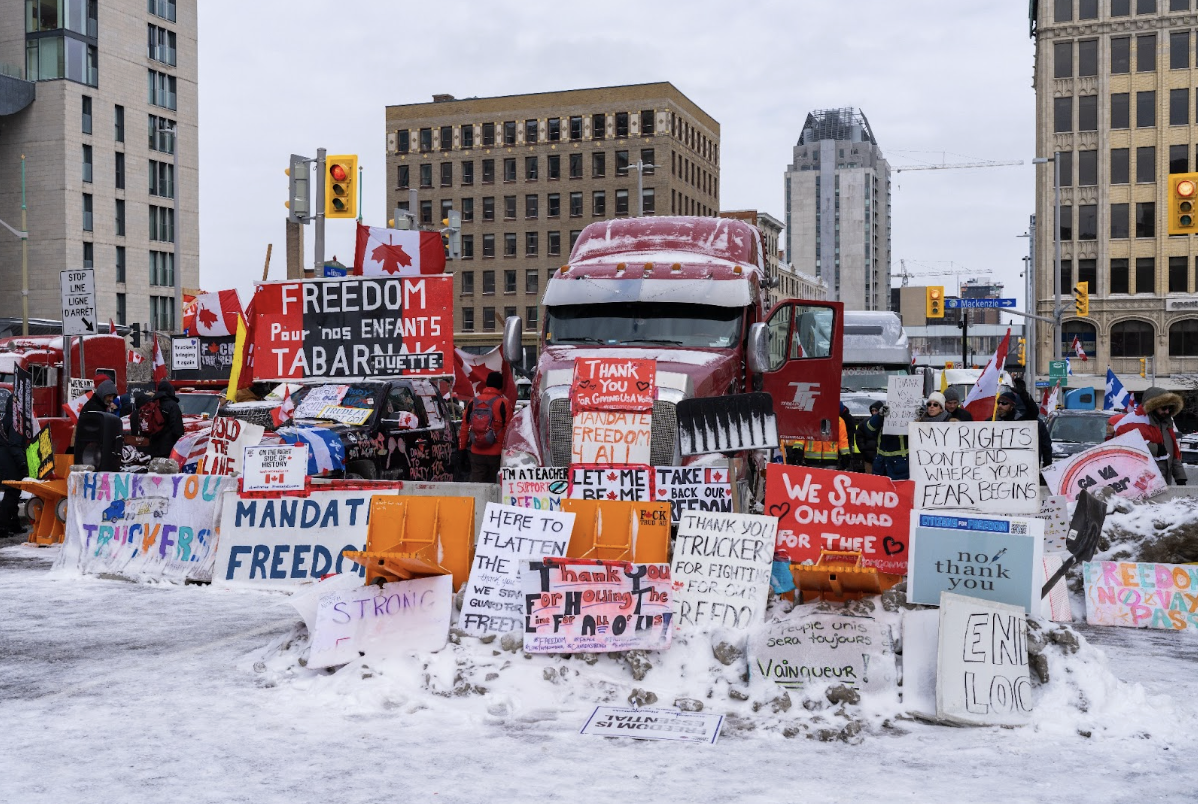
This article will examine the new wave of populism emerging in Canadian politics. It focuses specifically on politician Pierre Poilievre’s previous political campaign, which tapped into Canadian frustration with housing, inflation, and distrust in the Liberal Party following Justin Trudeau’s leadership.

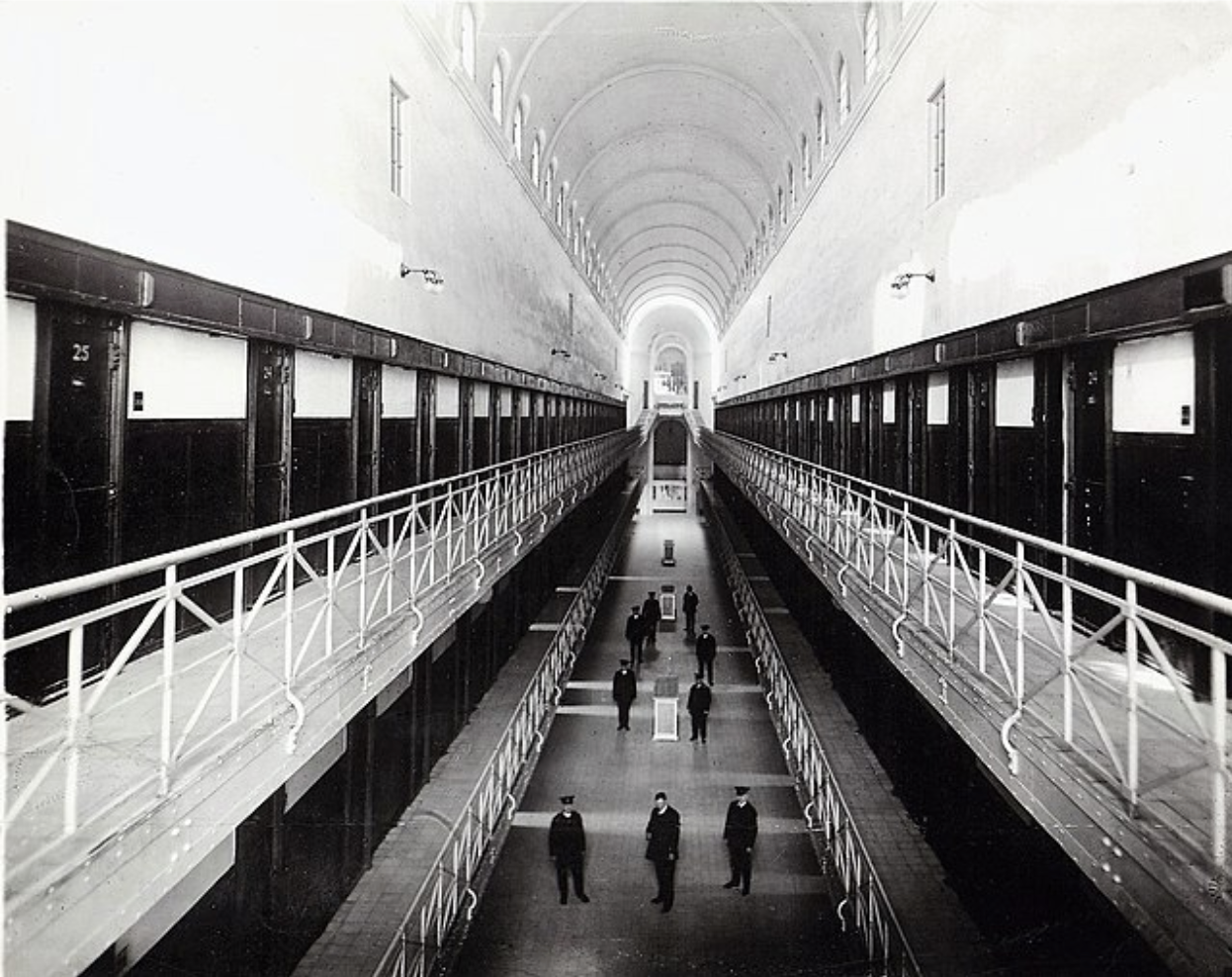
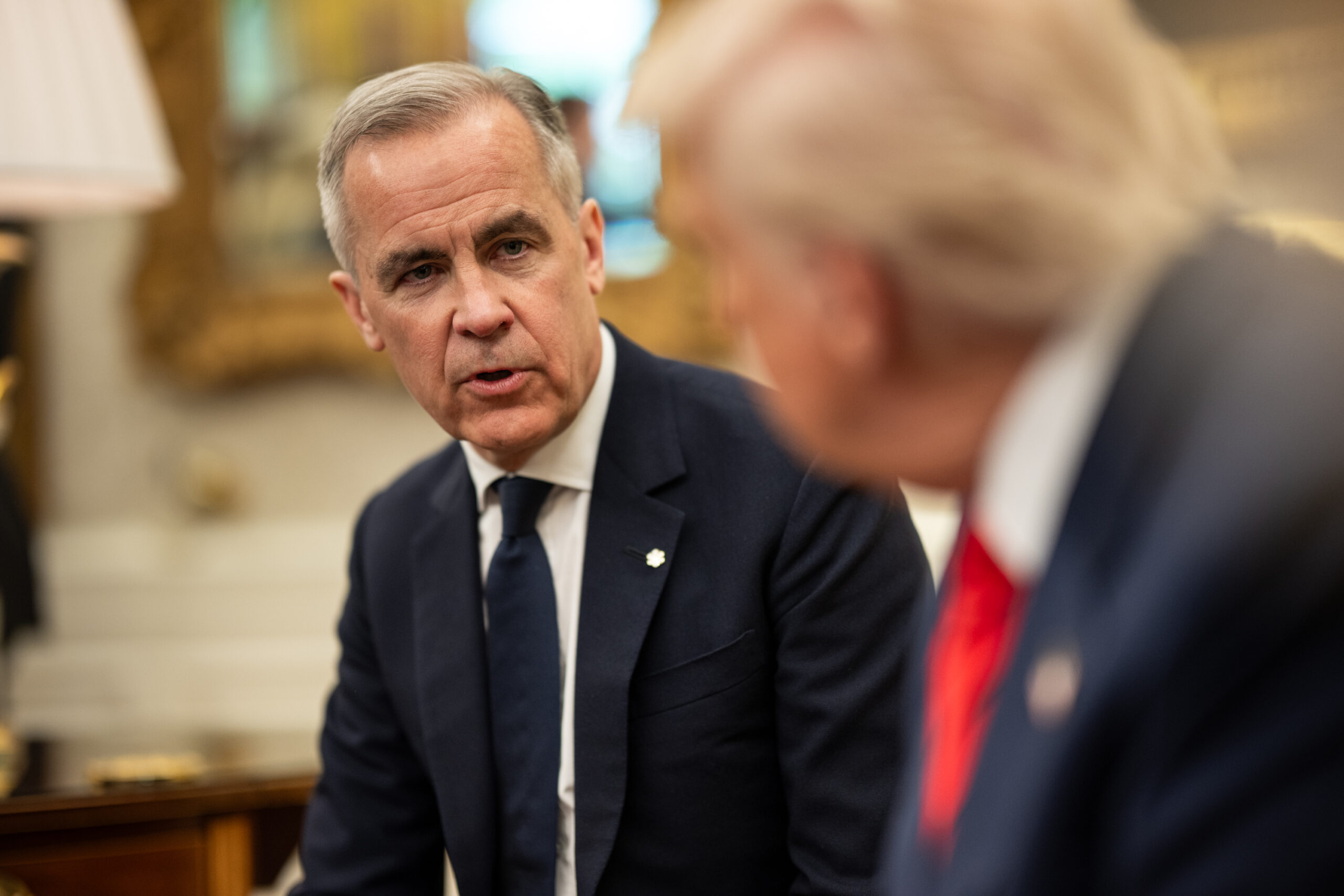
The criminal legislation of Prime Minister Carney’s (Nepean, ON) government intends to bolster the Criminal Code, with a slew of measures. This essay will focus on two key areas, namely: bail reform and consecutive sentencing. In addition, a case study will demonstrate how an old provision tabled by the Harper government aimed to enshrine consecutive sentencing into law, but was struck down by the Supreme Court of Canada. Lastly, this article will aim to explore the possible legal challenges that may arise, most specifically in regards to the presumption of innocence and charter rights, federal-provincial relations, and political as opposed to evidence-based legal justification.